Livestock Intelligence Infrastructure for Data-Driven Operations
Herdwize integrates proprietary sensing hardware, a private farm-level wireless network, and AI-powered behavioral analytics into a single platform — giving producers the data infrastructure to detect, predict, and act before problems become losses.
- Estrus detection with 92% accuracy through behavioral pattern analysis
- Health risk prediction 48-72 hours before visible clinical symptoms
- Private LoRaWAN network with 10 km coverage, zero cellular dependency
- Edge-processed alerts for offline-resilient, low-latency response
- Hardware designed and manufactured in-house for sub-$30 unit cost at scale
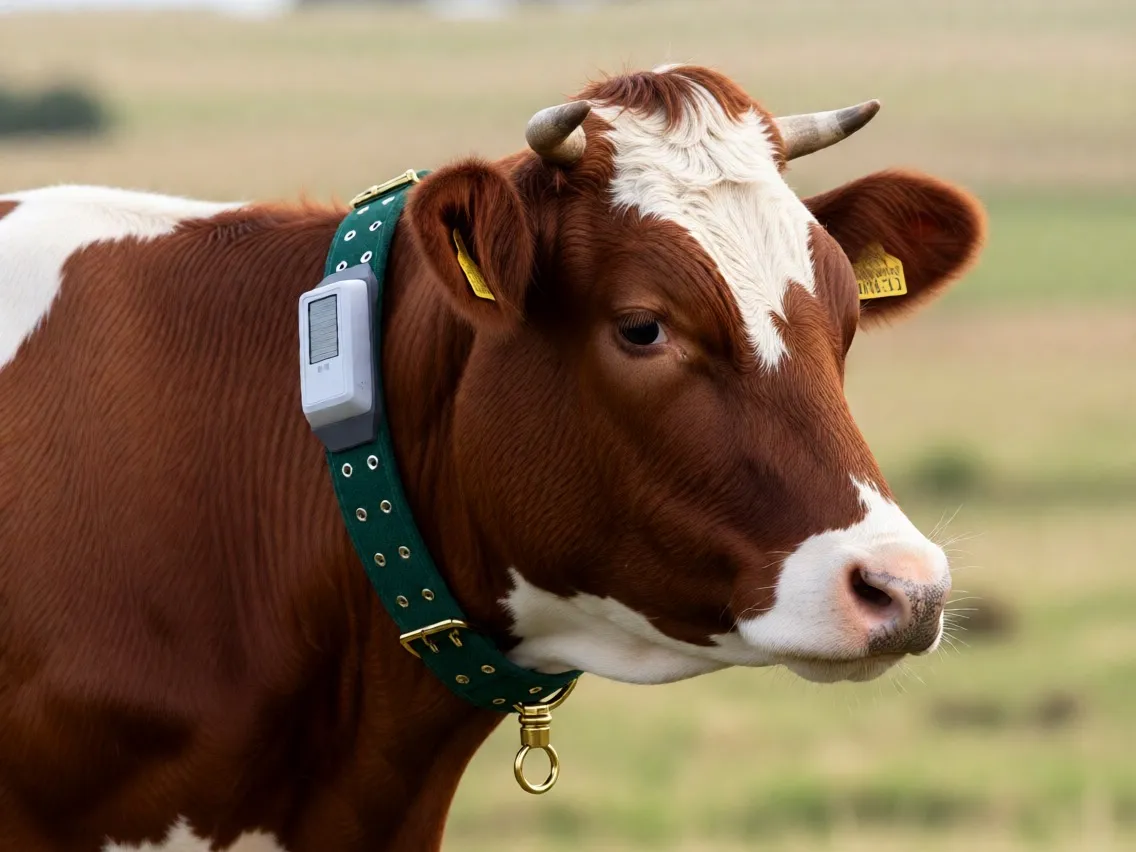

Smart Eartag
5-Year Battery Life
The Cost of Operating Without Intelligence
Traditional herd management relies on visual observation and reactive intervention. The economic impact is significant and measurable.
Missed Estrus Cycles
Each missed estrus event costs $500 or more in extended calving intervals, additional feed, and lost production days. The average detection rate with visual observation alone is 50-60%.
Late Disease Detection
Animals identified through visual symptoms are typically 24-72 hours past the optimal treatment window. Late intervention increases treatment costs by 2.3x and reduces recovery rates.
Manual Monitoring Labor
Producers spend 6+ hours daily on visual herd checks. On operations with 500+ head, this represents a major labor allocation that scales poorly and still misses nocturnal events.
Fragmented Data Systems
Health records, breeding logs, and location data exist in separate systems — or only in the producer's memory. Without unified data, pattern recognition and predictive management are impossible.
Integrated Livestock Intelligence Infrastructure
Five layers working together to transform raw sensor data into actionable operational intelligence.
Smart Sensing
Multi-sensor devices capture temperature, motion, orientation, and ambient data at configurable intervals. Designed for 5+ year field deployment with zero maintenance.
Private Wireless Network
Farm-level LoRaWAN infrastructure provides 10 km coverage with no cellular dependency. Data stays on-premise until explicitly synced to the cloud.
Edge Computing
Gateway-level processing filters noise, runs threshold checks, and generates critical alerts locally — no cloud round-trip required for time-sensitive events.
AI Behavior Engine
Machine learning models trained on multi-species behavioral datasets identify estrus patterns, health anomalies, and activity deviations with continuously improving accuracy.
Operational Dashboard
Web and mobile interfaces surface prioritized alerts, trend analytics, and herd-level performance metrics. Designed for field use, not lab conditions.
Core Capabilities
Each capability is powered by multi-sensor fusion and validated against field data from active deployments.
Estrus Detection
Automated heat detection through behavioral pattern analysis
The platform analyzes activity spikes, mounting behavior patterns, and temperature fluctuations to identify estrus events with 92% accuracy. Alerts are delivered 6-12 hours before standing heat, giving producers an optimal AI window. Reduces reliance on visual observation and eliminates missed nocturnal estrus events.
Health Risk Prediction
Early warning for illness 48-72 hours before clinical symptoms
Continuous temperature monitoring combined with activity pattern analysis detects subtle deviations from baseline behavior. The system flags animals showing early indicators of BRD, mastitis, lameness, and metabolic disorders — typically 2-3 days before symptoms are visible to human observers.
Activity Analysis
Rumination, feeding, and rest pattern monitoring at individual level
Three-axis accelerometer data is processed to classify animal behavior into rumination, feeding, walking, resting, and social interaction states. Deviations from individual baselines trigger graduated alerts, enabling producers to identify problems at the earliest behavioral stage.
Location Intelligence
GPS tracking with geofencing and movement history
The GPS Collar provides meter-level position accuracy with configurable reporting intervals. Geofencing boundaries generate instant breach alerts. Movement history analysis identifies grazing patterns, water source usage, and herd social dynamics.
Farm-Wide Network Coverage
Private LoRaWAN infrastructure with 10 km range per gateway
Purpose-built LoRaWAN gateways create a dedicated farm network independent of cellular coverage. Multiple gateways support mesh topology for terrain-challenged properties. The network handles thousands of devices simultaneously with minimal power consumption per sensor node.
Platform Architecture
From sensor to decision — how data flows through the Herdwize infrastructure.
Sensor Layer
Smart Eartags, GPS Collars, and LED Location Tags collect temperature, motion, orientation, GPS, and ambient data at configurable intervals.
Network Layer
Private LoRaWAN gateways aggregate sensor data across the farm. 10 km coverage per gateway, mesh topology support, zero cellular dependency.
Edge Layer
On-gateway processing performs threshold checks, data filtering, and critical alert generation. Operates independently during cloud connectivity loss.
AI Layer
Cloud-hosted ML models analyze behavioral patterns across the herd. Estrus prediction, health risk scoring, and anomaly detection run on aggregated datasets.
Application Layer
Web dashboard and mobile app deliver prioritized alerts, trend visualization, individual animal histories, and herd-level performance reports.
Sensor Layer
Smart Eartags, GPS Collars, and LED Location Tags collect temperature, motion, orientation, GPS, and ambient data at configurable intervals.
Network Layer
Private LoRaWAN gateways aggregate sensor data across the farm. 10 km coverage per gateway, mesh topology support, zero cellular dependency.
Edge Layer
On-gateway processing performs threshold checks, data filtering, and critical alert generation. Operates independently during cloud connectivity loss.
AI Layer
Cloud-hosted ML models analyze behavioral patterns across the herd. Estrus prediction, health risk scoring, and anomaly detection run on aggregated datasets.
Application Layer
Web dashboard and mobile app deliver prioritized alerts, trend visualization, individual animal histories, and herd-level performance reports.
Measurable Return on Investment
The economics of intelligent livestock management, validated against field deployment data.
Through automated estrus detection and optimal insemination timing.
Early health risk prediction enables intervention before conditions worsen.
Automated alerts replace routine visual observation labor.
On herds of 200+ head with active breeding programs.
Platform Capabilities
Currently deploying with pilot partners across Western Canada. Performance metrics validated through active field deployments — see our case studies for detailed results.
View Deployment Case Studies →Ready to Deploy Livestock Intelligence?
Schedule a platform briefing to discuss deployment scope, infrastructure requirements, and expected ROI for your operation.