Case studies
Deployment Case Studies
Real-world results from Herdwize pilot deployments across Canadian livestock operations. All data is from actual field deployments with details anonymized to protect producer privacy.
Operation names and exact locations are anonymized. All metrics are from actual Herdwize pilot deployment data collected during 2025-2026.
Case studies · 01
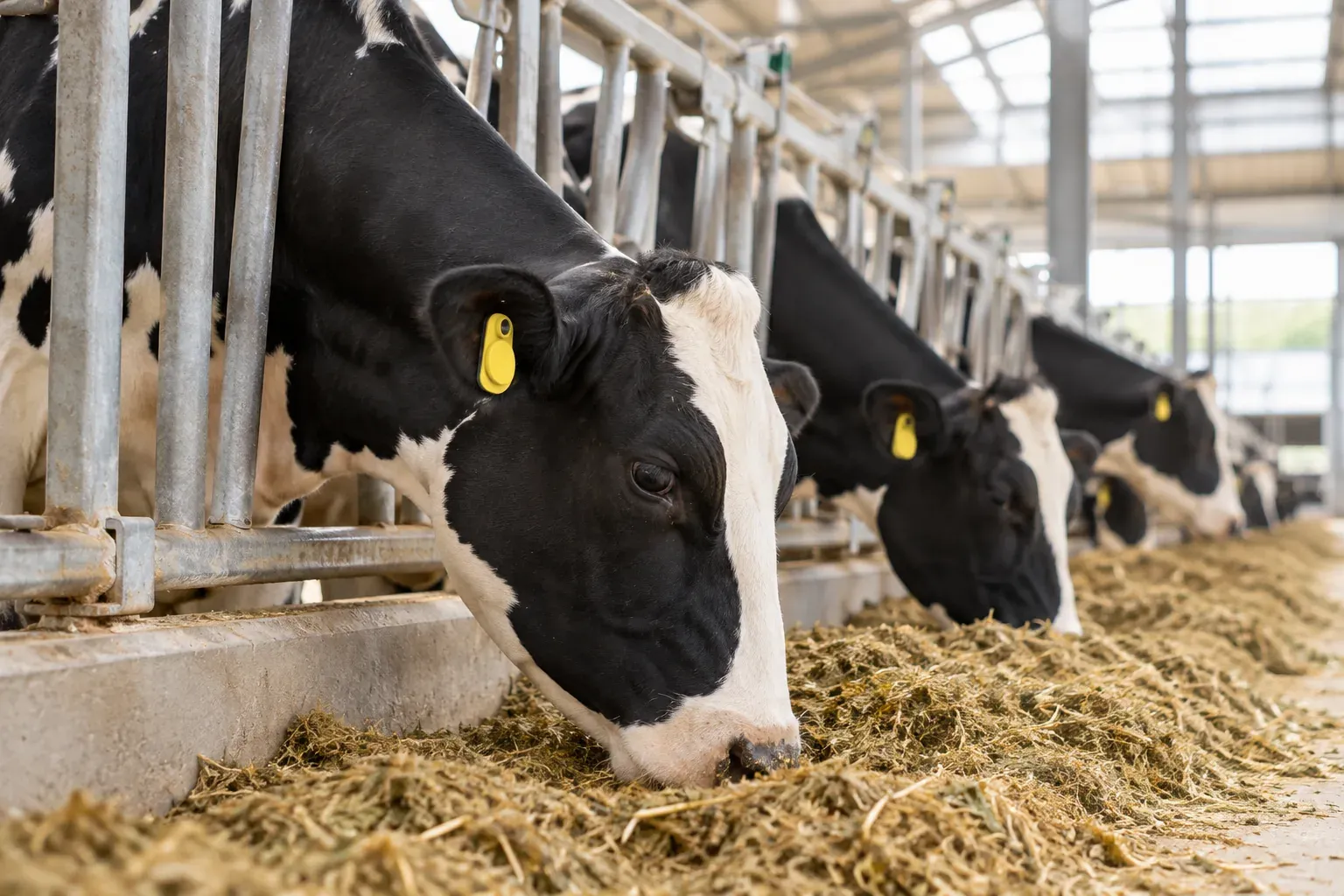
200-Head Dairy Operation — Southern Alberta
A mid-size dairy operation near Lethbridge, AB deployed Herdwize Smart Eartags across their milking herd to address chronic estrus detection challenges. The operation was relying on visual observation with a 55% detection rate, resulting in extended calving intervals averaging 14.2 months.
We were skeptical about another monitoring system, but the first time we got an estrus alert on a cow we'd been missing for three cycles, we were convinced. The system paid for itself in the first month.
Results After 90 Days
Case studies · 02
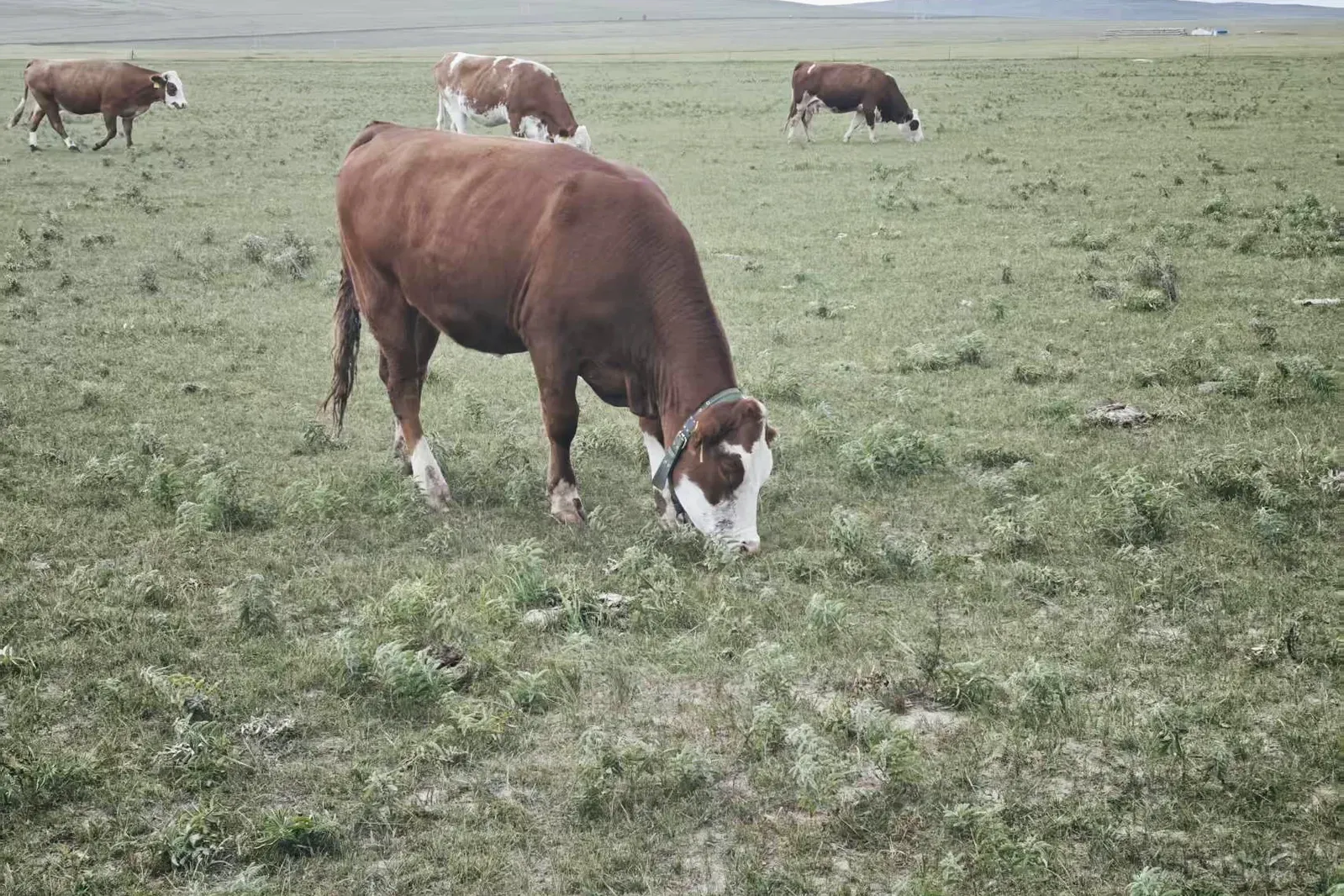
800-Head Beef Operation — Central Saskatchewan
A cow-calf operation in the Saskatoon area deployed Herdwize across a portion of their herd to evaluate BRD early detection and GPS tracking for remote pasture management. The operation manages cattle across three separate pastures totaling 4,800 acres with limited cellular coverage.
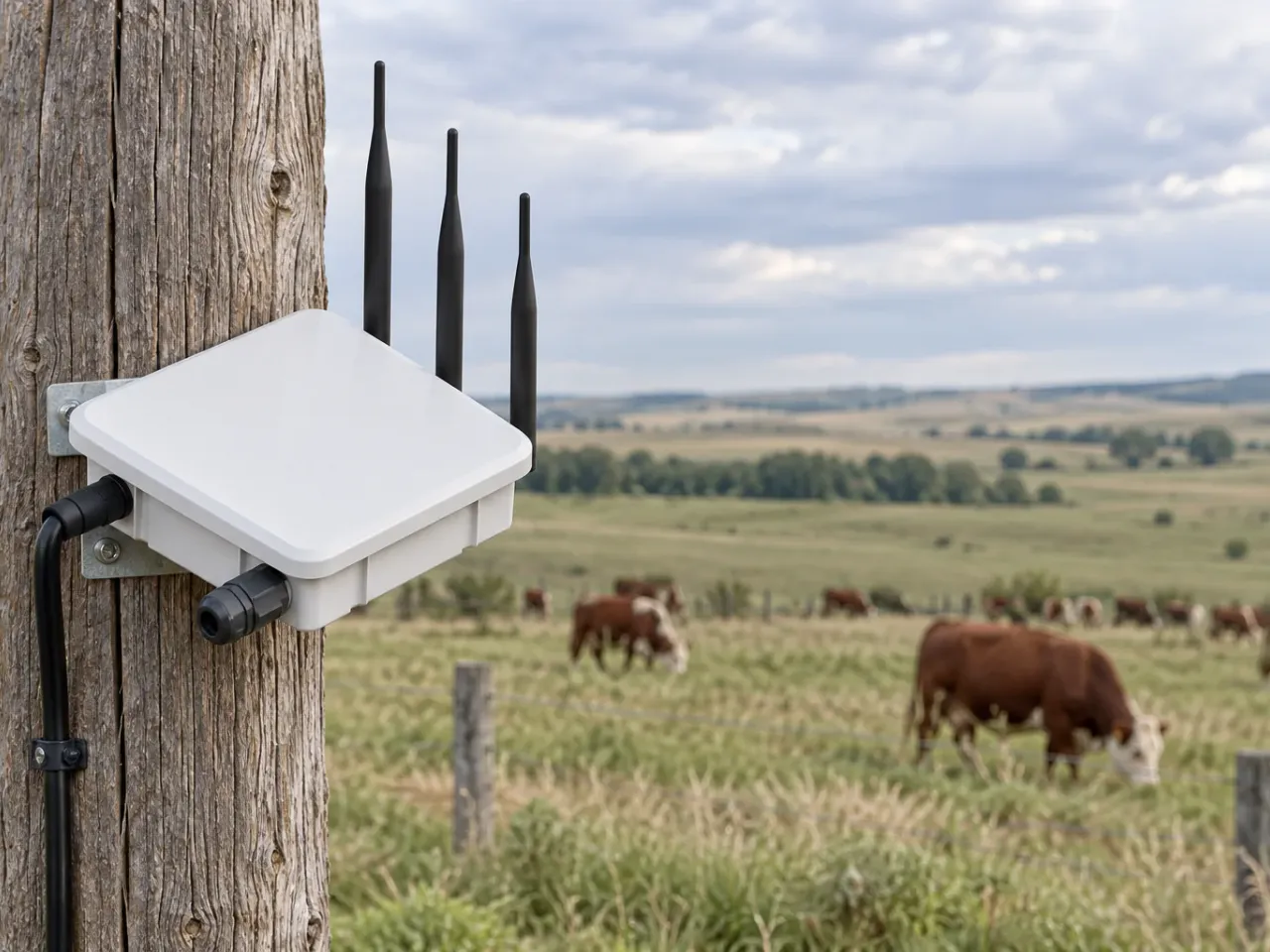
The private LoRa network was the game-changer for us. We have zero cell service in two of our three pastures, and the system works perfectly. Getting a health alert on my phone for a steer 12 km away was something I never thought possible.
Results After 120 Days
Data Collection Methodology
All case study data was collected through the Herdwize platform during active pilot deployments. Health detection accuracy was validated by comparing platform alerts against subsequent veterinary examinations. Estrus detection was confirmed through breeding records and pregnancy check results. Labor savings were self-reported by producers based on before/after time tracking.
- Platform alerts compared against veterinary clinical examinations
- Estrus detection validated via breeding records and pregnancy confirmation
- Labor savings based on producer time-tracking before and after deployment
- Network uptime measured by gateway telemetry logs
Ready to Deploy Livestock Intelligence?
Schedule a platform briefing to discuss deployment scope, infrastructure requirements, and expected ROI for your operation.