Platform and API
The Herdwize Platform
A vertically integrated livestock intelligence platform — from the sensor on the animal to the alert on your phone. Self-developed hardware, private network infrastructure, and AI-powered analytics working as a single system.

- ear-tag temperature accuracy
- ±0.1 °C
- GPS accuracy on GC09 and GC010
- 1–2.5 m
- private LoRa radius per gateway
- 5 km
- per-device data plans on LoRa
- $0
One stack
Data Network Architecture
Built on private LoRa for long-range, low-power farm connectivity.
- 01
Sensors
Ear tags, GPS collars, water and soil sensors.
- 02
Private network
One LoRa gateway covers 5 km. No SIMs, no carrier.
- 03
Cloud platform
Baselines, alerts and maps for every farm you run.
- 04
Open API
REST and webhooks into the software your customers use.
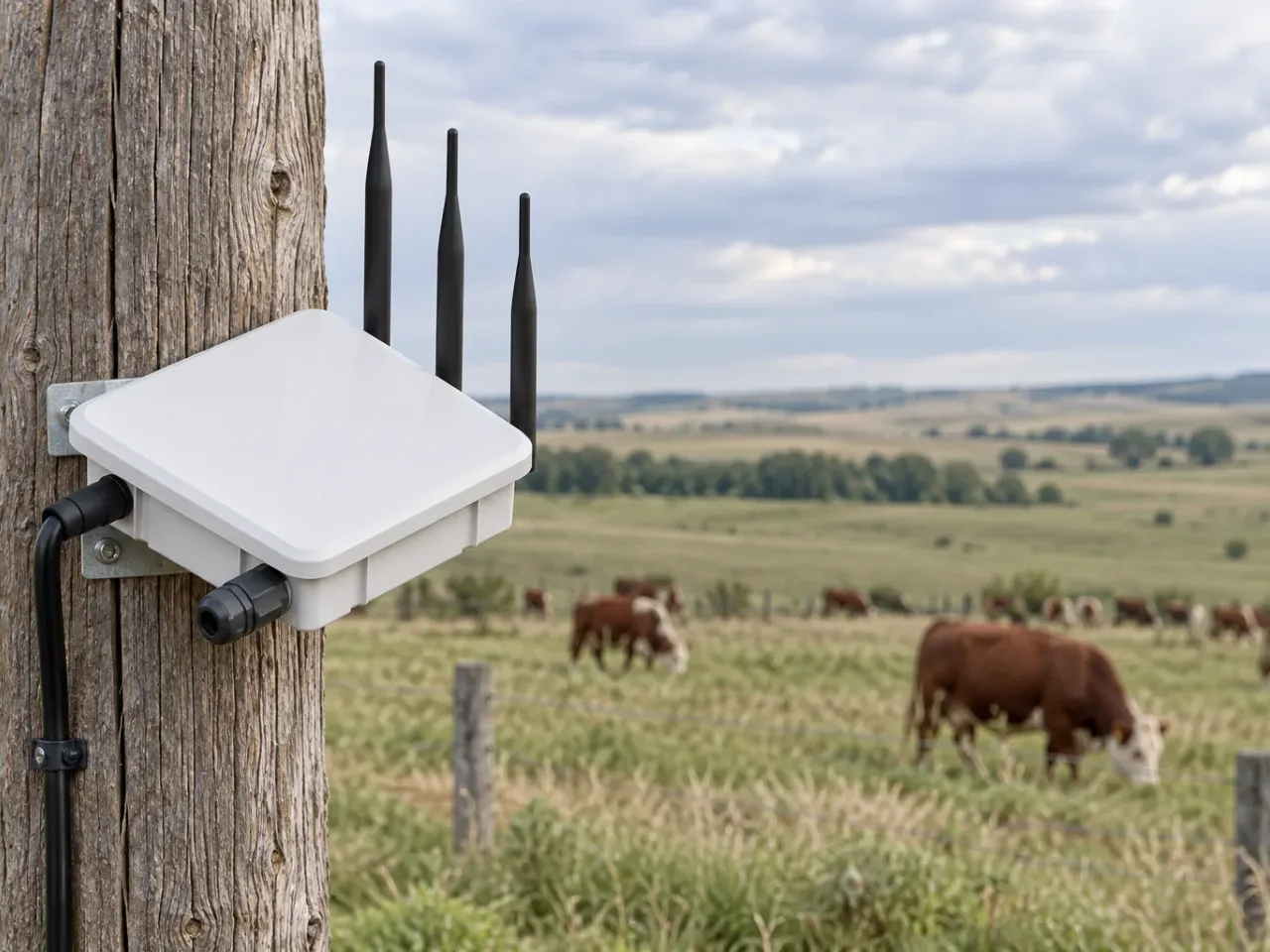
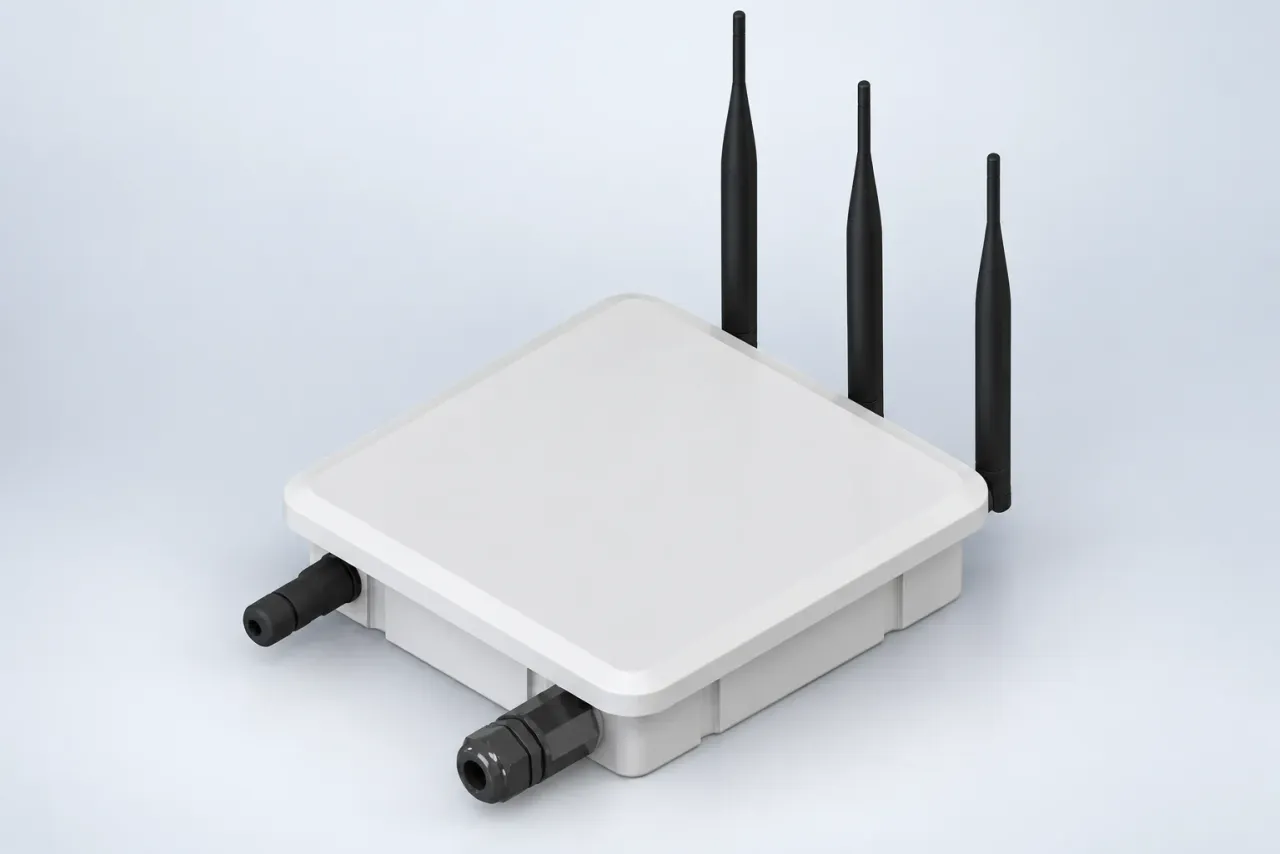
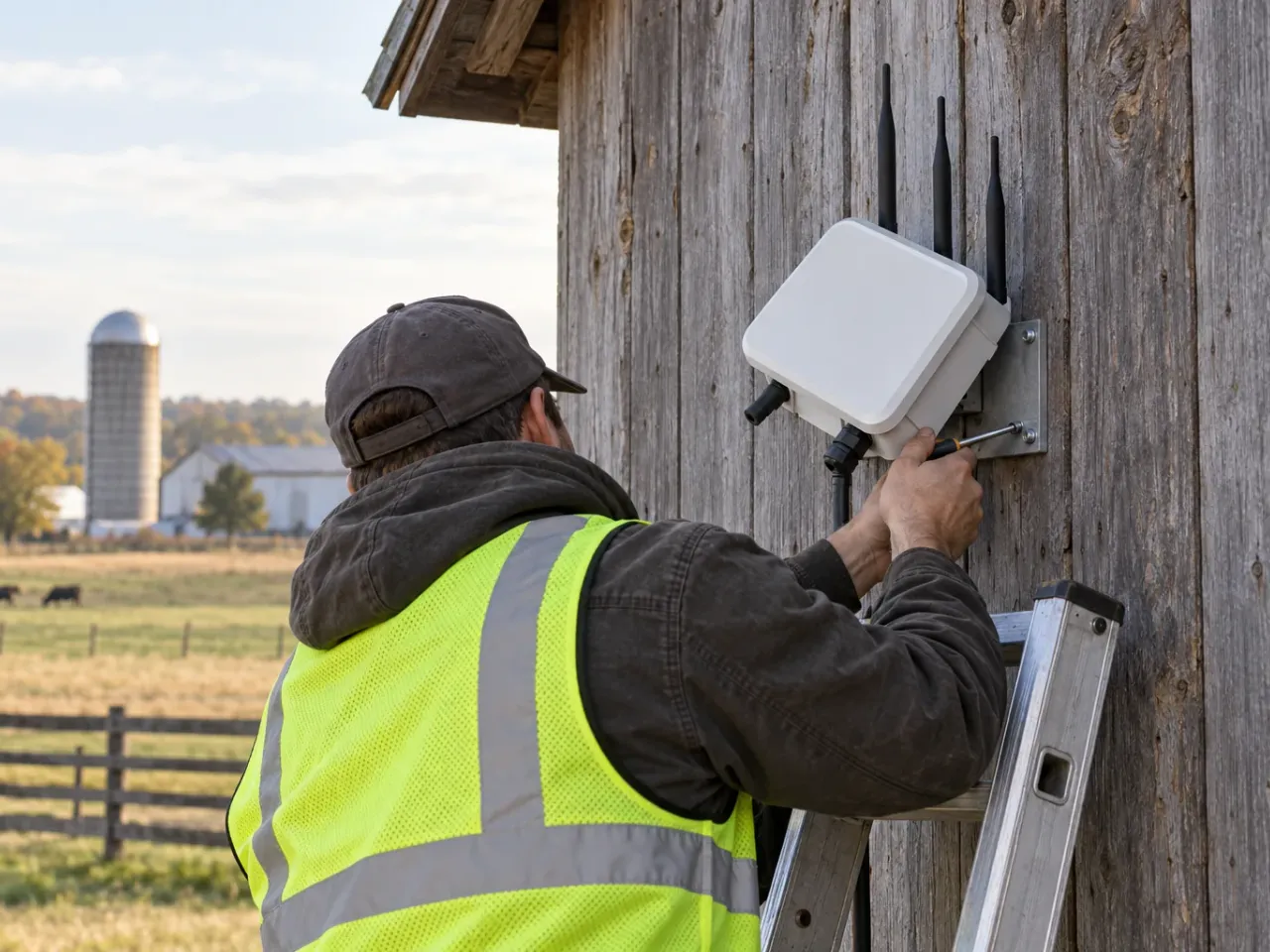
Each Herdwize LoRa gateway covers a 5 km radius in open areas using a private LoRa protocol. Hills, tree lines, and buildings reduce range, so larger or hilly properties add gateways on high ground. The network operates independently of cellular coverage — collar and sensor data is aggregated and filtered at the gateway, then forwarded to the cloud over a wired Ethernet connection.
- 5 km radius per gateway in open areas; hills, trees, and buildings reduce range
- Each gateway serves the collars and sensors within its range; add gateways as the operation grows
- Star topology: every device reports directly to a gateway
- Data encrypted from device to cloud
- Wired Ethernet backhaul and an IP66 weatherproof gateway enclosure
Data Pipeline: From Sensor to Insight
How raw sensor data becomes actionable intelligence.
Every data point from every sensor passes through a multi-stage processing pipeline before it reaches the producer's dashboard. Understanding this pipeline is important because it explains why Herdwize's alerts are more accurate than simple threshold-based systems.
Stage 1: Raw Data Ingestion
Ear tags, collars, and farm sensors send encrypted readings through the Herdwize gateway; 4G collar models report directly over the cellular network. Ear tags report body temperature and step counts, and GPS collars add location every 1–30 minutes, depending on model.
Stage 2: Edge Processing
The gateway runs real-time signal processing — noise filtering, calibration correction, and activity analysis. Time-critical alerts (temperature thresholds, geofence breaches) are generated here with sub-30-second latency.
Stage 3: Cloud Analytics
Processed data syncs to the cloud for ML inference. The AI engine compares current patterns against individual baselines and herd-level norms. Health risk scores, estrus probability scores, and trend analyses are computed here.
Stage 4: Alert Generation & Delivery
When computed scores exceed configured thresholds, alerts are generated and delivered through the producer's preferred channels. Each alert includes context — what triggered it, how confident the system is, and recommended actions.
Edge AI Inference
Processing closer to the animal, not in a distant data center.
Gateway-level ML inference handles time-critical pattern recognition without cloud round-trips. Activity analysis, threshold monitoring, and anomaly scoring happen at the edge. The cloud handles model training, cross-herd analysis, and long-term trend computation — tasks that benefit from large datasets rather than low latency.
Web Dashboard & Mobile Alerts
Your herd data, accessible anywhere.
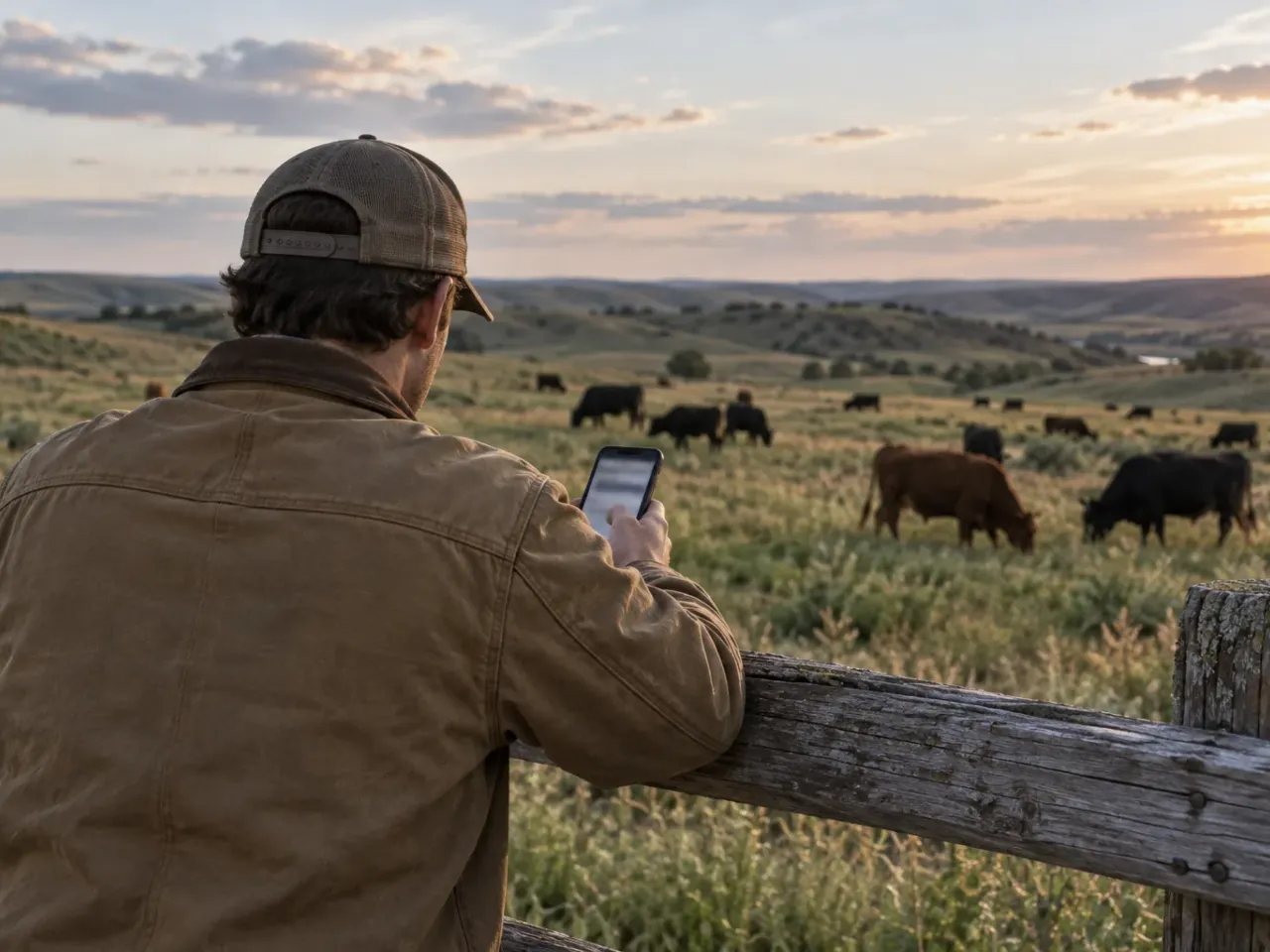
The Herdwize dashboard is a responsive web application accessible from any device — desktop, tablet, or phone. It presents real-time herd status, historical trends, and actionable alerts in a clean, fast interface designed for producers who need answers, not complexity.
Real-time herd overview with color-coded health and activity status
Individual animal detail pages with complete history timeline
GPS map view with satellite imagery overlay and geofence visualization
Alert queue with priority filtering, assignment, and acknowledgment tracking
Push notifications, SMS, and email alert channels — configurable per alert type
Scheduled reports: daily herd summary, weekly breeding report, monthly health analysis
Offline-Resilient Operations
Critical alerts work without cloud connectivity.
- Local alert generation for critical events
- Private LoRa network runs without cellular coverage
- Automatic sync and backfill on reconnection
- SMS alert fallback when app connectivity is unavailable
The Herdwize platform is designed for the reality of rural infrastructure. Edge processing at the gateway level ensures that temperature threshold alerts, geofence breaches, and critical health flags are generated and delivered locally — even during cloud connectivity loss. Data is buffered and synced automatically when connectivity returns.
Low-Power, Long-Life Hardware
Deploy and forget for years, not months.
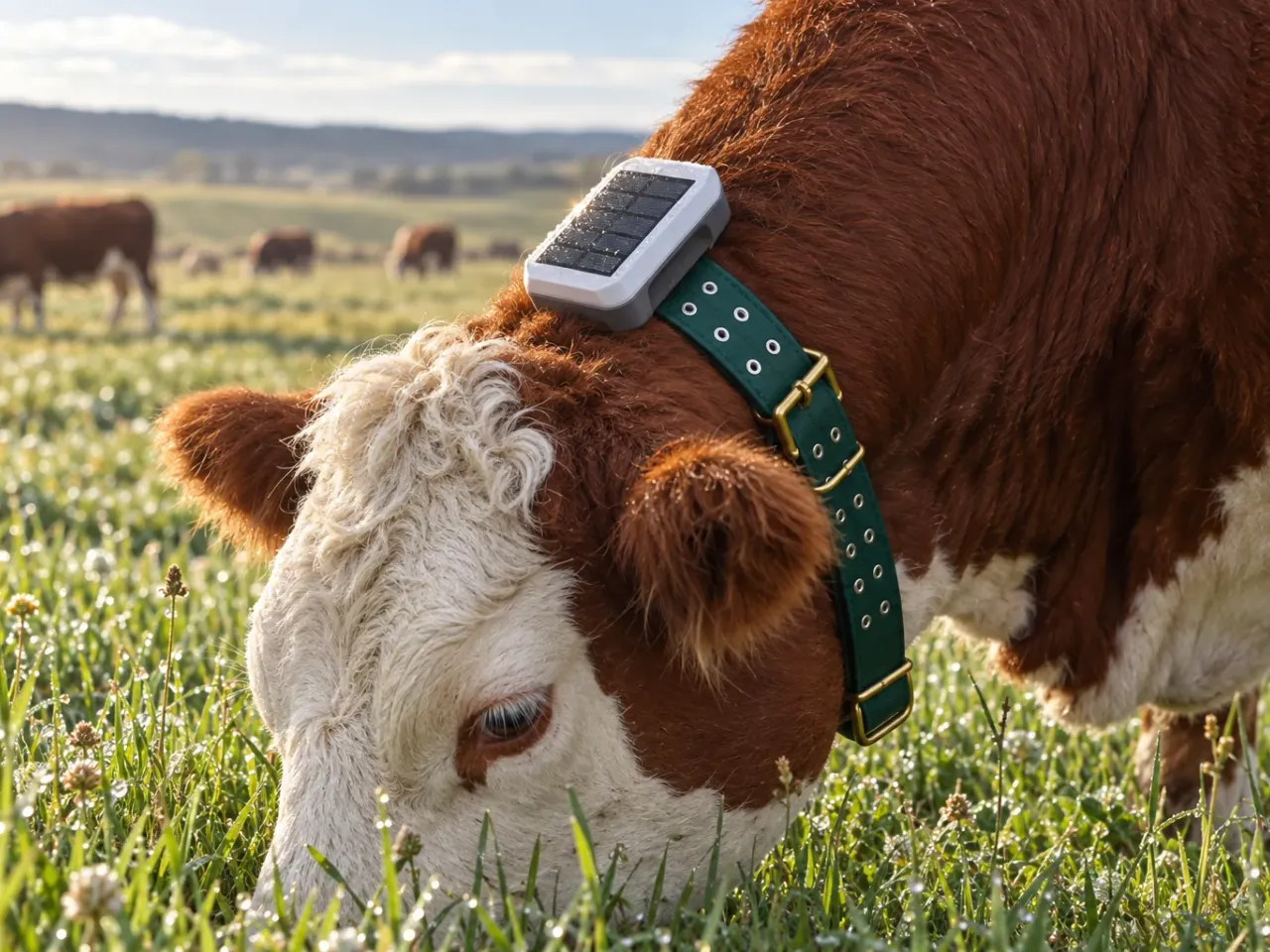
- Smart Eartag: 2–4 year battery life (sealed button cell), no replacement while on the animal
- GPS Collar: solar-powered, 5-year service life, runs continuously with ≥ 4 h of daily sunlight
- IP67 tags, collars, and sensors; IP66 gateway
- Water-level and soil sensors: 5-year battery life
Every Herdwize device is designed for long field deployment with minimal maintenance. The Smart Eartag runs 2–4 years on a sealed button cell, sized so the battery never needs replacing while the tag is on the animal. GPS collars are solar-powered with a 5-year service life and run continuously with at least 4 hours of daily sunlight. Ear tags, collars, and farm sensors are rated IP67 for complete dust and water resistance in extreme field conditions.
Open data, your way.
API & Third-Party Integration
Herdwize provides a RESTful API for customers who want to integrate livestock intelligence data into their existing management systems, accounting software, or custom applications.
- RESTful API with OAuth 2.0 authentication
- Endpoints for animal data, alerts, health scores, breeding events, and location history
- Webhook support for real-time event streaming to external systems
- Data export in CSV, JSON, and PDF formats
- Compatible with DairyComp, PCDart, CattleMax, and other common herd management platforms
- API documentation and sandbox environment for development and testing
GET /v1/animals/214/alerts
200 OK
{
  "type": "fever_risk",
  "delta_c": 1.2,
  "gateway": "GW-02"
}
Example webhook payload
POST /webhooks/herdwize
{
  "event": "temperature.alert",
  "animal": "TAG-0214",
  "temp_c": 40.1,
  "baseline_c": 38.9
}
Herdwize vs. Traditional Monitoring Approaches
| Feature | Traditional | Herdwize |
|---|---|---|
| Estrus detection accuracy | 50-60% (visual) | 92% (multi-sensor AI) |
| Health alert lead time | 0 hours (visible symptoms) | 24-72 hours before clinical signs |
| Monitoring coverage | Working hours only | 24/7 continuous |
| Internet dependency | N/A (manual) | Works offline (private LoRa network) |
| Data per animal | Manual notes | Automated continuous record |
| Upfront cost | $50K-$150K (500 head) | $0 (subscription model) |
| Maintenance | Producer responsibility | Included in subscription |
Platform Subscription
Hardware + software + connectivity as a unified service.
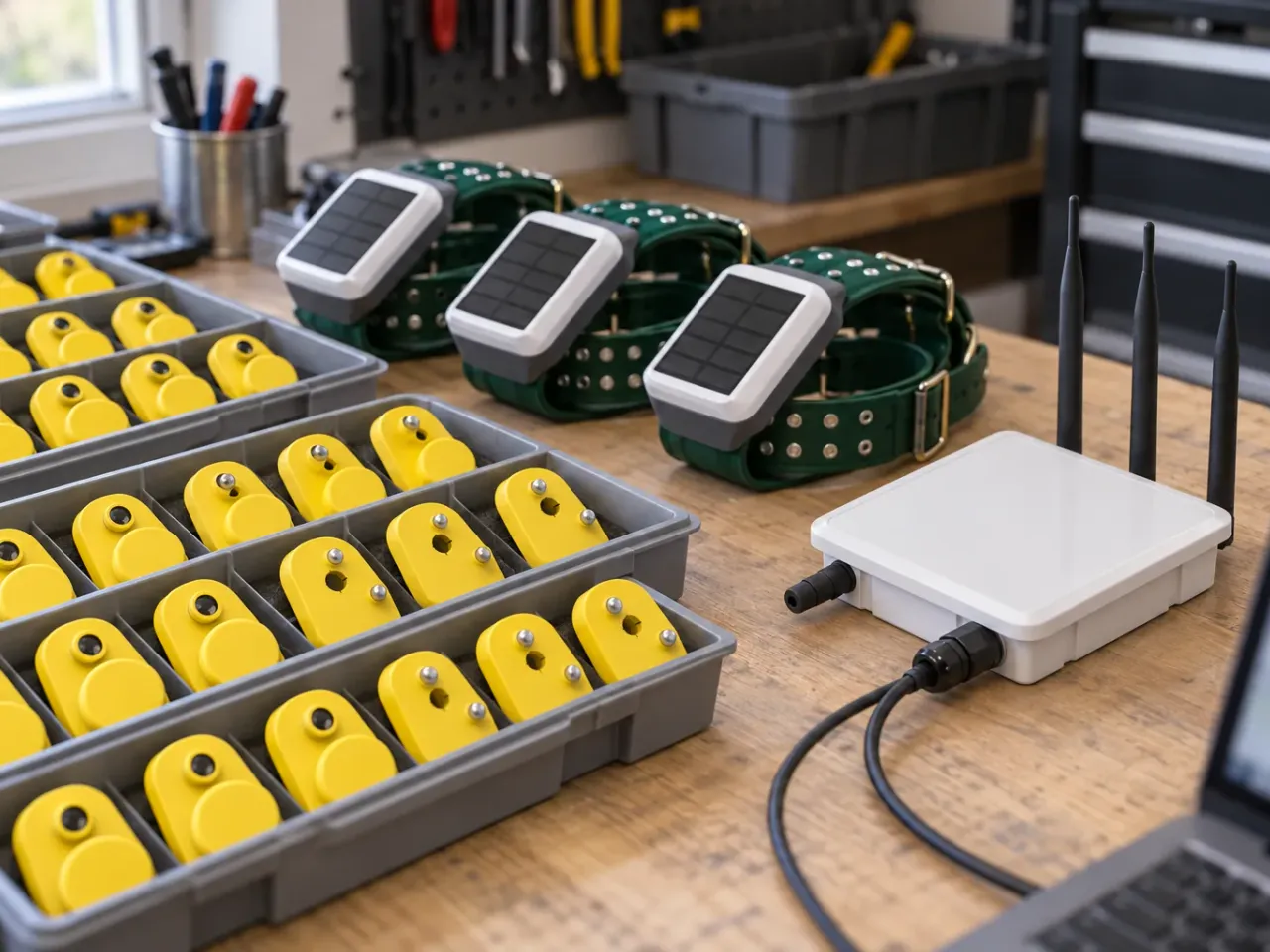
- Per-animal monthly pricing, no upfront hardware cost
- Includes all hardware, network, cloud, and app access
- Volume discounts above 500 head
- Quarterly firmware updates included
- Hardware replacement warranty included
Herdwize operates on a per-animal monthly subscription model that includes hardware lease, network infrastructure, cloud analytics, mobile app access, and ongoing firmware updates. No large upfront hardware CAPEX. Pricing scales with herd size, with volume discounts for operations above 500 head.
Ready to Deploy Livestock Intelligence?
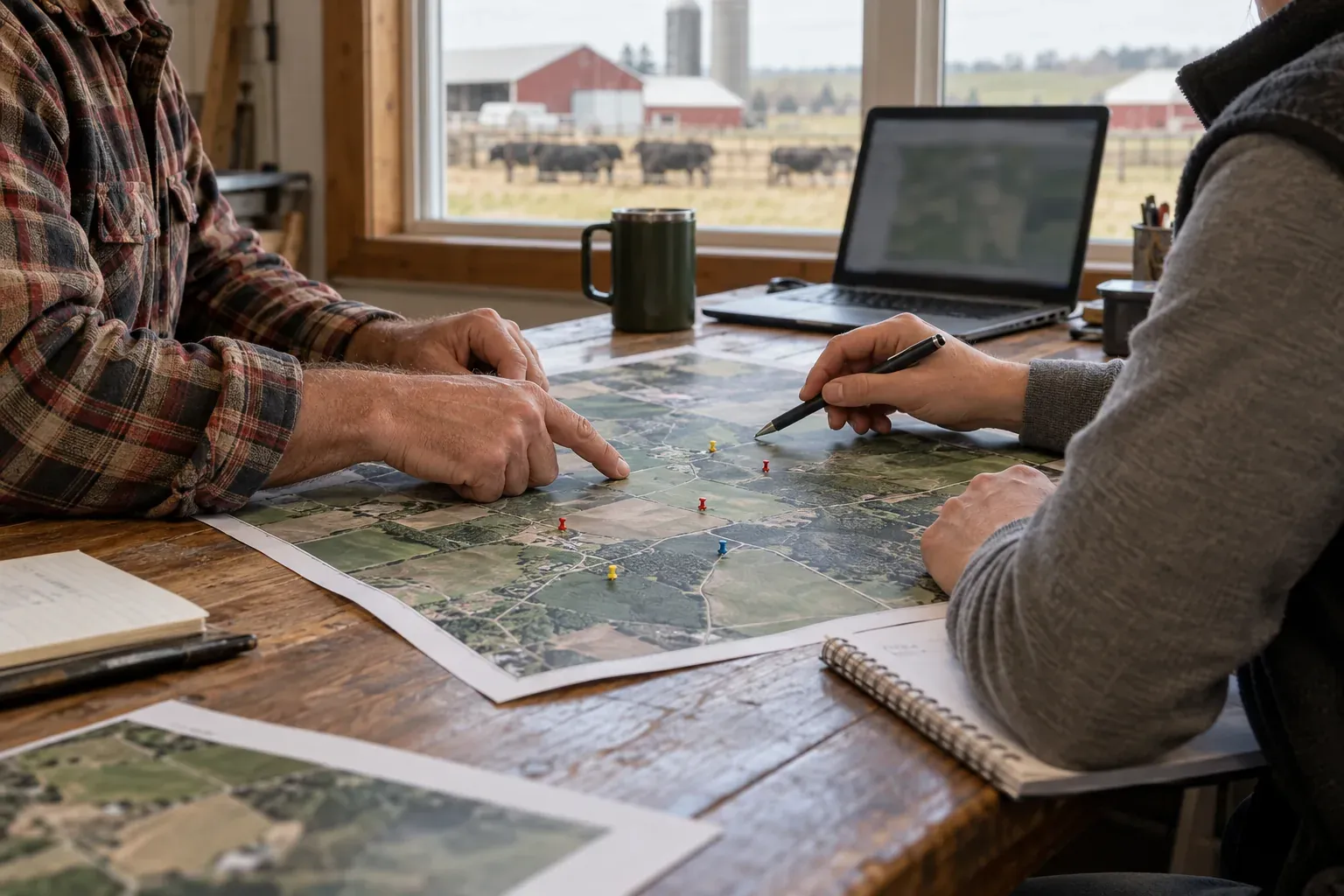
Schedule a platform briefing to discuss deployment scope, infrastructure requirements, and expected ROI for your operation.