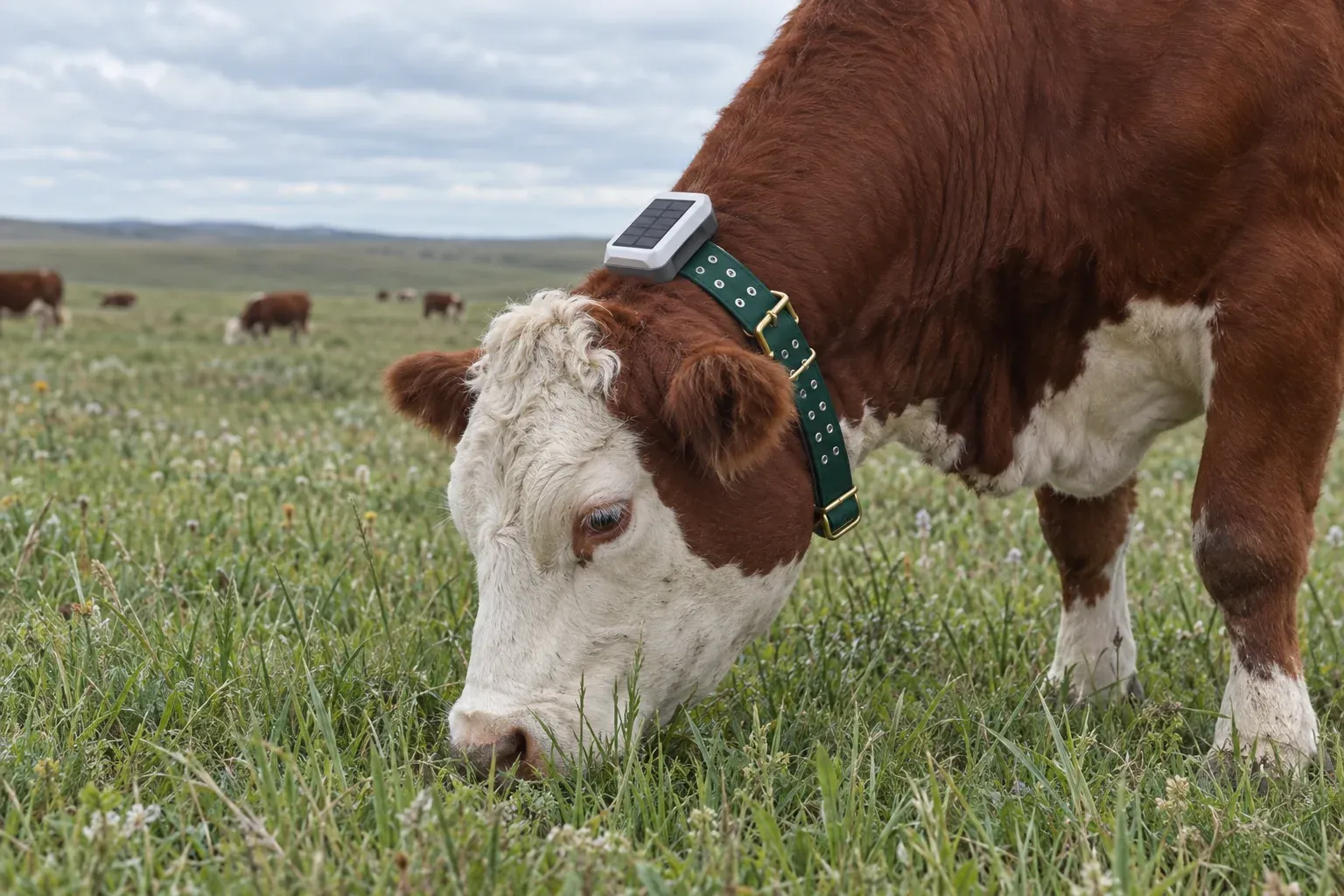
Technology
Technology Deep Dive
The engineering behind the platform — from signal processing and multi-sensor fusion to machine learning models and private network architecture.
Behavioral Signal Processing
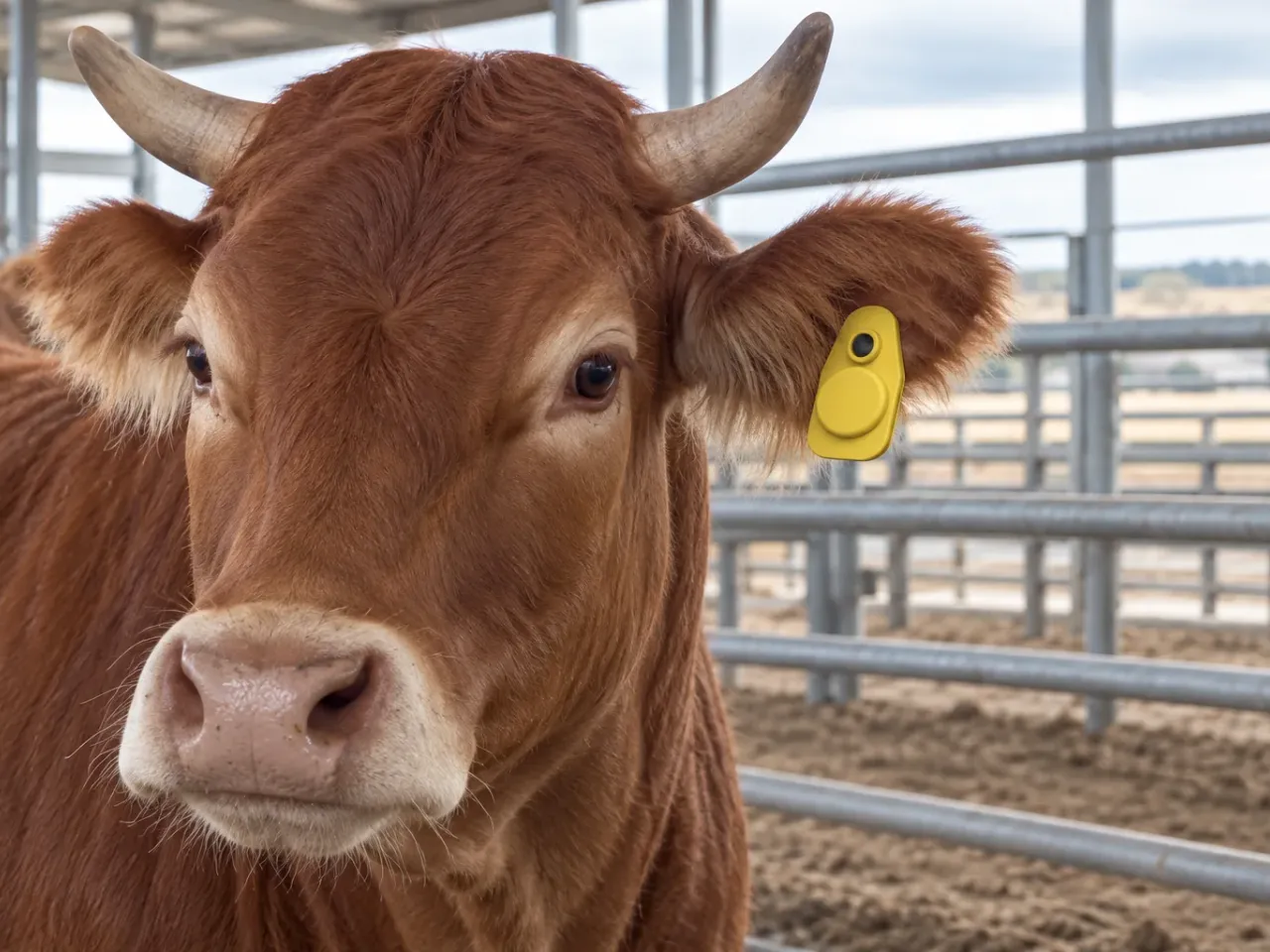
Raw sensor data is noisy. The Herdwize signal processing pipeline turns step counts from the integrated pedometers and body-temperature readings into clean activity and temperature trends, using filtering, peak detection algorithms, and time-series windowing. This processing runs continuously, enabling the AI engine to work with meaningful behavior patterns rather than raw sensor values.
- Low-power sensing: typical ear-tag consumption under 10 µA
- Temperature accuracy: ±0.1 °C between 36 and 38 °C
- Activity measured as step counts against each animal's own baseline
Multi-Sensor Fusion
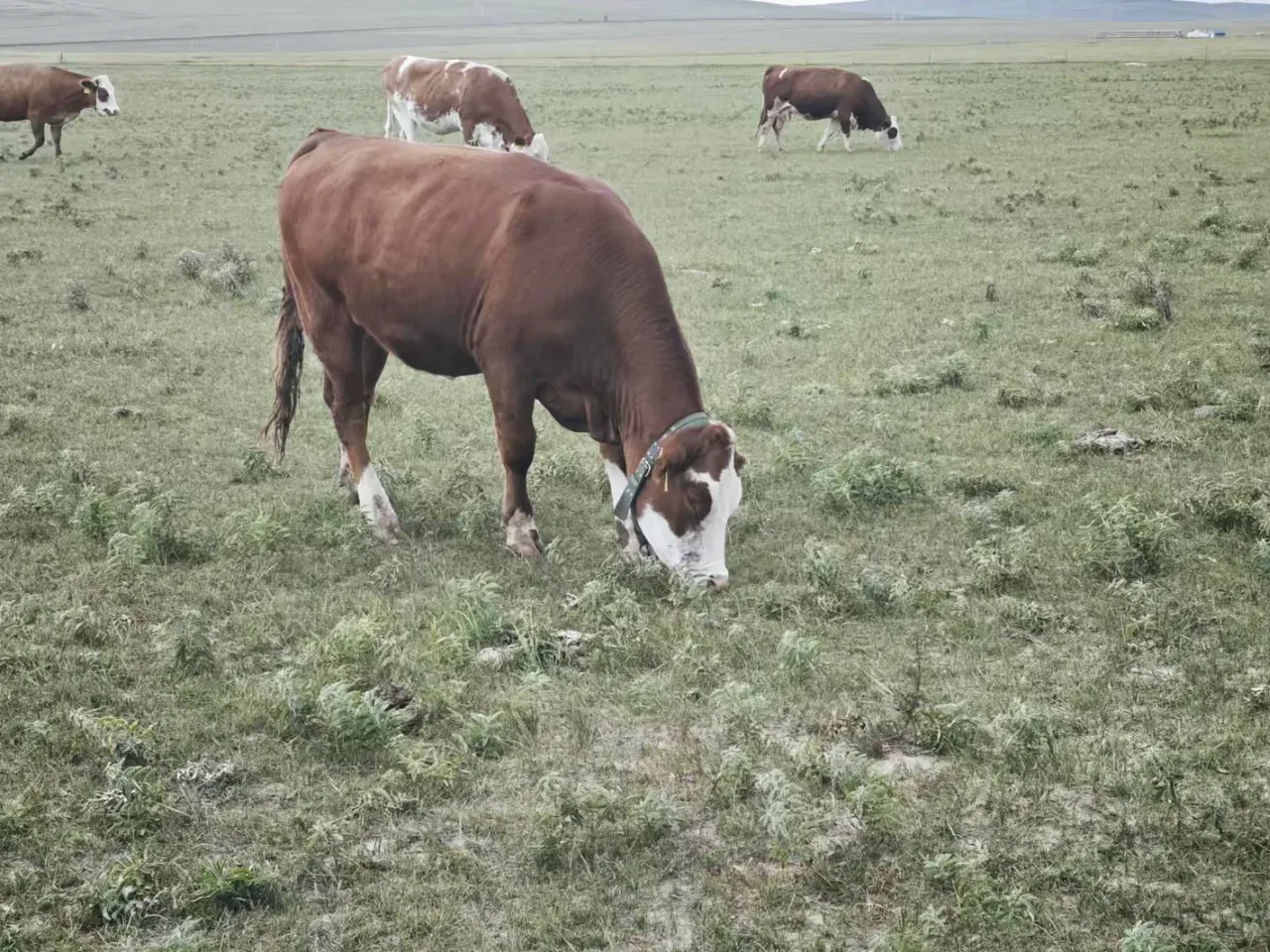
Individual sensor readings tell an incomplete story. The Herdwize platform fuses temperature, activity, and GPS data streams to build a comprehensive picture of each animal's state. Temperature alone might indicate fever — but temperature combined with reduced activity and isolation from the herd creates a high-confidence health risk assessment.
- Cross-sensor correlation analysis for health risk scoring
- Individual animal baseline modeling (adapts to each animal's normal patterns)
- Herd-level pattern detection for environmental and management event identification
How Behavioral Baselines Are Built
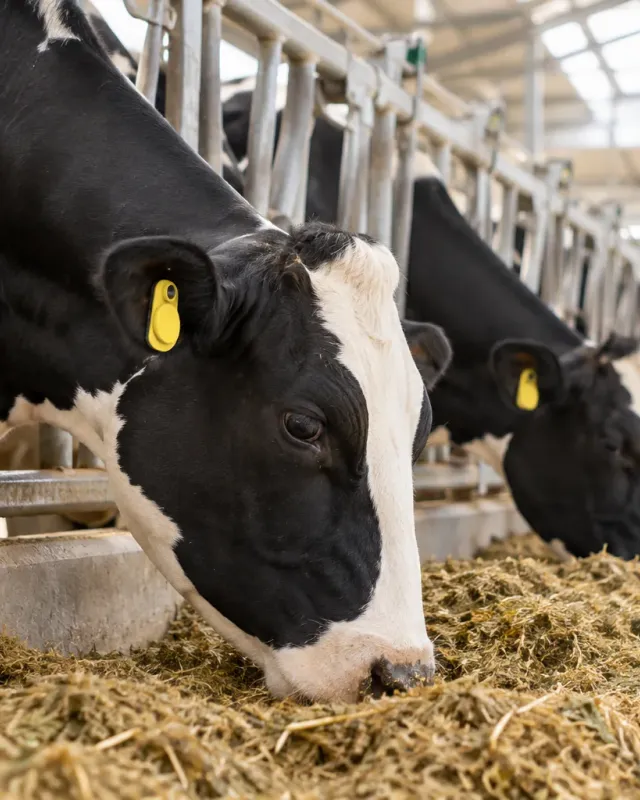
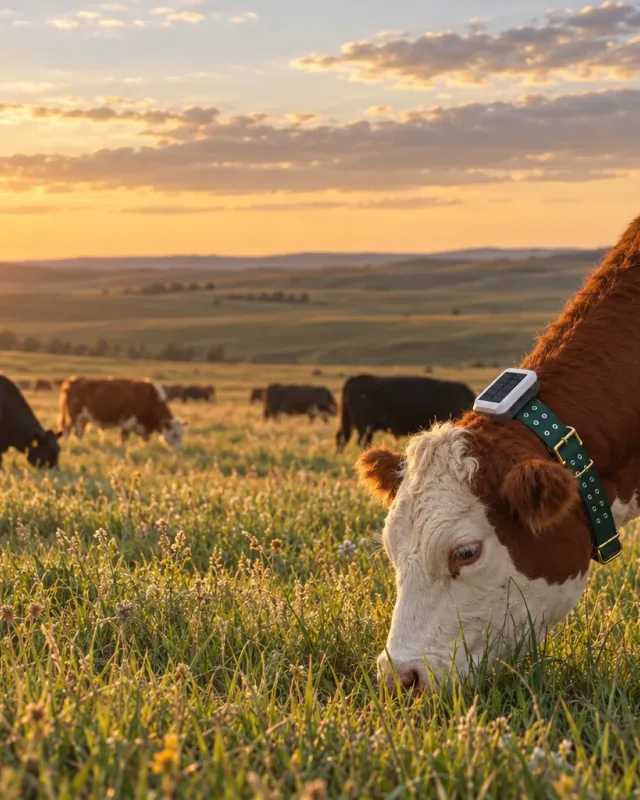
Every animal is different. A Holstein in a 300-cow freestall dairy behaves differently from an Angus on 5,000 acres of rangeland. Herdwize's per-animal baseline modeling is what enables the system to distinguish between "this cow is sick" and "this cow is always less active than average."
- 1
Days 1-3: Raw Data Collection
The system collects continuous sensor data — temperature, activity, and GPS position for collared animals — without generating alerts. This raw data populates the initial observation window.
- 2
Days 4-7: Pattern Extraction
The AI engine identifies daily rhythms: when is this animal typically active, and when does she rest? What is her normal temperature range across the day-night cycle? These patterns form the initial behavioral profile.
- 3
Days 8-14: Baseline Refinement
The system cross-references individual patterns with herd-level norms and environmental data (weather, season). Confidence intervals narrow as more data accumulates. By day 14, the individual baseline is stable enough for high-accuracy anomaly detection.
- 4
Ongoing: Adaptive Learning
Baselines are not static. The model continuously adapts to seasonal changes, aging effects, lactation stages (dairy), and management changes. This adaptive learning prevents false alerts that plague fixed-threshold systems.
Machine Learning Models
Herdwize ML models are trained on multi-species behavioral datasets collected from active farm deployments. The estrus detection model analyzes 72-hour activity windows to identify pre-standing-heat behavioral patterns. The health risk model scores animals on a continuous 0-100 scale based on deviation from individually established baselines.
- Estrus detection: 92% sensitivity, 95% specificity in field validation
- Health risk scoring: continuous 0-100 scale with configurable alert thresholds
- Models retrained quarterly with new field data for continuous improvement
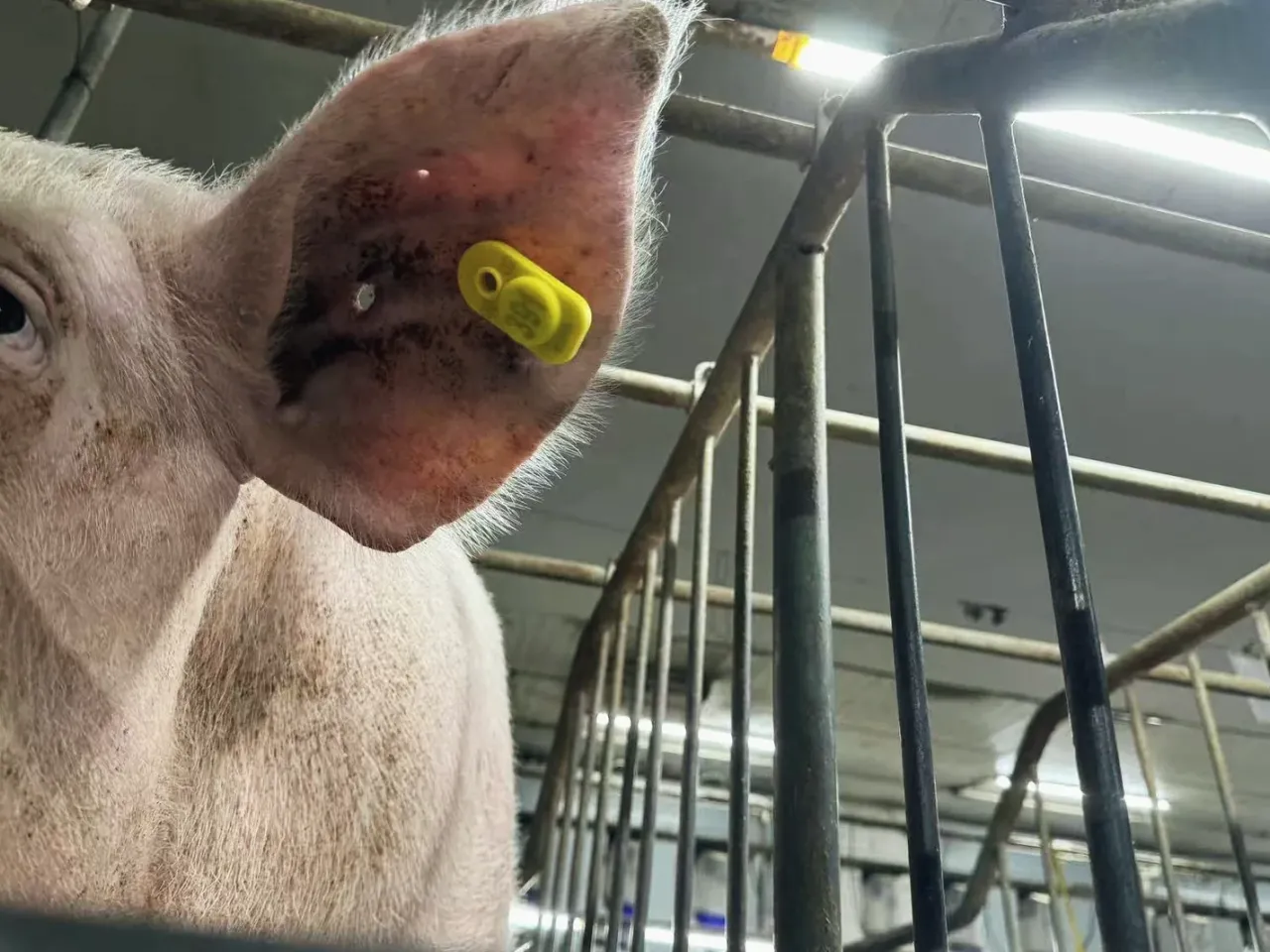
- Species-specific model variants for cattle, goats, and pigs

Model Training and Validation Process
Herdwize ML models are trained on real-world farm data — not laboratory datasets. This distinction matters because farm conditions introduce variability that lab-controlled studies cannot replicate: weather events, management changes, feed quality variations, and seasonal behavioral shifts.
- Training data sourced from active farm deployments across multiple geographic regions
- Ground truth labels provided by producer reports, veterinary diagnoses, and progesterone testing
- Models validated using hold-out datasets (never trained on test data)
- Quarterly retraining cycle incorporating new field data and corrected predictions
- Species-specific model variants: separate models for dairy cattle, beef cattle, goats, and pigs
- Transfer learning enables faster baseline establishment for new species or breed types
Predictive Analytics Engine
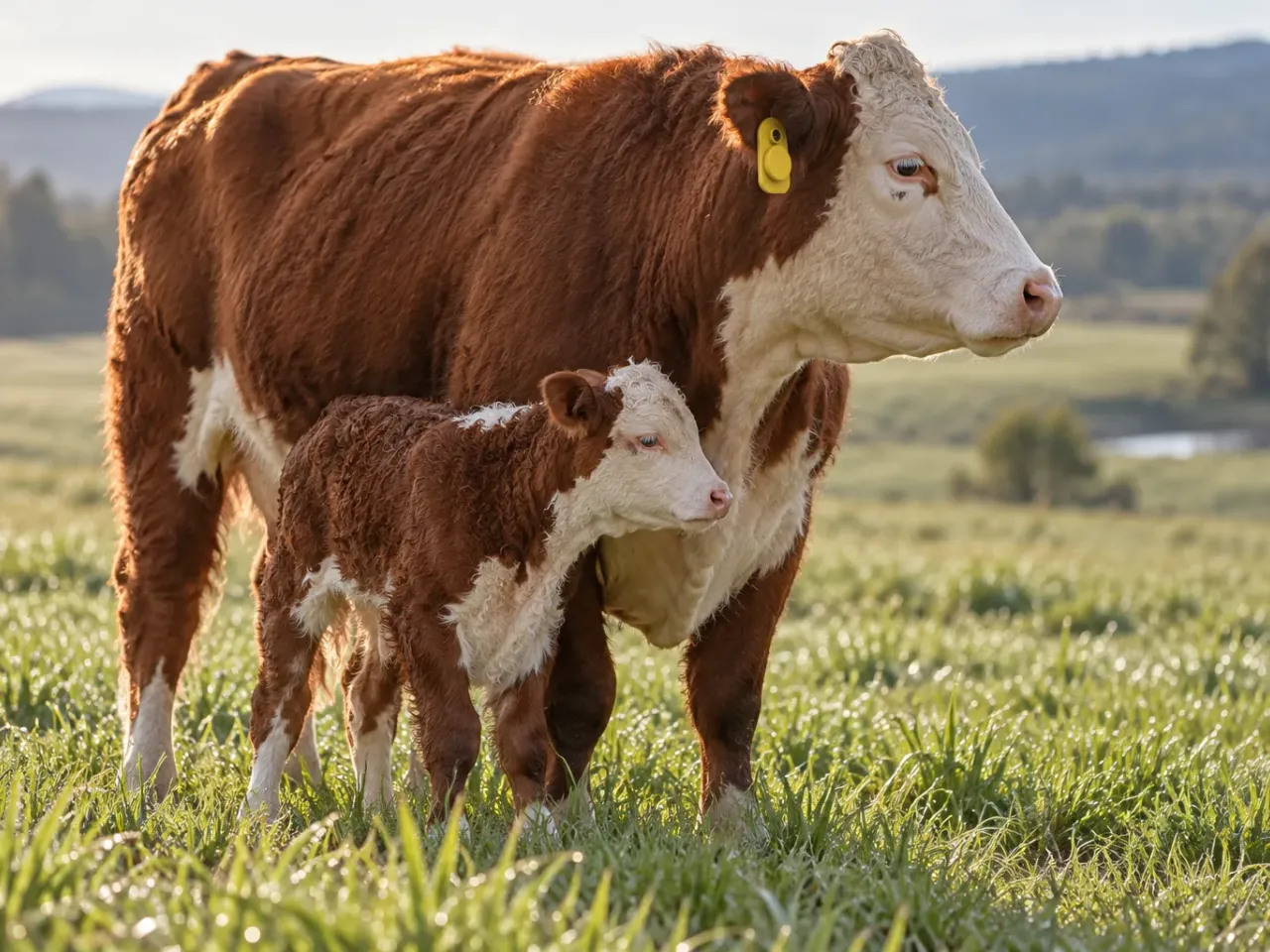
Beyond real-time monitoring, the Herdwize platform generates predictive insights. Calving date estimation based on breeding records and behavioral pattern changes. Feed efficiency scoring based on weight gain correlation with activity data. Seasonal health risk forecasting based on historical herd data and environmental conditions.
- Calving prediction: ±3 day accuracy based on behavioral pattern analysis
- Feed efficiency scoring for individual animals and cohort comparison
- Seasonal risk forecasting with historical trend analysis
Private Farm-Level Network
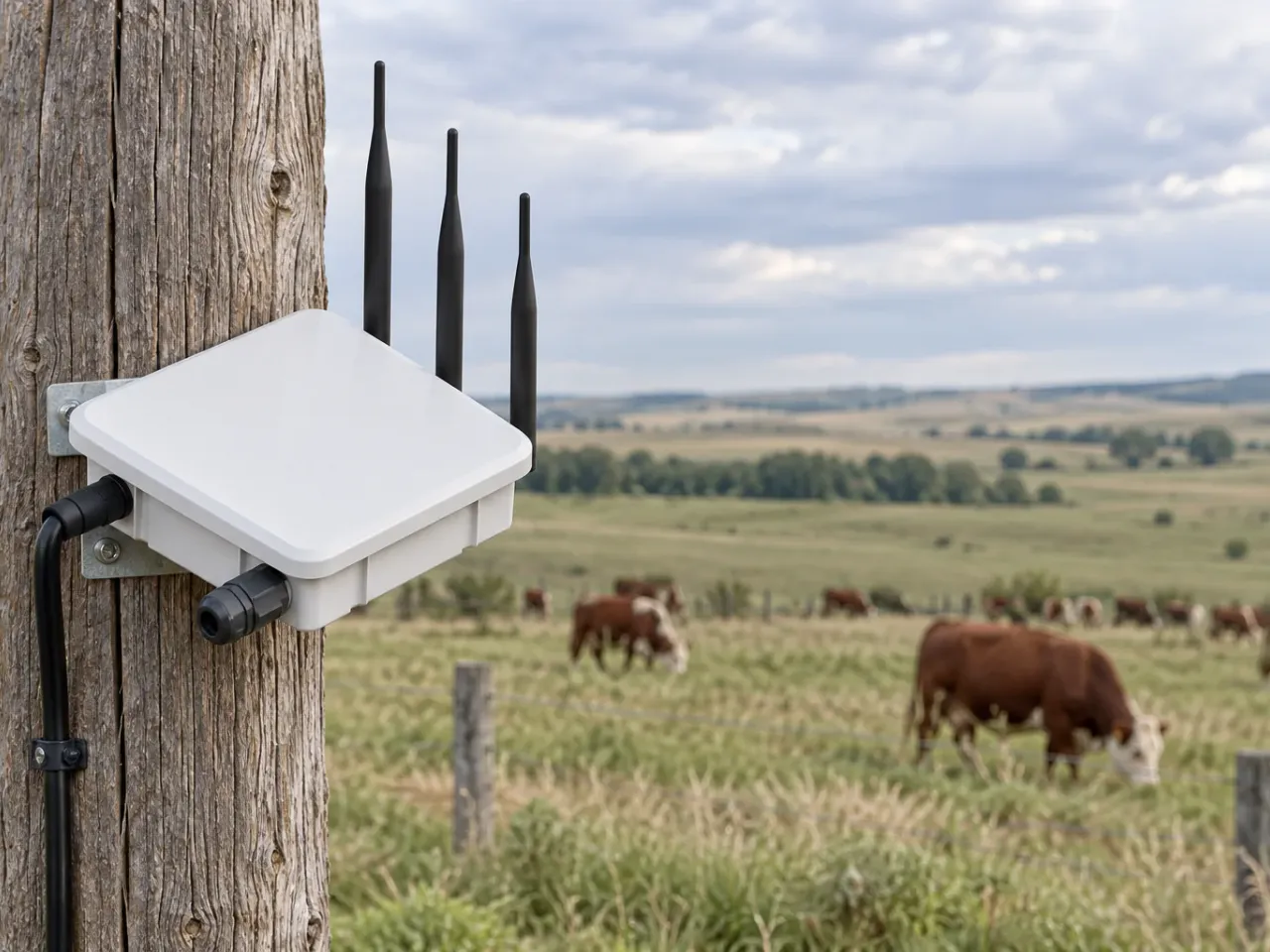
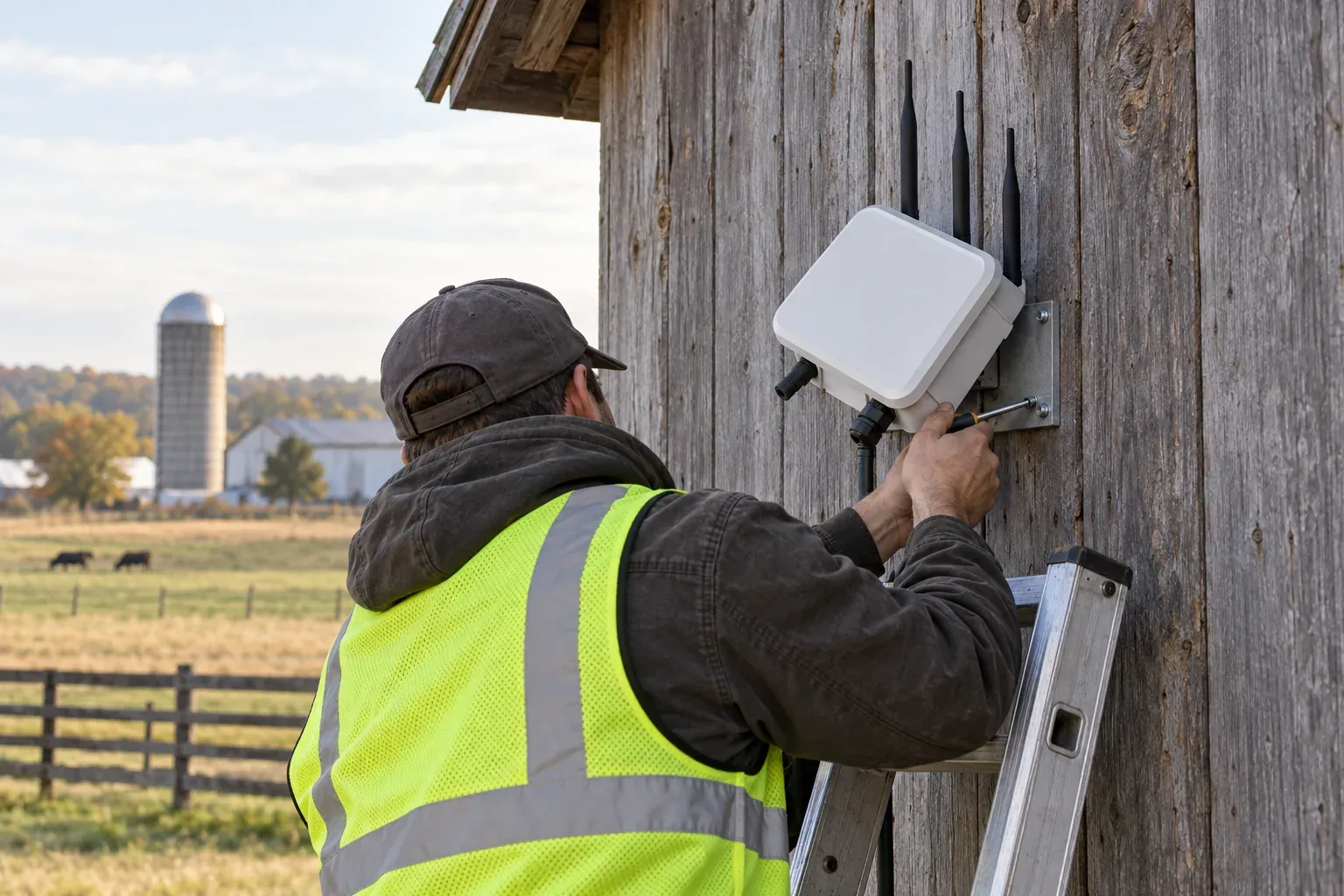
Unlike solutions that depend on cellular connectivity, Herdwize deploys a private LoRa network on each farm. This provides reliable coverage in areas with poor or no cellular service, eliminates ongoing cellular data costs for LoRa devices, and keeps farm data off third-party carrier networks. The private network architecture also means the producer controls their data infrastructure — not a third-party carrier.
- No cellular dependency — operates on private LoRa infrastructure
- Zero recurring cellular data costs for LoRa devices
- Data travels over your own farm network, then to the cloud over the gateway's wired connection
- Producer controls network infrastructure and data flow
Private LoRa vs. Cellular vs. WiFi for Livestock Monitoring
Connectivity technology choice is one of the most consequential decisions in a livestock monitoring system. Each technology has distinct trade-offs in range, power consumption, cost, and reliability. Here is why Herdwize chose a private LoRa network as its primary network technology.
| Feature | Private LoRa | Cellular | WiFi |
|---|---|---|---|
| Range | 5 km radius per gateway (open areas) | Depends on tower (0-30 km) | 50-100 meters |
| Battery life (sensor) | 2–4 years (ear tags); 5 years (solar collars, water and soil sensors) | 3-12 months | Days to weeks |
| Monthly data cost | $0 (private network) | $2-10/device/month | Broadband cost |
| Reporting interval | Set per herd, as often as every minute; no per-message cost | Every report uses paid data | Unlimited within range |
| Coverage gaps | You control it | Carrier dependent | Building/barn only |
| Capacity per base station | Collars and sensors within range | Varies by tower | 50-100 devices |
| Infrastructure cost | $500-2,000 per gateway | $0 (carrier owned) | $50-200 per AP |
| Data rate | Low (sufficient for sensors) | High | High |
| Best for | Remote, large-area, low-power | Urban, high-bandwidth | Indoor, high-density |
Data Security & Privacy
Farm data is sensitive operational information. Herdwize data is encrypted from device to cloud. Cloud data is stored in SOC 2-compliant infrastructure with role-based access controls. Data ownership remains with the producer — Herdwize does not sell, share, or aggregate customer data.
Data encrypted from device to cloud
TLS 1.3 for all cloud API communications
SOC 2 Type II compliant cloud infrastructure
Data ownership: producer retains full ownership and export rights
GDPR and Canadian PIPEDA compliant data handling
Ready to Deploy Livestock Intelligence?
Schedule a platform briefing to discuss deployment scope, infrastructure requirements, and expected ROI for your operation.