Solutions
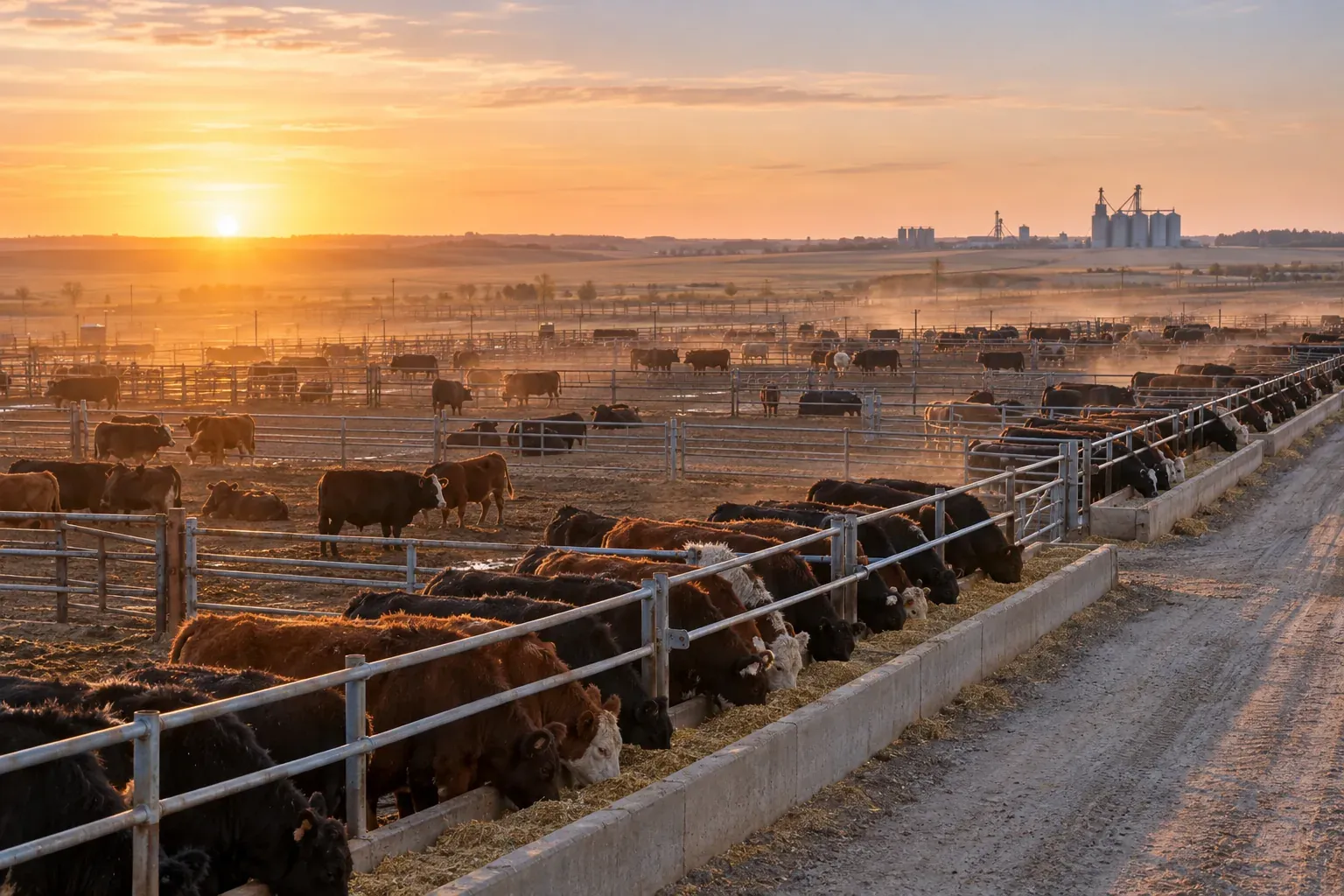
Beef Cattle Intelligence
Health monitoring and location tracking across extensive grazing operations where daily visual observation is impractical.
Beef Operation Challenges
Animals spread across large pastures make daily health checks impractical
BRD and other respiratory diseases detected too late for effective treatment
Theft and predation losses with no real-time awareness
Limited data on individual animal performance for culling and selection decisions
How Herdwize Addresses These Challenges
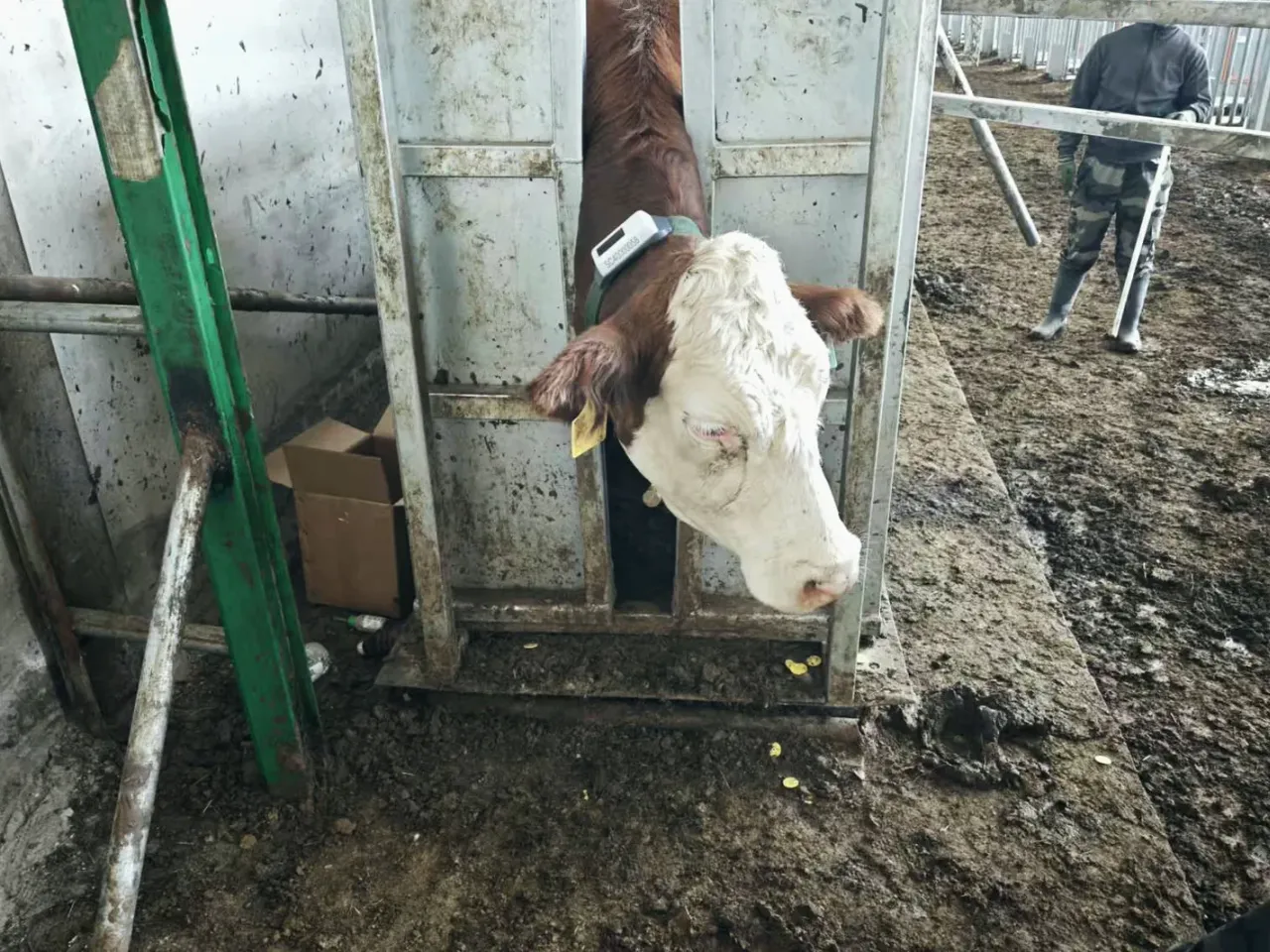
Remote Health Monitoring
Continuous temperature and activity monitoring across the entire herd, regardless of pasture location. No daily visual checks required for baseline health assessment.
BRD Early Detection
Temperature spikes and activity depression patterns are cross-referenced to flag BRD risk 48-72 hours before visible clinical signs, when treatment is most effective.
GPS Location & Geofencing
GPS positions as often as every minute on GC09 and GC010 collars, with geofence breach alerts. Know quickly when animals leave designated areas or show unusual movement patterns.
Performance Data for Selection
Automated weight gain correlation, health event frequency, and behavioral data provide objective inputs for culling and breeding selection decisions.
Expected Outcomes
- 2.3x reduction in BRD treatment costs through early detection
- Near-zero theft and predation response time with geofencing
- 80% reduction in pasture check labor
- Data-driven culling decisions improving herd genetics over time
Understanding Beef-Specific Monitoring Challenges
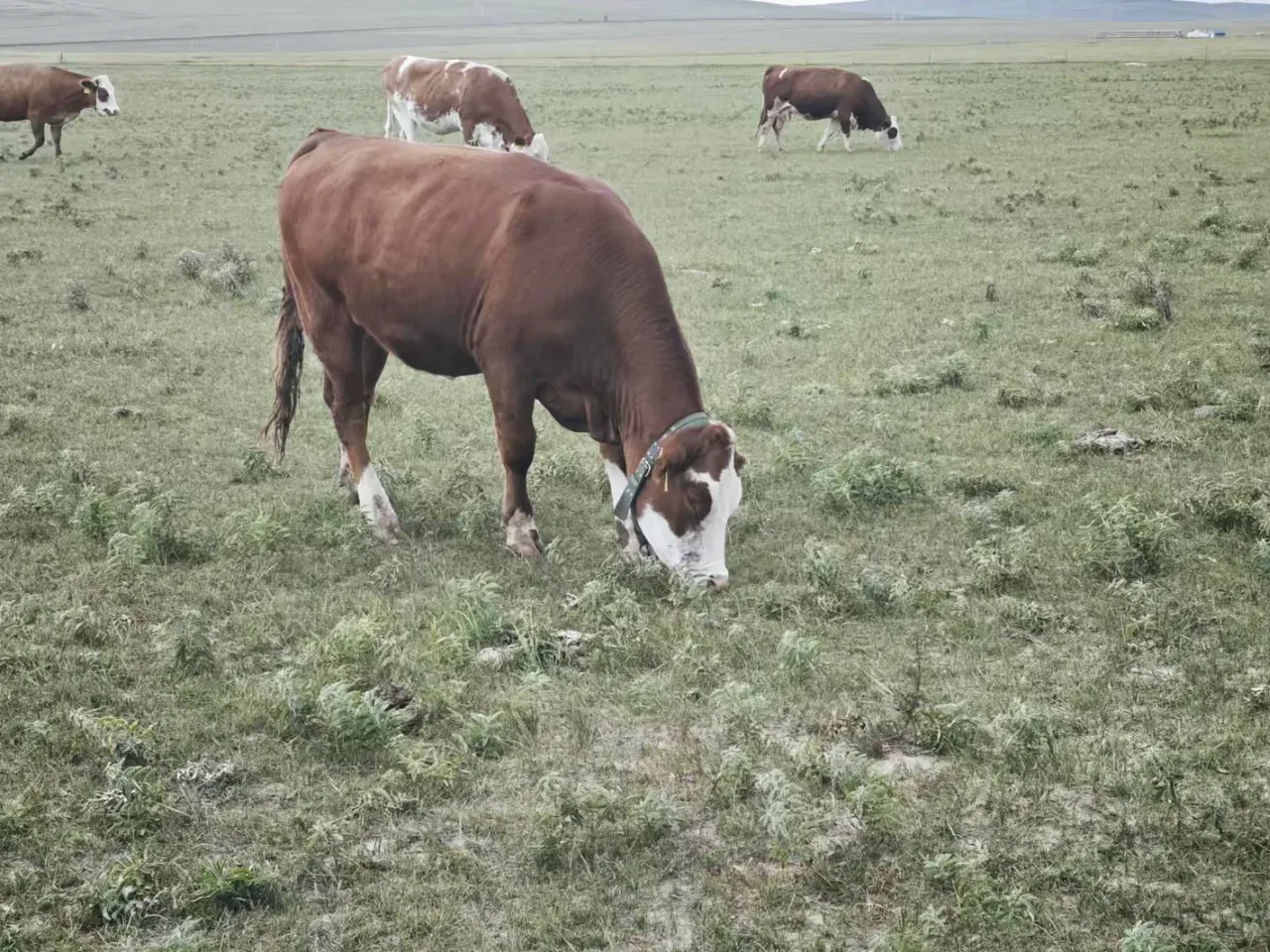
Beef cattle operations face fundamentally different monitoring challenges than confined dairy systems. Animals are spread across large pastures — often hundreds or thousands of acres — where daily visual observation of every animal is physically impossible. The economic impact of undetected illness in beef herds is severe: bovine respiratory disease (BRD) alone costs the North American beef industry over $900 million annually, according to USDA APHIS estimates.
Beef cattle on pasture display stoic behavior that masks illness signs until disease is advanced
Visual detection of BRD in range cattle achieves only 56% sensitivity (Timsit et al., 2011, Journal of Animal Science)
Average time from BRD onset to visual detection is 3-5 days — well past the optimal treatment window
Morbidity rates in feedlot cattle during high-risk periods (arrival, weather stress) can reach 15-40%
Feedlot vs. Cow-Calf Applications
Herdwize is designed for both feedlot and cow-calf environments, though the monitoring priorities differ significantly between these operation types.
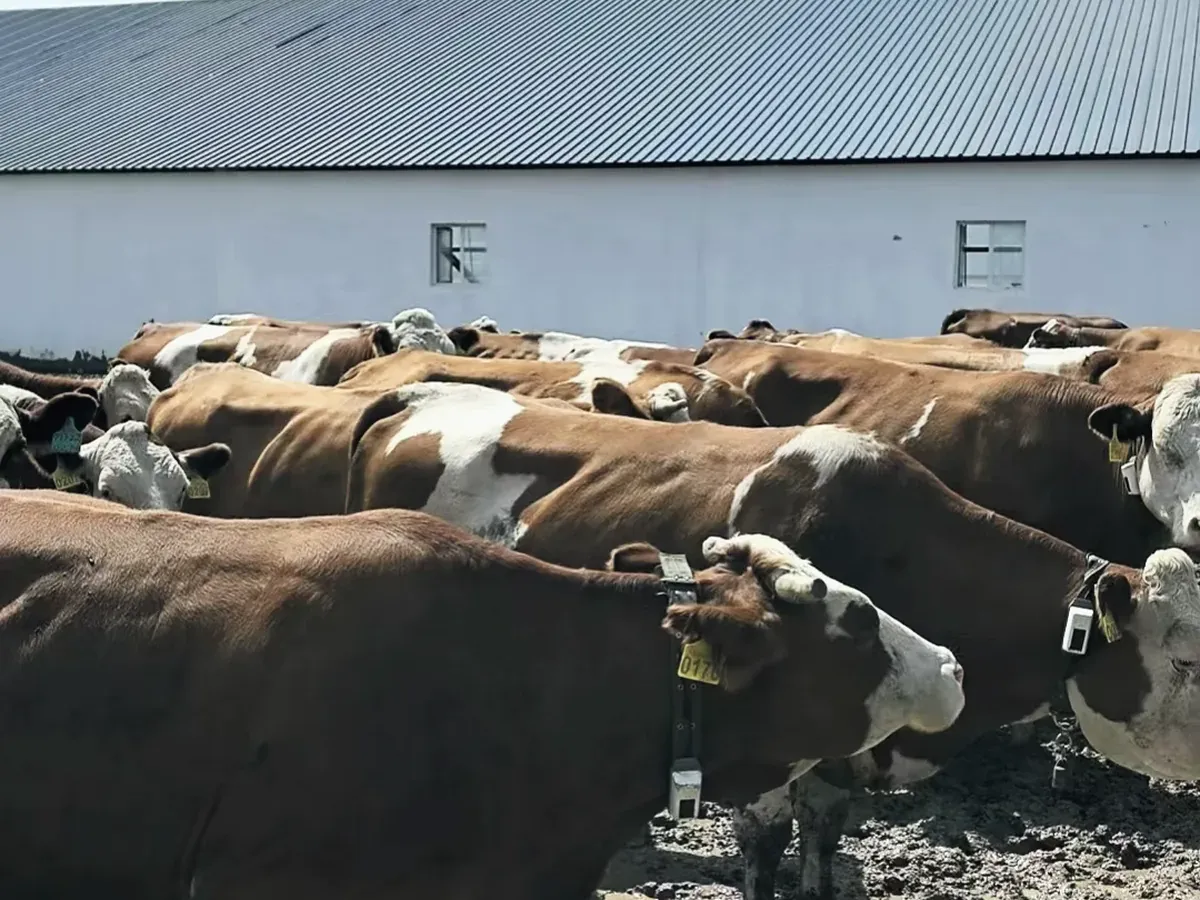
Feedlot Deployment
- High-density pen monitoring with Smart Eartags for temperature and activity tracking
- BRD risk scoring during high-risk arrival and adaptation periods
- Feed intake correlation with activity data for feed efficiency analysis
- Pull-rate optimization — identify animals requiring treatment before they deteriorate
- Pen-level heat stress monitoring from body-temperature trends during weather events
Cow-Calf Deployment
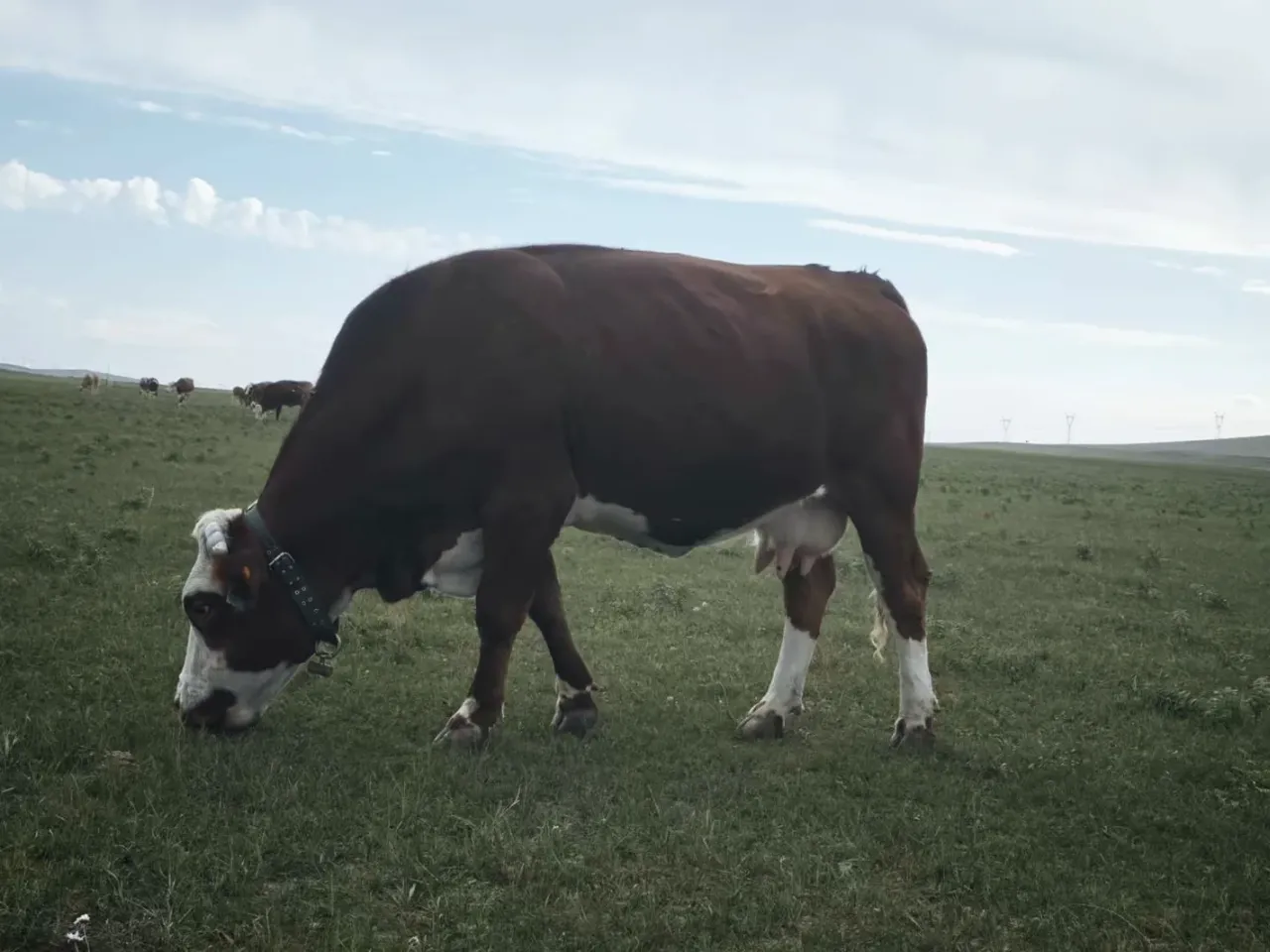
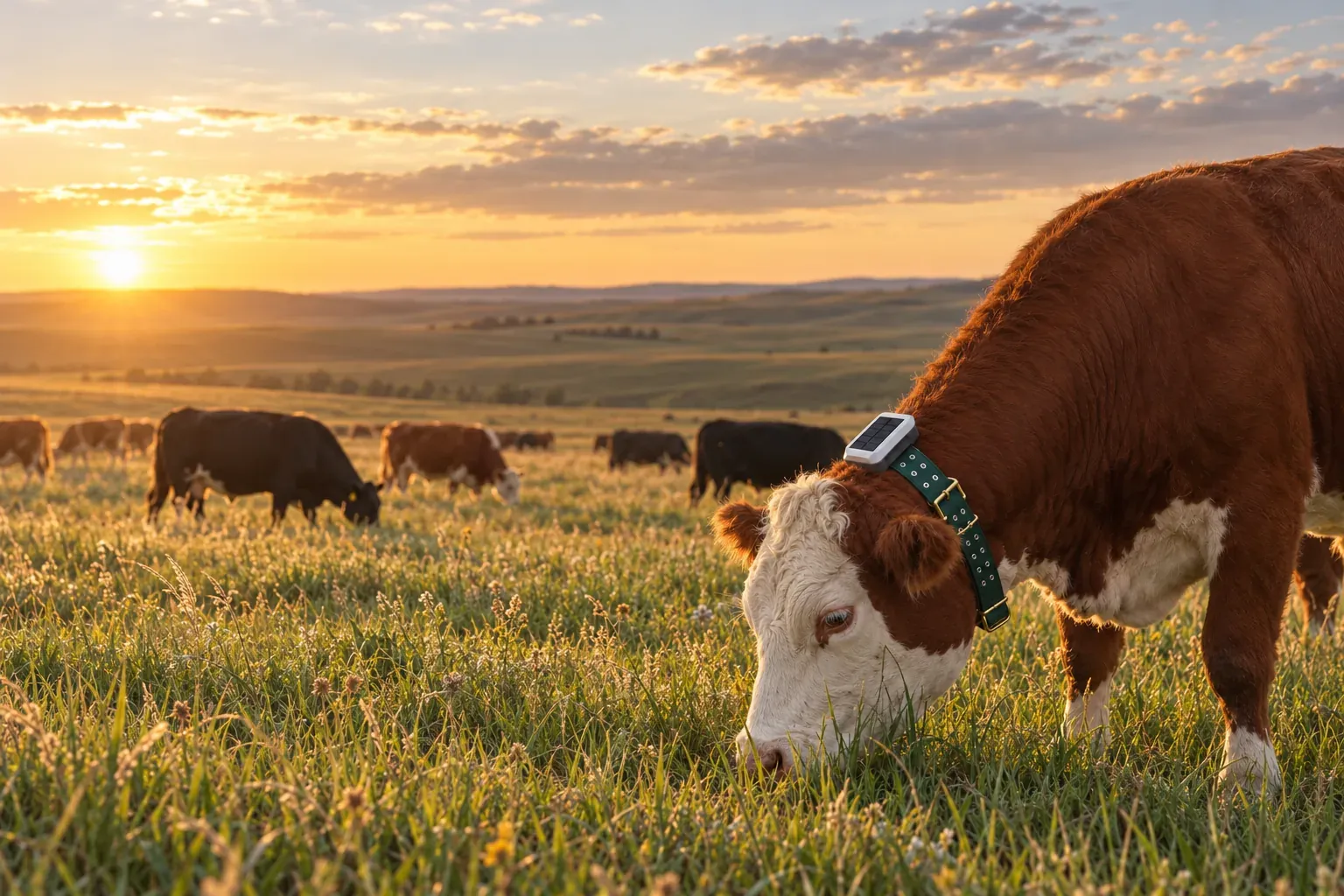
- GPS Smart Collars for location tracking across extensive pastures
- Calving prediction and alerting to reduce calf loss
- Geofencing for pasture rotation management and breach detection
- Bull-to-cow ratio monitoring during breeding season
- Predation risk alerting through sudden movement and isolation pattern detection
BRD Early Detection: The Science Behind 48-72 Hour Prediction
Bovine Respiratory Disease is a multi-factorial condition triggered by viral and bacterial pathogens, often precipitated by stress events (transport, weather change, commingling). The Herdwize BRD detection model combines multiple data streams to identify at-risk animals before clinical signs become visible.
Body temperature elevation
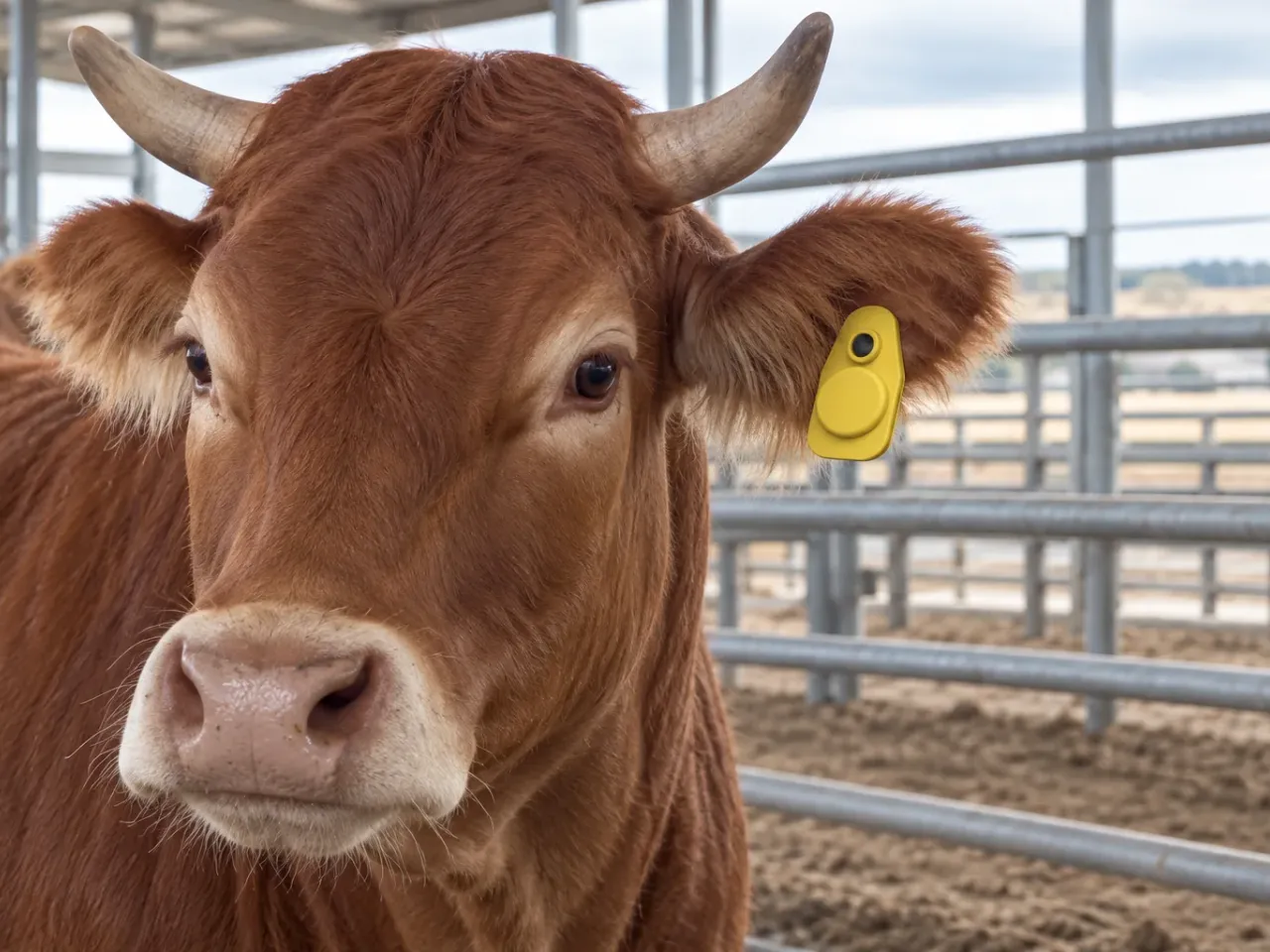
Core body temperature rises 0.5-1.5°C above individual baseline 24-72 hours before clinical BRD signs. The Smart Eartag's ±0.1°C accuracy enables detection of these subtle shifts.
Activity depression
Sick cattle reduce their daily activity by 15-30% before exhibiting visible lethargy. The integrated pedometer quantifies this decline continuously.
Deviation from individual baseline
Temperature and activity are compared with each animal's own baseline rather than a herd average, so small changes stand out earlier than they would against fixed thresholds.
Social isolation
Cattle with early-stage respiratory disease tend to separate from the group. GPS data from collared animals identifies animals spending abnormal time away from the herd.
Multi-sensor fusion of these signals achieves higher detection accuracy than any single metric alone, consistent with findings in Pillen et al. (2016) and Theurer et al. (2015) on the value of continuous monitoring for BRD detection.
Key Performance Metrics for Beef
- BRD early warning window
- 48-72 hr
- Before visible clinical signs
- Reduction in BRD treatment costs
- 2.3x
- Early vs. late treatment comparison
- Reduction in pasture check labor
- 80%
- vs. twice-daily visual checks
- Geofence breach alert time
- < 30 sec
- From detection to mobile notification
- Radius per LoRa gateway
- 5 km
- Open areas; hills and trees reduce range
Frequently Asked Questions — Beef
Does Herdwize work on rangeland without cellular service?
Can the GPS collar track cattle across thousands of acres?
How does Herdwize handle harsh weather conditions?
What is the battery life for devices used on range cattle?
Can Herdwize data be used for genetic selection decisions?
Explore Other Solutions
Dairy Farms
Optimize reproduction, detect health issues early, and reduce labor through automated monitoring.
Breeding Programs
Maximize conception rates with AI-powered estrus detection and insemination timing.
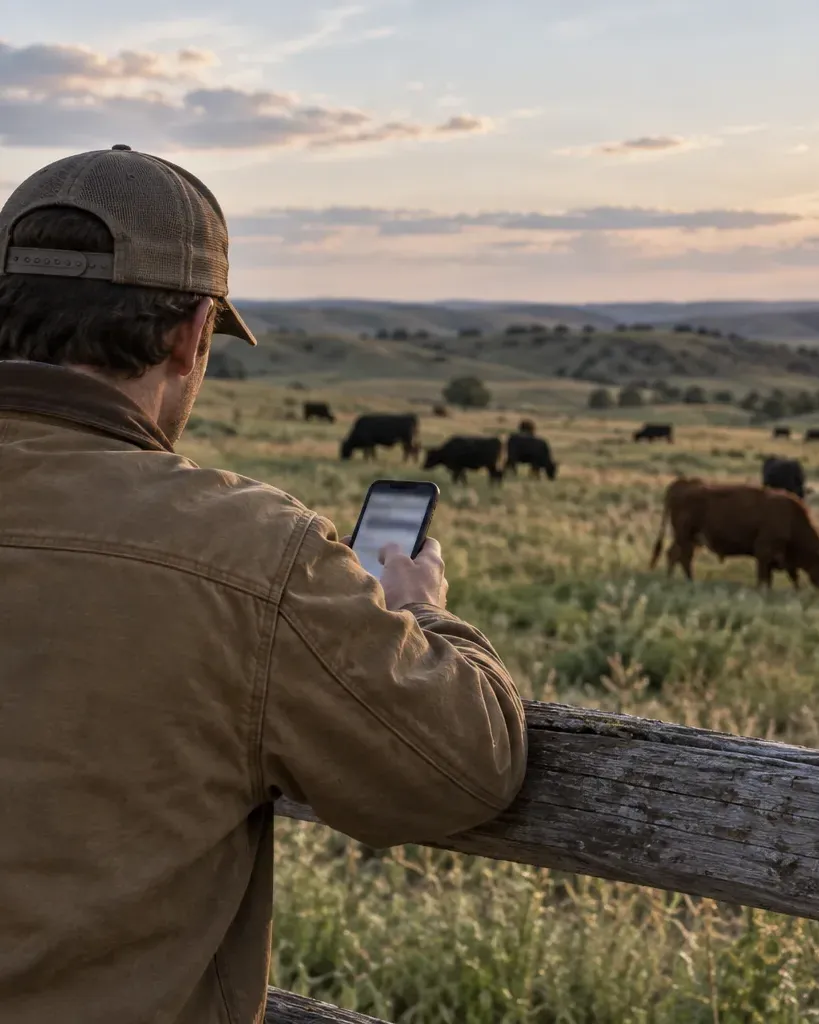
Ranch Management
Deploy at scale across thousands of head with private network infrastructure.
Ready to Deploy Livestock Intelligence?
Schedule a platform briefing to discuss deployment scope, infrastructure requirements, and expected ROI for your operation.