Solutions
Breeding Program Optimization
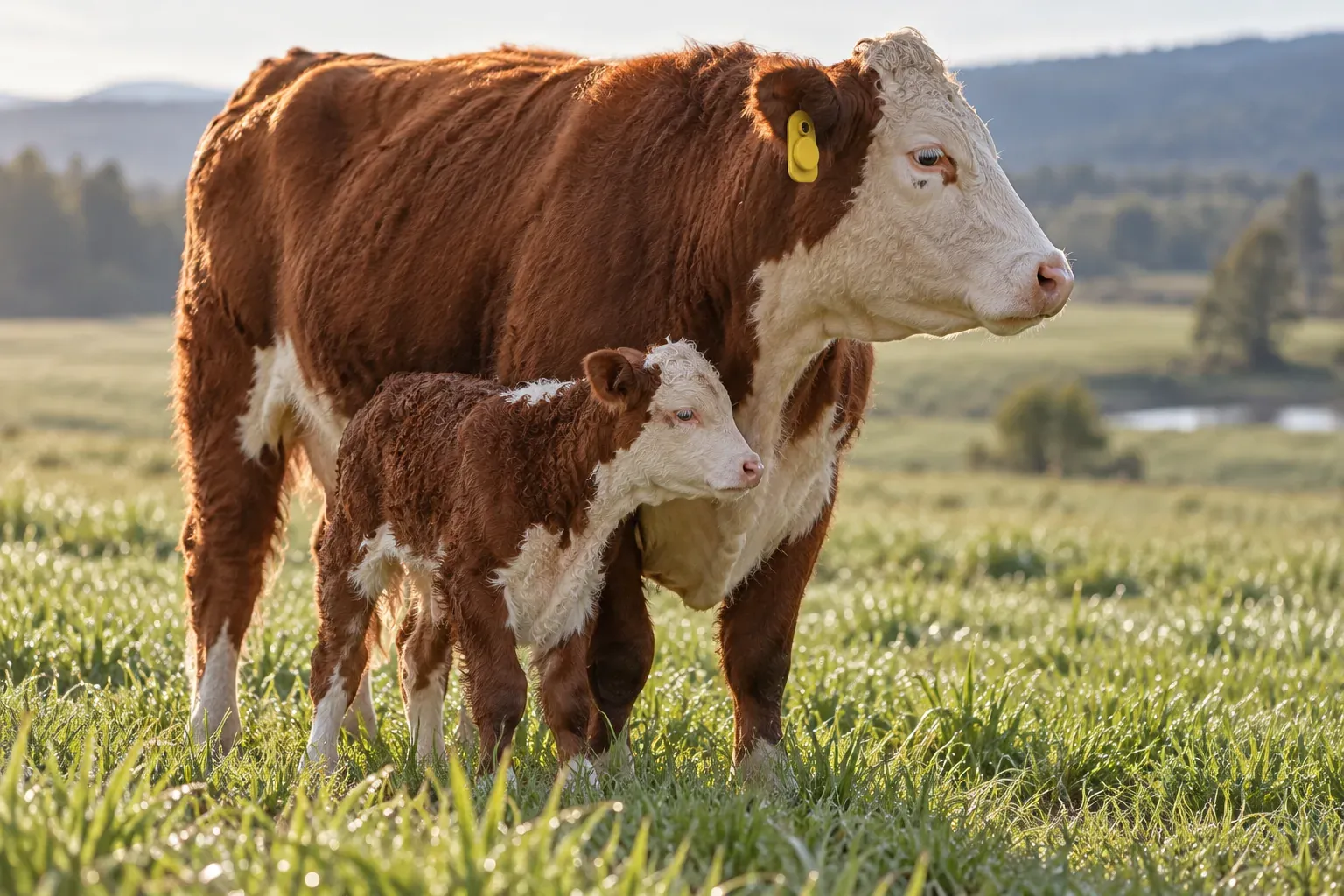
AI-powered estrus detection and insemination timing that maximizes conception rates and tightens calving windows.
Breeding Program Challenges
Visual estrus detection achieves only 50-60% accuracy
Nocturnal heat events are missed entirely without technology
Suboptimal insemination timing reduces first-service conception rates
Extended calving intervals increase feed costs and reduce lifetime productivity
How Herdwize Addresses These Challenges
92% Estrus Detection Accuracy
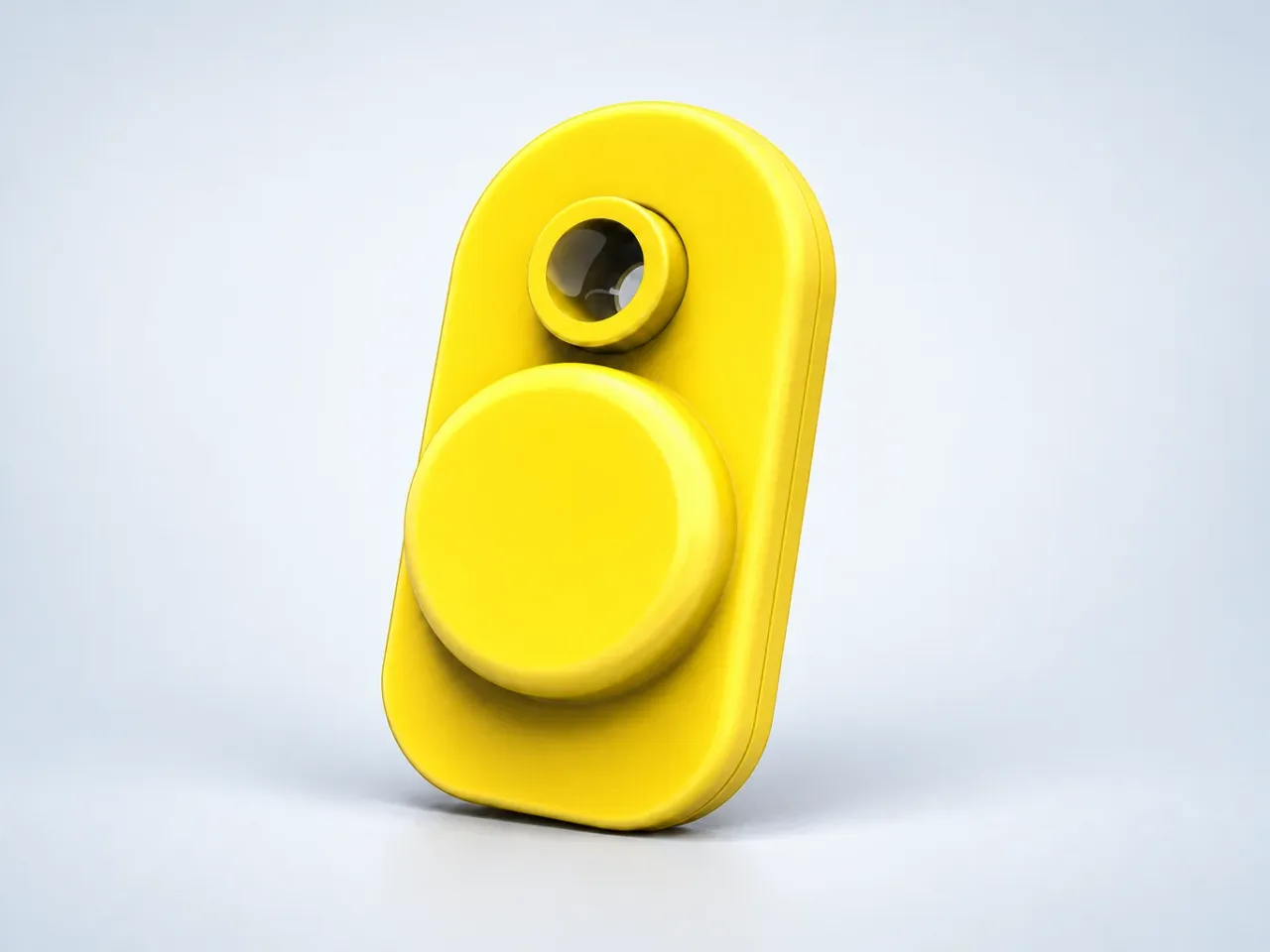
Multi-sensor behavioral analysis achieves 92% detection accuracy — including nocturnal events — compared to 50-60% with visual observation alone.
Optimal AI Timing Alerts
The platform identifies the onset of standing heat and alerts the producer with a recommended insemination window, improving first-service conception rates by 15-20%.
Breeding Record Automation
Estrus events, insemination dates, pregnancy confirmations, and calving dates are logged automatically. Complete reproductive histories are accessible per animal.
Calving Window Tightening
By improving detection and timing, Herdwize helps tighten the calving window — reducing the spread between first and last calf and simplifying management logistics.
Expected Outcomes
- 15-20% improvement in first-service conception rate
- 92% estrus detection accuracy (vs 50-60% visual)
- Tighter calving window by 2-3 weeks
- Automated breeding records with zero manual data entry
The Science of Automated Estrus Detection
Estrus (heat) in cattle lasts approximately 6-24 hours and typically occurs every 18-24 days. The behavioral changes associated with estrus — increased activity, mounting behavior, reduced feeding time, and restlessness — are well-documented in veterinary literature. However, 50-70% of estrus events occur outside of normal working hours (Nebel et al., 2000, Journal of Dairy Science), making visual detection inherently unreliable.
Why Visual Detection Fails
Research consistently shows that visual estrus detection achieves only 50-60% sensitivity in commercial dairy and beef operations (Roelofs et al., 2010). The primary reasons include: nocturnal heat expression (accounting for 30-50% of events), short heat duration in modern high-producing cows (often under 8 hours), and the difficulty of observing subtle secondary signs in large groups.
Multi-Sensor Behavioral Analysis
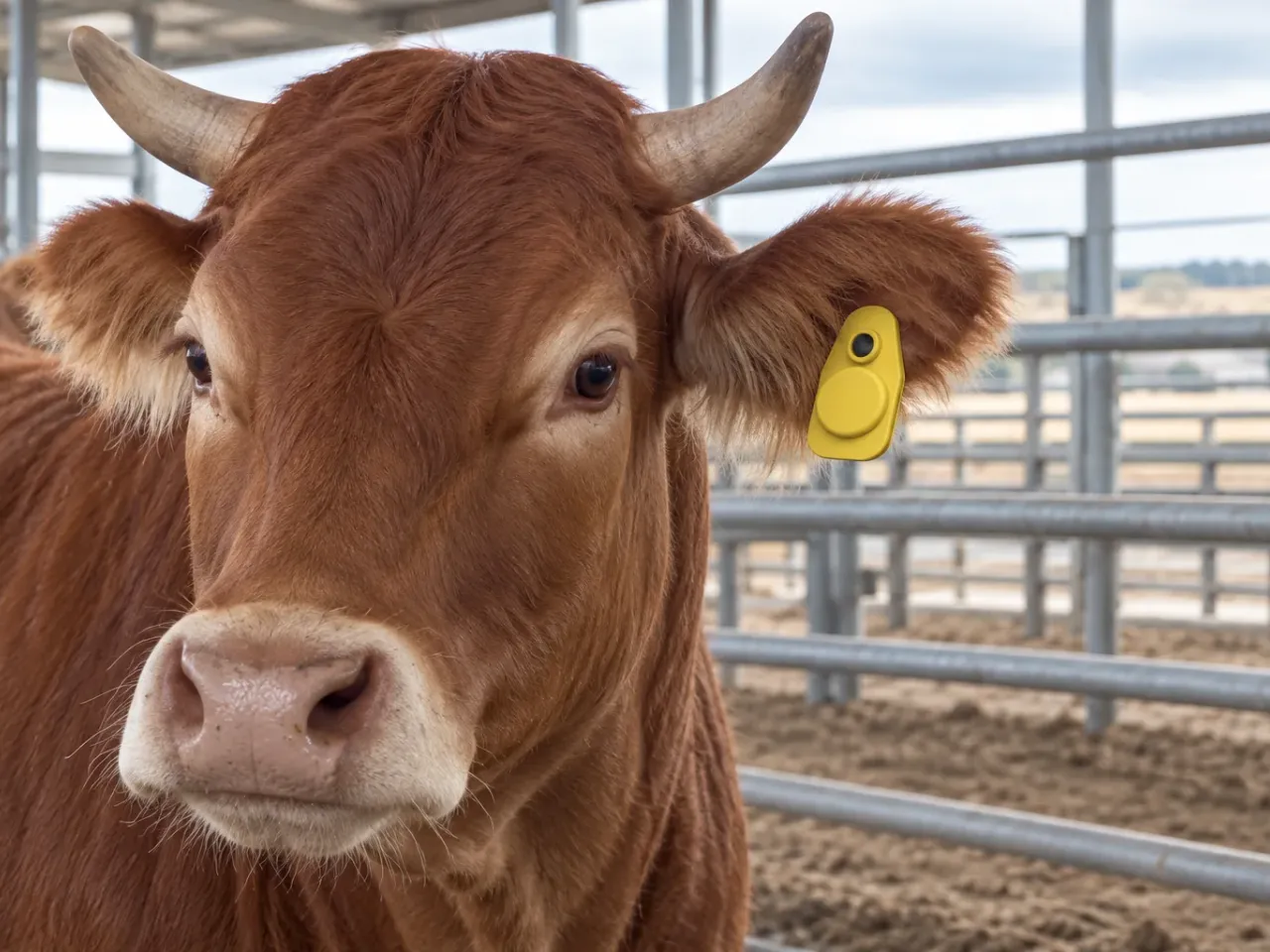
Herdwize's estrus detection model analyzes temperature and activity data together. The integrated pedometer captures the characteristic increase in walking and restlessness. The temperature sensor detects the 0.3-0.5°C rise that precedes standing heat. By combining these signals against each animal's individual baseline, the model achieves 92% detection sensitivity with 95% specificity — meaning very few false positives.
Optimal Insemination Timing
The AM/PM rule (inseminate 12 hours after observed heat) has been the standard guideline for decades. Herdwize refines this by identifying the onset of standing heat — not just that heat occurred — and generating a time-specific insemination window. Research by Dransfield et al. (1998) demonstrated that insemination 4-12 hours after the onset of standing heat maximizes conception probability. Herdwize alerts are designed to fall within this window.
92% Detection Accuracy — Methodology and Validation
The 92% estrus detection accuracy claim is based on controlled field validation across multiple farm deployments. Here is how the number was established and what it means in practice.
Validation dataset: 1,200+ estrus cycles across dairy and beef cattle populations
Ground truth: Confirmed by subsequent pregnancy diagnosis (ultrasound at 28-35 days) and progesterone testing
Sensitivity: 92% of confirmed estrus events were detected by the system
Specificity: 95% — only 5% of alerts were false positives (not associated with a true estrus event)
Nocturnal detection: 94% of nighttime heat events detected (vs. 0% with visual-only methods)
The model is retrained quarterly as the field dataset grows, with accuracy improving over successive iterations
Calving Window Optimization
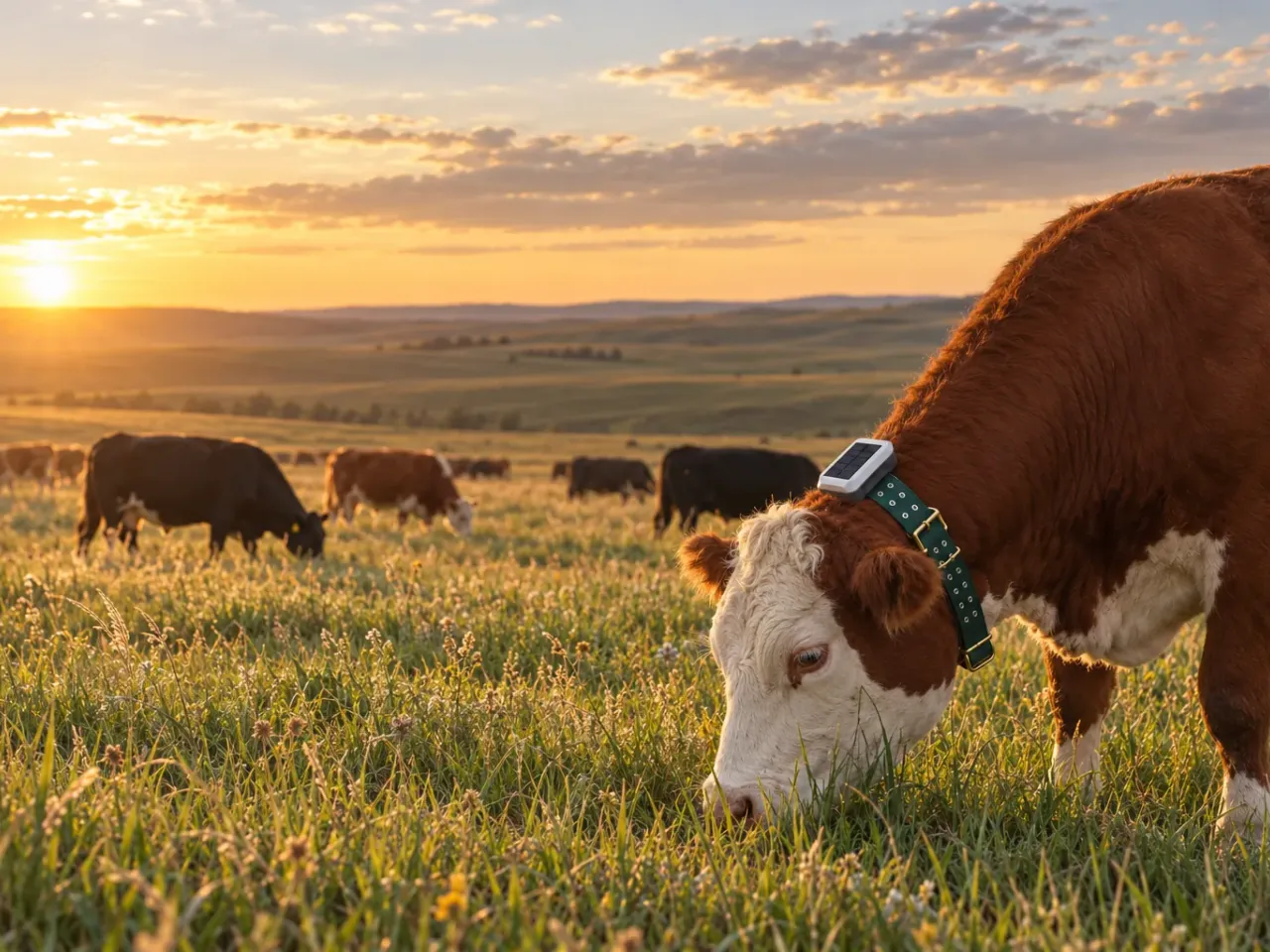
A tight calving window — where the majority of calves are born within a 30-45 day period — simplifies management, creates uniform calf crops, and improves weaning weights. Extended calving seasons result from missed or poorly timed inseminations.
- Each missed heat cycle extends the calving interval by 21 days and costs an estimated $500+ per cow (De Vries, 2006)
- Herdwize reduces the gap between first and last calving by detecting every heat event — including those occurring at night
- Calving prediction alerts (±3 days) based on breeding date records and pre-calving behavioral patterns help producers prepare for delivery
- Post-calving monitoring flags cows that fail to resume cycling within expected timeframes, enabling early veterinary intervention
Key Performance Metrics for Breeding
- Estrus detection sensitivity
- 92%
- Field validation, n=1,200+ cycles
- Detection specificity (low false positives)
- 95%
- Confirmed by progesterone and pregnancy diagnosis
- Improvement in first-service conception rate
- 15-20%
- vs. visual detection + AM/PM rule
- Reduction in calving season spread
- 2-3 weeks
- Through consistent heat detection
- Calving date prediction accuracy
- ±3 days
- Based on behavioral pattern analysis
Frequently Asked Questions — Breeding
How does Herdwize compare to pedometer-based estrus detection systems?
Can Herdwize detect silent heats?
Does the system work with synchronization protocols (OvSynch, CIDR)?
How quickly does the system learn a new animal's baseline?
What about detecting repeat breeders or fertility problems?
Explore Other Solutions
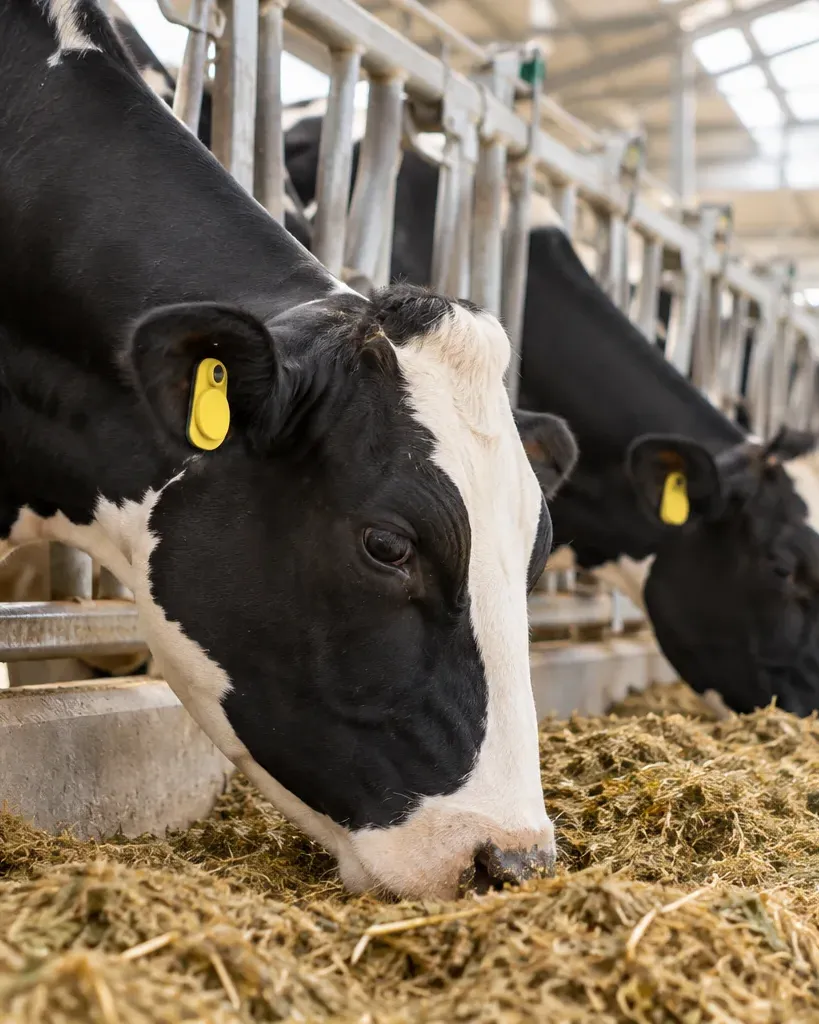
Dairy Farms
Optimize reproduction, detect health issues early, and reduce labor through automated monitoring.
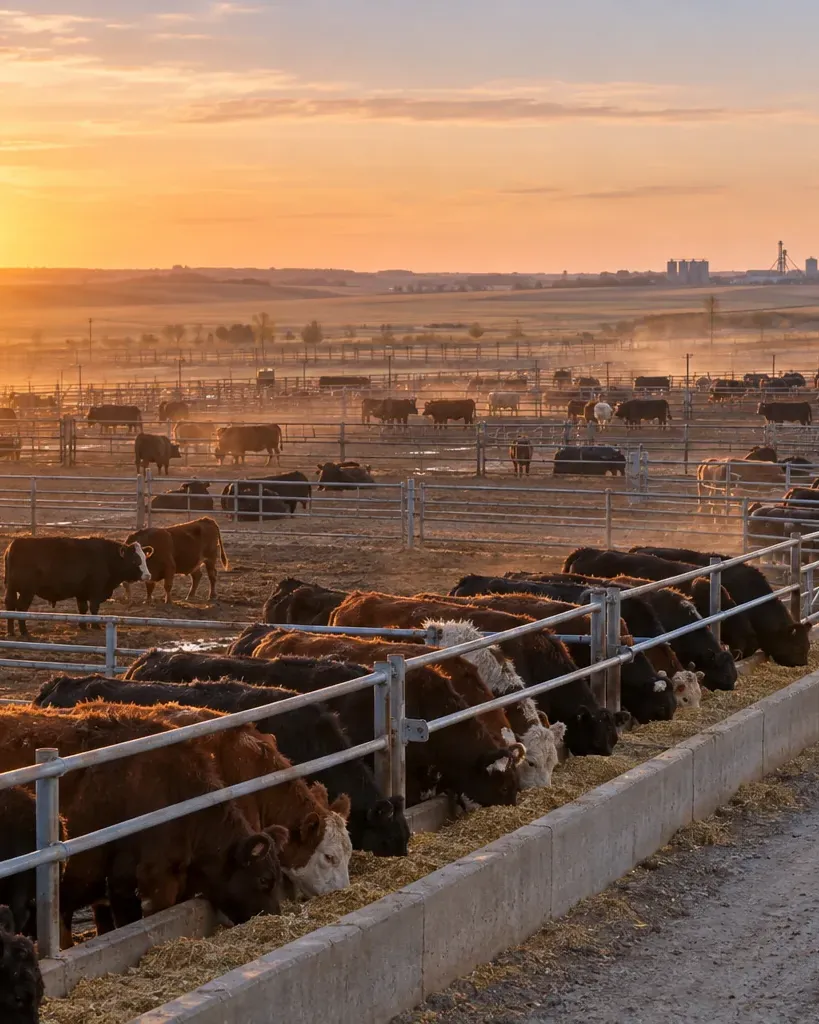
Beef Operations
Track health and location across large pastures with minimal infrastructure investment.

Ranch Management
Deploy at scale across thousands of head with private network infrastructure.
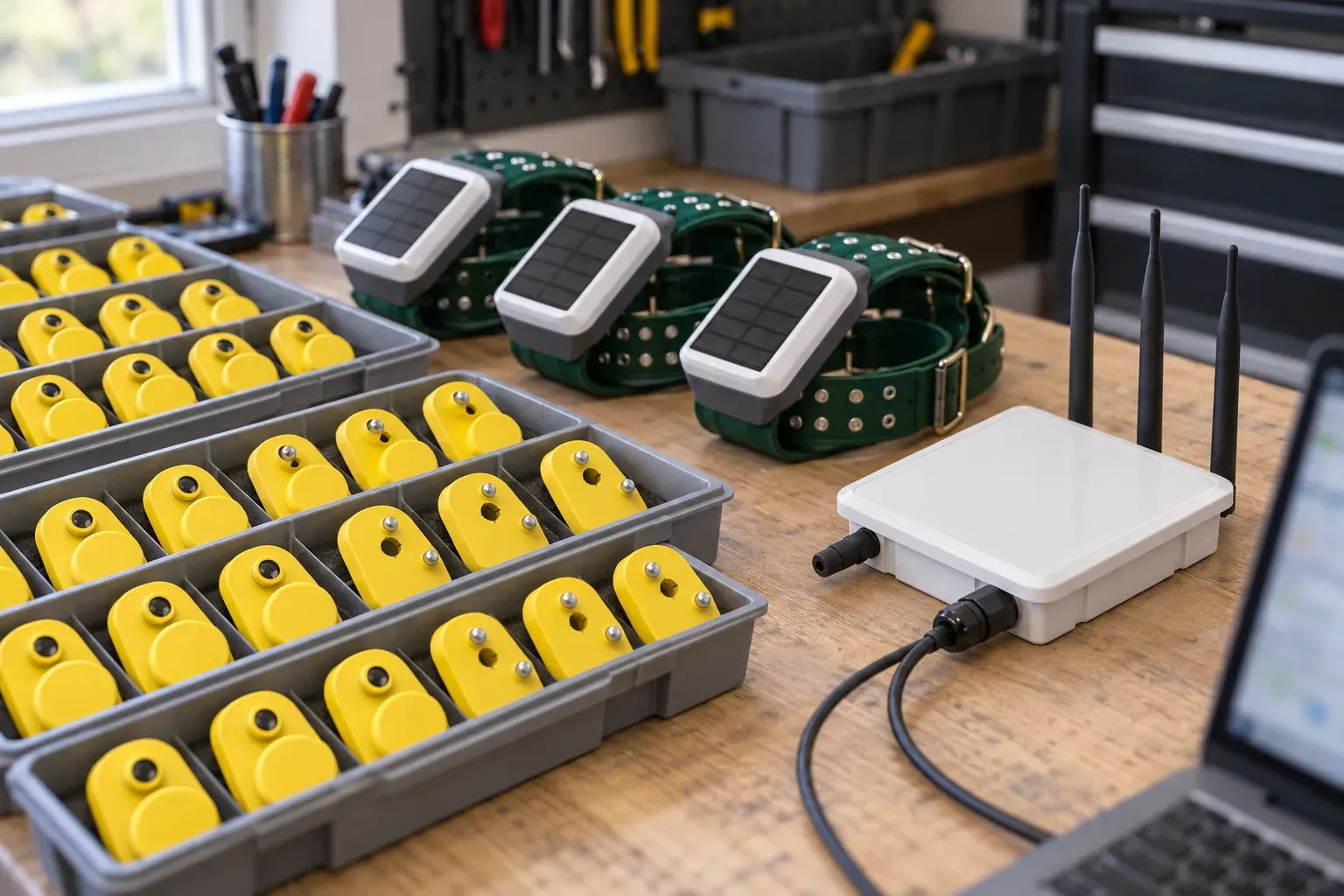
Ready to Deploy Livestock Intelligence?
Schedule a platform briefing to discuss deployment scope, infrastructure requirements, and expected ROI for your operation.