Solutions
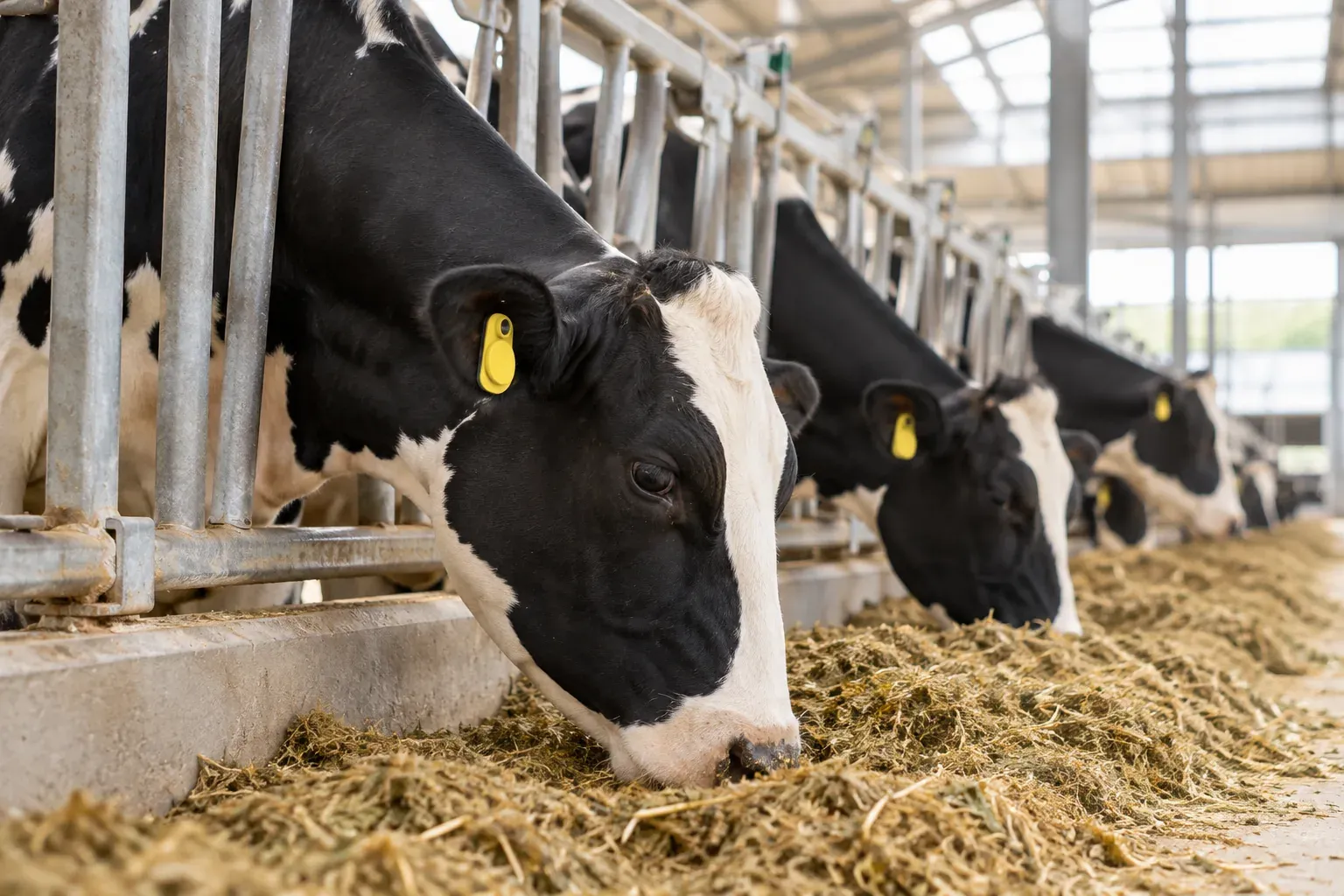
Dairy Farm Intelligence
Automated monitoring that reduces labor, improves reproduction, and catches health issues before they impact production.
Dairy Operation Challenges
Missed estrus events leading to extended calving intervals and lost production
Late detection of mastitis, ketosis, and metabolic disorders
High labor cost for twice-daily health observation across large herds
Difficulty tracking individual animal performance in herds above 200 head
How Herdwize Addresses These Challenges
Automated Estrus Detection
Behavioral pattern analysis detects heat events with 92% accuracy, including nocturnal activity that visual observation misses. Alerts are delivered 6-12 hours before standing heat.
Early Mastitis Warning
Temperature deviations and activity pattern changes flag potential mastitis cases 24-48 hours before clinical symptoms manifest, enabling proactive treatment.
Activity Monitoring
Continuous step-count tracking identifies animals with depressed activity — an early indicator of digestive issues, lameness, and stress events. Rumination monitoring is on the Herdwize roadmap.
Individual Performance Tracking
Each animal's health, activity, and reproductive history is logged automatically, creating a complete digital record accessible from any device.
Expected Outcomes
- 12-18% improvement in conception rate
- 40% reduction in clinical mastitis treatment costs
- 60% reduction in manual observation labor
- Complete individual animal health records
How Herdwize Works for Dairy Operations
The Herdwize dairy monitoring system integrates directly into your existing milking and management routines without disrupting workflows. Here is how the system operates from installation through daily use.
1. Sensor Deployment
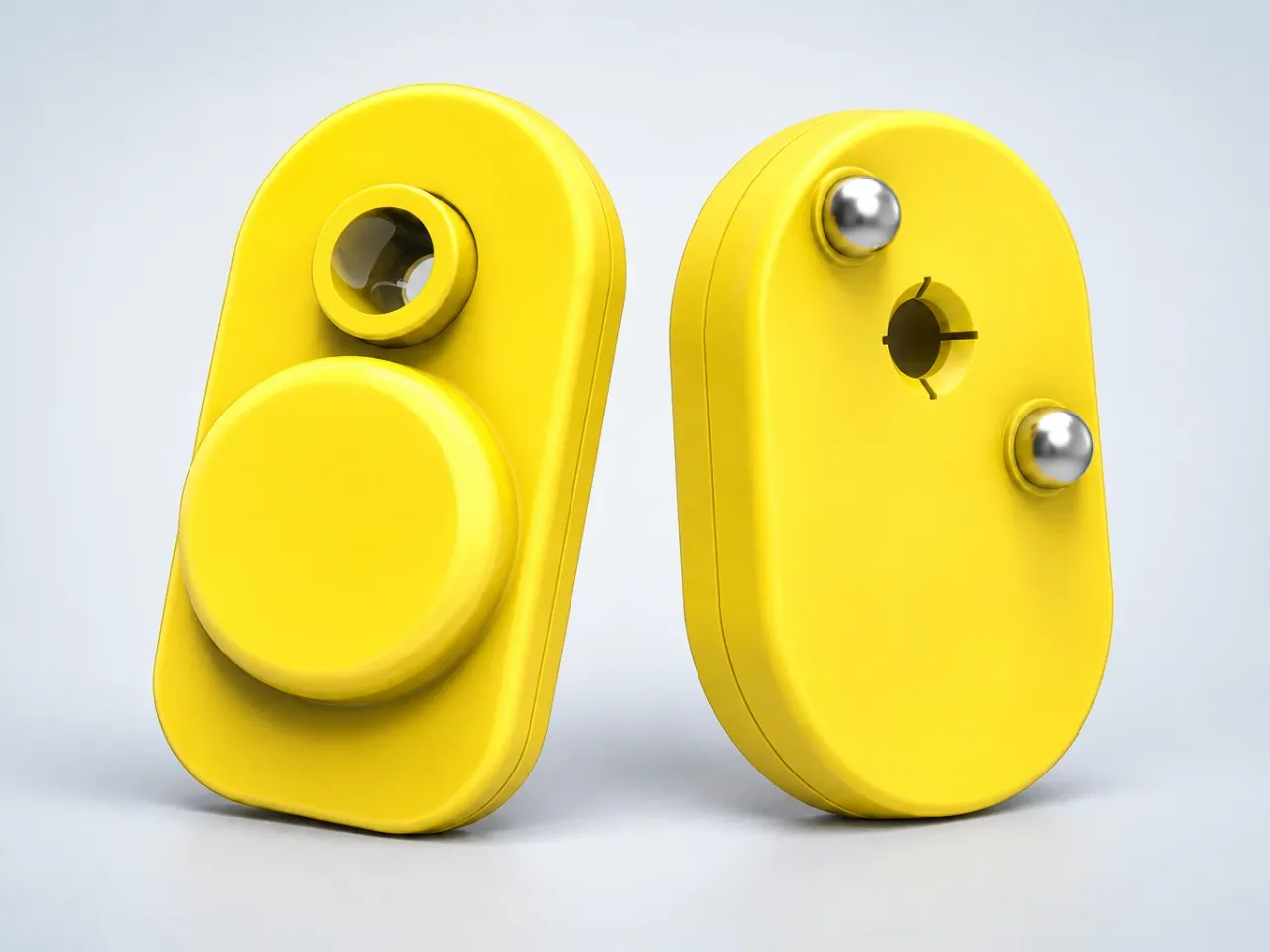
Smart Eartags are applied to each animal using standard ear tag applicators during routine handling — no veterinary visit required. Each tag begins reporting body temperature and activity (step counts) within minutes of activation.
2. Network Coverage
One or more Herdwize LoRa gateways are installed to cover the milking parlor, holding areas, and pasture zones. A single gateway covers a 5 km radius in open areas, so most dairy operations need only 1-2 gateways for full coverage.
3. Baseline Learning
During the first 7-14 days, the AI engine establishes individual behavioral baselines for each animal — learning her normal temperature range and daily activity rhythm. This per-animal calibration is what enables high-accuracy anomaly detection.
4. Continuous Monitoring & Alerts
Once baselines are established, the system monitors 24/7. Alerts are delivered via mobile app push notification, SMS, or email when behavioral deviations exceed configured thresholds. Estrus alerts are sent 6-12 hours before standing heat to optimize insemination timing.
Key Performance Metrics for Dairy
- Estrus detection accuracy
- 92%
- Herdwize field validation, n=1,200 cycles
- Early mastitis warning window
- 24-48 hr
- Pre-clinical detection vs. visual observation
- Improvement in first-service conception rate
- 15-20%
- Compared to visual-only estrus detection
- Reduction in manual observation labor
- 60%
- Based on 500-head dairy deployment data
- Typical payback period
- < 12 mo
- Based on subscription model ROI analysis
Parlor and Management Software Integration
Herdwize is designed to complement, not replace, your existing dairy management software. The platform provides an open API for data export and integration with popular herd management systems.
- Automatic health flag sync with your existing herd management software
- Estrus and breeding event data exportable in standard CSV and JSON formats
- API access for custom integration with milking parlor automation systems
- Compatible with DairyComp, PCDart, and other common dairy management platforms
- Individual animal health timelines accessible from any web browser or the Herdwize mobile app

Illustrative interface
Seasonal and Transition Period Monitoring
Dairy cows face heightened health risks during specific periods: the transition from dry to lactation (3 weeks pre-calving to 3 weeks post-calving), heat stress events in summer, and the first 30 days in milk when metabolic disorders peak. Herdwize's continuous monitoring is particularly valuable during these high-risk windows.
Transition cow monitoring detects sub-clinical ketosis through activity depression and temperature changes before blood ketone testing would typically identify it
Heat stress alerting flags animals showing temperature spikes above 39.5°C combined with changes in activity — enabling proactive cooling interventions
Post-calving monitoring tracks the return to normal behavioral patterns and flags cows that show delayed recovery, retained placenta indicators, or metritis symptoms
Seasonal baseline adjustment prevents false alerts when herd-wide behavioral patterns shift due to weather, feed changes, or management routine modifications
Dairy-Specific ROI Breakdown
The economic impact of automated monitoring varies by herd size and management intensity. Below are representative ranges based on industry-published data and Herdwize deployment results.
Frequently Asked Questions — Dairy
How does Herdwize detect estrus differently from activity-only monitors?
Will Herdwize work with our existing milking parlor system?
What happens if our internet goes down?
How long does installation take for a 300-cow dairy?
Is the eartag comfortable for the animal?
Explore Other Solutions
Ready to Deploy Livestock Intelligence?
Schedule a platform briefing to discuss deployment scope, infrastructure requirements, and expected ROI for your operation.