Feedlot and beef

Resources

ROI Model

A transparent, numbers-driven model for evaluating the economic impact of Herdwize deployment. Based on published industry data and field deployment results.

Herdwize detection rate
92%
Mortality reduction
30-50%
Daily labor saved
4–6 hours
Typical payback period
Under 12 months

Cost of Missed Estrus

Each missed estrus cycle extends the calving interval by approximately 21 days. This translates to additional feed costs, lost milk production (dairy), extended days on feed (beef), and reduced lifetime productivity.

Cost per missed cycle
$500+
Visual detection rate
50-60%
Herdwize detection rate
92%
Annual savings / 100 head
$15,000–$25,000

Cost of Late Disease Detection

Animals treated within the first 24 hours of illness onset have significantly higher recovery rates and lower treatment costs. Visual observation typically identifies illness 24-72 hours after the optimal treatment window.

Early treatment cost
$25–$50
Late treatment cost
$75–$150
Mortality reduction
30-50%
Annual savings / 100 head
$5,000–$12,000

Labor Reduction

Automated monitoring replaces routine visual observation. For a 500-head operation with twice-daily checks, this represents approximately 4-6 hours of labor per day that can be redirected to higher-value activities.

Daily labor saved
4–6 hours
Annual labor value
$25,000–$40,000

Based on: $20-25/hr labor cost, 500-head operation

ROI by Herd Size

The economic benefit of automated monitoring scales with herd size. Below are estimated annual benefit ranges for three operation sizes, based on dairy operations with mixed estrus detection and health monitoring use cases.

Herd Size

Total Annual Benefit

$30,000–$52,000

100 Head

Estimated Payback

6-12 months

Conception Savings
$15,000–$25,000
Health Detection Savings
$5,000–$12,000
Labor Reduction
$10,000–$15,000

Subscription vs. Traditional CAPEX

Traditional livestock monitoring systems require $50,000-$150,000 upfront for a 500-head operation. Herdwize's subscription model converts this to a predictable monthly operating expense with no upfront hardware investment.

Traditional CAPEX Model

Upfront Cost
$50,000–$150,000
Ongoing
$5,000–$10,000/year maintenance
Risk
Technology obsolescence risk

Herdwize Subscription

Upfront Cost
$0
Ongoing
Per-animal monthly fee
Included
Hardware replacement warranty included
Compare Monitoring Options
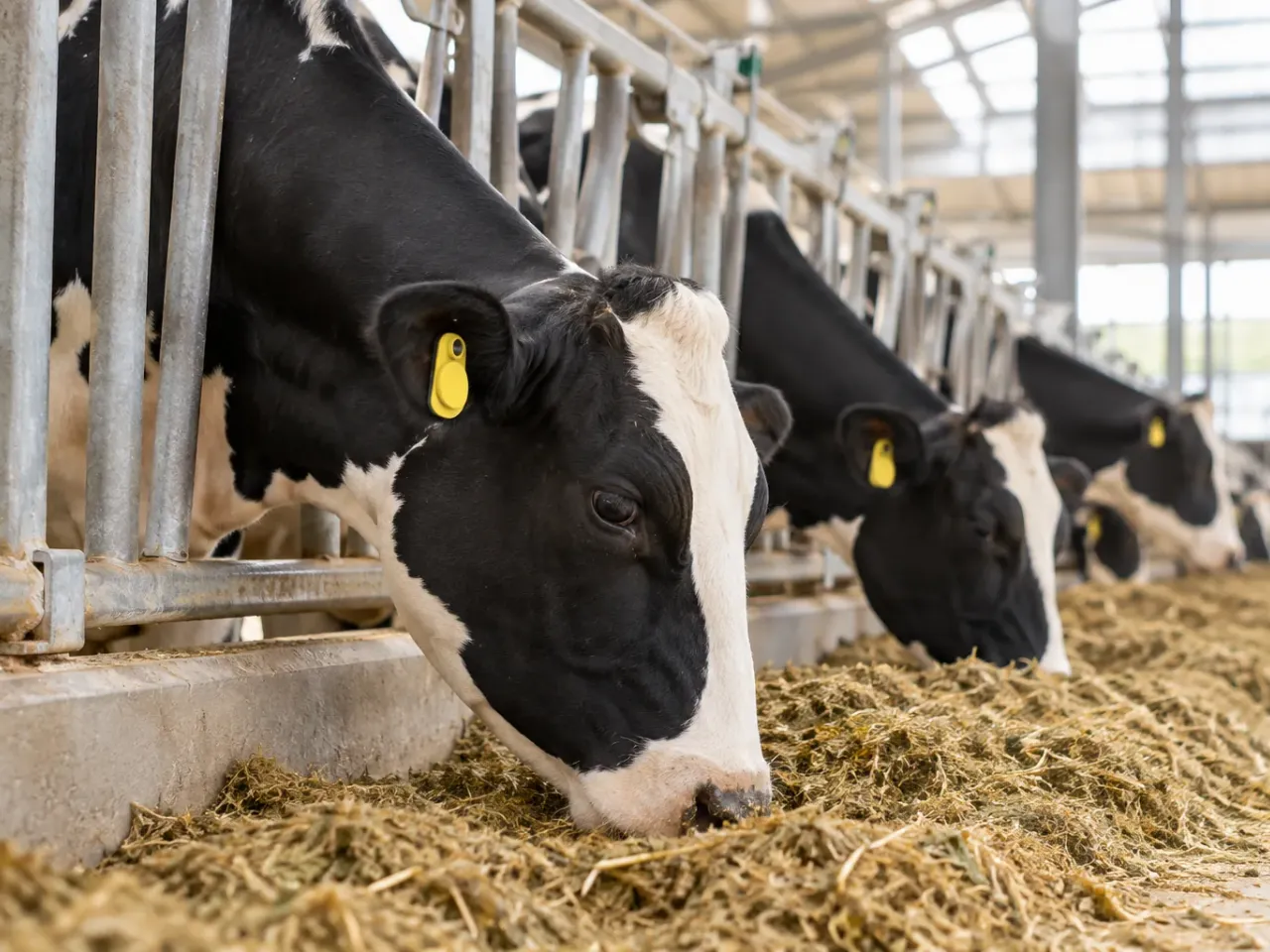
Tagged cattle at the feed fence

Sample ROI: 500-Head Dairy Operation

Improved conception rate savings$75,000–$125,000/year
Early health detection savings$25,000–$60,000/year
Labor reduction value$25,000–$40,000/year
Total estimated annual benefit$125,000–$225,000/year
Herdwize annual subscription costContact for pricing
Typical payback periodUnder 12 months

5-Year Total Value Projection (500-Head Dairy)

Monitoring benefits compound over time as reproductive performance improvements cascade through subsequent breeding seasons, and as the AI engine accumulates more individual animal data for increasingly accurate predictions.

5-Year cumulative benefit

$645,000–$1,165,000

  1. Year 1 — Baseline + calibration

    $100,000–$180,000

  2. Year 2 — Full accuracy achieved

    $125,000–$225,000

  3. Year 3 — Herd genetics improvement visible

    $130,000–$240,000

  4. Year 4 — Reduced involuntary culling effect

    $140,000–$250,000

  5. Year 5 — Compounding genetic + health gains

    $150,000–$270,000

Methodology & Sources

The ROI estimates on this page are derived from published peer-reviewed research, industry reports, and Herdwize field deployment data. All figures represent ranges rather than precise values to reflect variation between operations.

  1. Cost of missed estrus cycle: $500+

    De Vries, A. (2006). "Economic value of pregnancy in dairy cattle." Journal of Dairy Science, 89(10), 3876-3885. Updated for inflation.

  2. Visual estrus detection rate: 50-60%

    Roelofs, J. et al. (2010). "When is a cow in estrus? Clinical and practical aspects." Theriogenology, 74(3), 327-344.

  3. Early vs. late BRD treatment cost differential

    Theurer, M.E. et al. (2015). "Assessment of behavioral changes associated with oral meloxicam administration at time of BRD diagnosis." Journal of Animal Science, 93(10).

  4. Mastitis treatment cost ranges

    Halasa, T. et al. (2007). "Economic effects of bovine mastitis and mastitis management: A review." Veterinary Quarterly, 29(1), 18-31.

  5. Farm labor costs ($20-25/hr)

    Statistics Canada, Table 32-10-0048-01. Farm operating expenses and depreciation charges.

  6. BRD industry cost: $900M+ annually

    USDA APHIS. "Feedlot 2011 Part IV: Health and Health Management on U.S. Feedlots." National Animal Health Monitoring System.

  7. Involuntary culling rates and costs

    USDA NAHMS (2014). "Dairy 2014: Dairy Cattle Management Practices in the United States." National Animal Health Monitoring System.

Ready to Deploy Livestock Intelligence?

Schedule a platform briefing to discuss deployment scope, infrastructure requirements, and expected ROI for your operation.