Compare
Multi-Sensor vs Activity-Only Livestock Monitors
A detailed comparison of multi-sensor platforms that combine temperature, motion, and GPS data against single-sensor activity monitors that rely on pedometer or accelerometer data alone.
Understanding the Difference
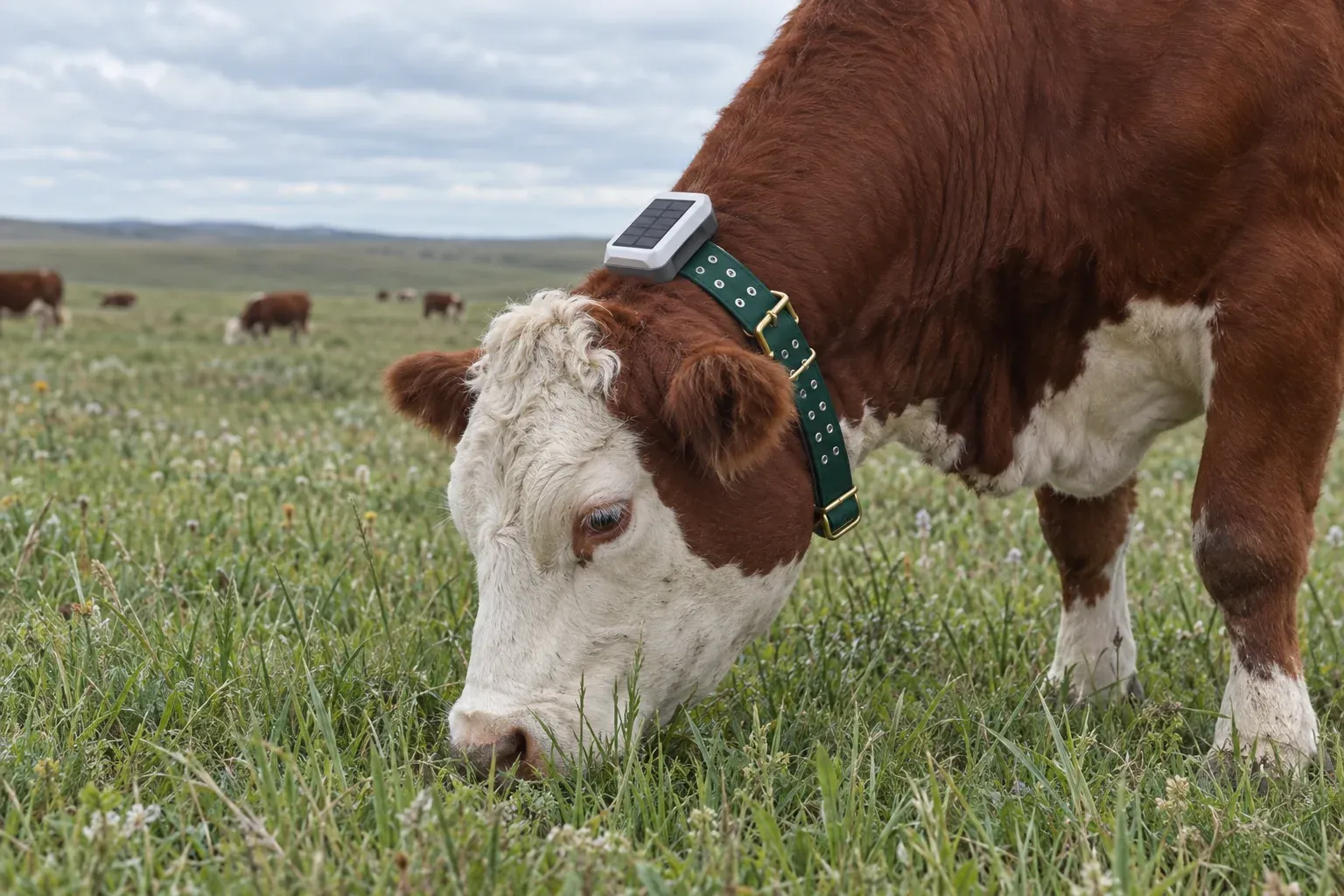
Livestock monitoring systems vary significantly in their sensing capabilities. Activity-only monitors (pedometer-based or single-axis accelerometer) measure movement and rest patterns to infer estrus and health status. Multi-sensor platforms combine body temperature, activity, and GPS location data to build a comprehensive behavioral profile for each animal. This fundamental difference in data input drives meaningful differences in detection accuracy, prediction lead time, and operational value.
Feature Comparison
| Feature | Multi-Sensor | Activity-Only |
|---|---|---|
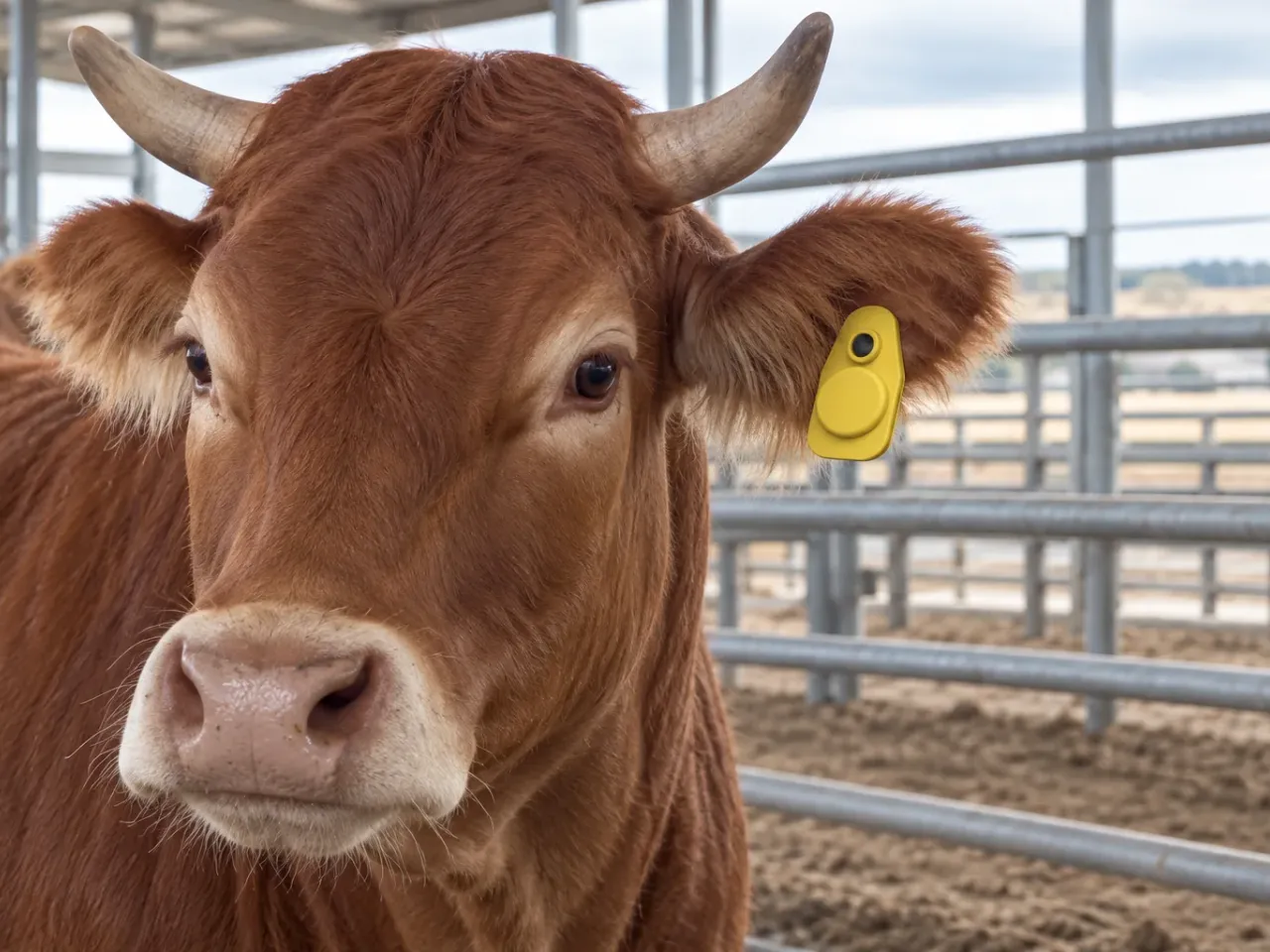
| Sensors | Body temperature + activity (step counts) + GPS | Single-axis accelerometer or pedometer |
| Estrus Detection Accuracy | 88-95% (peer-reviewed range) | 60-80% (Roelofs et al., 2010) |
| Health Prediction | 48-72 hours before clinical signs (temperature + behavior) | Limited — activity drop only, typically 12-24 hours |
| False Positive Rate | Lower — multi-signal confirmation reduces false alerts | Higher — single metric cannot distinguish estrus from injury or stress |
| Location Tracking | 1–5 m GPS (collars) with geofencing | Not available |
| Body Temperature | Yes — ±0.1 °C ear-tag accuracy (36–38 °C) | Not available |
| Battery Life | 2–4 years (ear tags); solar collars with a 5-year service life | 1-3 years typically |
| Data Richness | Temperature, activity, and location history per animal | Activity level only (high/medium/low) |
| Network | Private LoRa (5 km radius per gateway in open areas, no cellular cost) | Varies — some cellular, some proprietary RF |
| Cost Model | Subscription includes hardware + cloud + support | Capital purchase + optional cloud subscription |
Why Multi-Sensor Monitoring Matters
The core advantage of multi-sensor monitoring is signal confirmation. A single data point — like reduced activity — can indicate estrus, illness, injury, weather stress, or simply a change in social dynamics. By combining temperature trends, activity patterns, and location data, multi-sensor platforms can distinguish between these causes with significantly higher confidence.

Temperature rise of 0.3-0.5°C confirms estrus when combined with increased activity — reducing false positives by 40-60% compared to activity-only systems (Sakatani et al., 2016)
A body-temperature rise of 0.5-1.5°C above an animal's own baseline is an early indicator of infection that activity-only systems cannot detect
GPS location data enables geofencing, grazing pattern analysis, and predator/theft alerts — capabilities completely absent from activity monitors
Combined behavioral scoring enables health risk prediction 48-72 hours before clinical symptoms, compared to 12-24 hours for activity-only approaches (Pillen et al., 2016)
Frequently Asked Questions
Are multi-sensor systems more expensive?
Can activity-only monitors detect health issues?
Which system is better for estrus detection specifically?

Ready to Deploy Livestock Intelligence?
Schedule a platform briefing to discuss deployment scope, infrastructure requirements, and expected ROI for your operation.