Key Takeaways
- Each missed estrus cycle costs $500–$800 per cow — and the losses compound with every 21-day delay across a breeding season
- Cows entering breeding season below BCS 5 (beef) or 2.75 (dairy) have conception rates 15–25% lower than properly conditioned animals
- Multi-sensor automated heat detection achieves 90–95% detection accuracy, catching the 50–70% of heats that occur overnight
- Bull breeding soundness exams (BSE) identify 15–20% of bulls as subfertile or unsatisfactory before they waste an entire breeding season
- Early pregnancy confirmation at 28–35 days post-breeding allows producers to re-breed open cows within the same season window
Breeding season is the most economically consequential period in any cow-calf or breeding operation's calendar. The decisions made — and the preparation completed — in the 60–90 days before bull turnout or AI programs begin will determine conception rates, calving distribution, weaning weights, and ultimately the operation's profitability for the next 12–18 months. Yet many producers approach breeding season reactively, addressing problems after they have already cost money rather than systematically eliminating risk factors beforehand.
This article provides a structured, evidence-based approach to breeding season preparation — from pre-breeding body condition and nutrition management through heat detection technology selection, synchronization protocols, and post-breeding pregnancy confirmation. Whether you run a 100-head cow-calf operation or a 2,000-head commercial breeding program, the principles and economics are the same: every percentage point improvement in conception rate translates directly to revenue.
Pre-Breeding Checklist: 60–90 Days Before Turnout
The foundation of a successful breeding season is laid months before the first cow is bred. The 60–90 day pre-breeding window is when correctable problems — body condition deficiencies, nutritional gaps, bull soundness issues, and vaccination timing — can be addressed without compromising conception rates. Waiting until turnout to discover these problems means an entire breeding cycle (or more) is already lost.
Body Condition Scoring
Body condition score (BCS) at breeding is the single strongest predictor of conception success. Research from multiple land-grant universities consistently shows that beef cows at BCS 5–6 (on the 1–9 scale) at the start of breeding season have first-service conception rates of 55–65%, while cows at BCS 4 or below drop to 35–45%. The relationship is even more pronounced in first-calf heifers, where thin body condition delays the resumption of estrous cycling after calving by 20–40 days.
For dairy operations using the 1–5 BCS scale, the target at breeding is 2.75–3.25. Cows below 2.5 at first service have significantly higher days open and require more services per conception. The challenge in dairy is that high-producing cows are in negative energy balance during early lactation precisely when they need to resume cycling — making pre-calving condition and transition period nutrition critical upstream investments.
Assess BCS at 90 days pre-breeding to allow adequate time for thin cows to gain condition. A cow in BCS 4 needs approximately 60–75 days of supplemental nutrition to reach BCS 5, assuming 1.5–2.0 lbs/day of additional energy intake above maintenance. Waiting until 30 days before turnout leaves insufficient time for meaningful body condition improvement.
Nutrition Flushing
Flushing — increasing the plane of nutrition 2–3 weeks before and through the first 2–3 estrous cycles — has been shown to increase ovulation rates and improve conception in both beef and dairy cattle. The mechanism is primarily hormonal: rising energy intake stimulates increased LH pulse frequency and follicular development, resulting in a more robust ovulatory follicle and a more favorable uterine environment for embryo implantation.
For beef cows on pasture, flushing typically involves providing 3–5 lbs/day of supplemental energy (grain, dried distillers grains, or energy-dense byproducts) beginning 14–21 days before bull turnout. For dairy cows, the strategy focuses on minimizing the severity of negative energy balance in early lactation through optimized transition diets, rumen-protected fats, and adequate effective fiber to maintain intake.
The return on flushing investment is well-documented: a meta-analysis of 23 studies published in the Journal of Animal Science found that energy supplementation during the breeding period improved first-service conception rates by 8–12 percentage points compared to non-supplemented controls — an improvement worth $40–$96 per cow at $500 per missed cycle.
Bull Breeding Soundness Examination
A subfertile bull is the most expensive problem in a breeding program because it affects every cow in his breeding group. The Society for Theriogenology recommends a complete BSE — including physical examination, scrotal circumference measurement, and semen evaluation (motility, morphology, concentration) — for every bull at least 60 days before the start of breeding season.
Industry data consistently shows that 15–20% of bulls tested are classified as either unsatisfactory or questionable at the time of BSE. Without testing, these bulls would be turned out with cows, resulting in missed breedings, extended calving seasons, and open cows at pregnancy check. At a BSE cost of $50–$100 per bull, the exam is arguably the highest-ROI investment in the entire pre-breeding program.
Vaccination Timing
Reproductive vaccines — particularly those targeting IBR (BHV-1), BVD, leptospirosis, and vibriosis — should be administered at least 30–60 days before breeding to allow full immune response development without risking vaccine-induced embryonic loss. Modified-live virus (MLV) vaccines for IBR/BVD, while offering superior immune protection, can cause abortion if administered to pregnant animals or during early gestation. Timing these vaccines in the pre-breeding window eliminates this risk while maximizing protection during the critical conception period.
The Economics of Missed Heats
Every estrus cycle that goes undetected or results in a failed breeding attempt delays conception by 21 days. While a single missed cycle may seem manageable, the economics compound rapidly across a herd and across a breeding season.
For a beef cow-calf operation, a calf born 21 days later than its contemporaries will wean 30–50 lbs lighter, representing $60–$125 in lost revenue at current calf prices. Multiply that across 50 cows that missed their first cycle, and the cost of poor heat detection alone exceeds $3,000–$6,250 — before accounting for the extended feed costs of maintaining those cows for an additional 21 days of gestation.
For dairy operations, each additional day open beyond the voluntary waiting period costs approximately $3–$5 per day in lost milk revenue, increased maintenance feed, and delayed replacement heifer production. A cow that misses two cycles (42 additional days open) costs the operation $126–$210 in direct losses plus the compounding effects on lifetime production.
The total herd-level impact is staggering. A 500-head beef operation with a 30% heat miss rate across a 63-day breeding season loses approximately $75,000–$120,000 annually in delayed conceptions, lighter calves, open cows, and involuntary culling. For a detailed breakdown of monitoring economics, see our ROI analysis and complete cost-benefit analysis for commercial operations.
Heat Detection Methods Compared
The accuracy of heat detection directly determines how many eligible cows are presented for breeding at the optimal time. No amount of semen quality, synchronization protocol optimization, or nutritional management can compensate for a heat that was never detected. The table below compares the four primary detection approaches used in commercial operations today.
| Method | Detection Rate | 24/7 Coverage | Labor Demand | Cost per Head/Year | Silent Heat Detection |
|---|---|---|---|---|---|
| Visual observation (2x/day) | 50–60% | No | High | $15–$30 (labor) | None |
| Tail paint / scratch cards | 55–70% | Partial | Medium | $3–$8 | None |
| Activity monitors (pedometer/collar) | 70–80% | Yes | Low | $20–$50 | Limited |
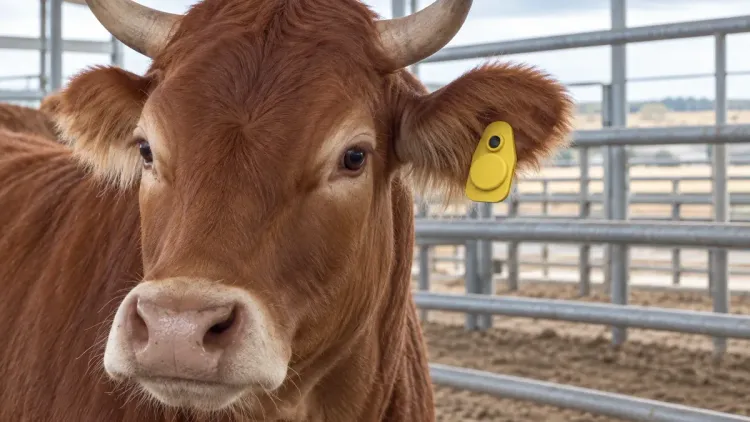
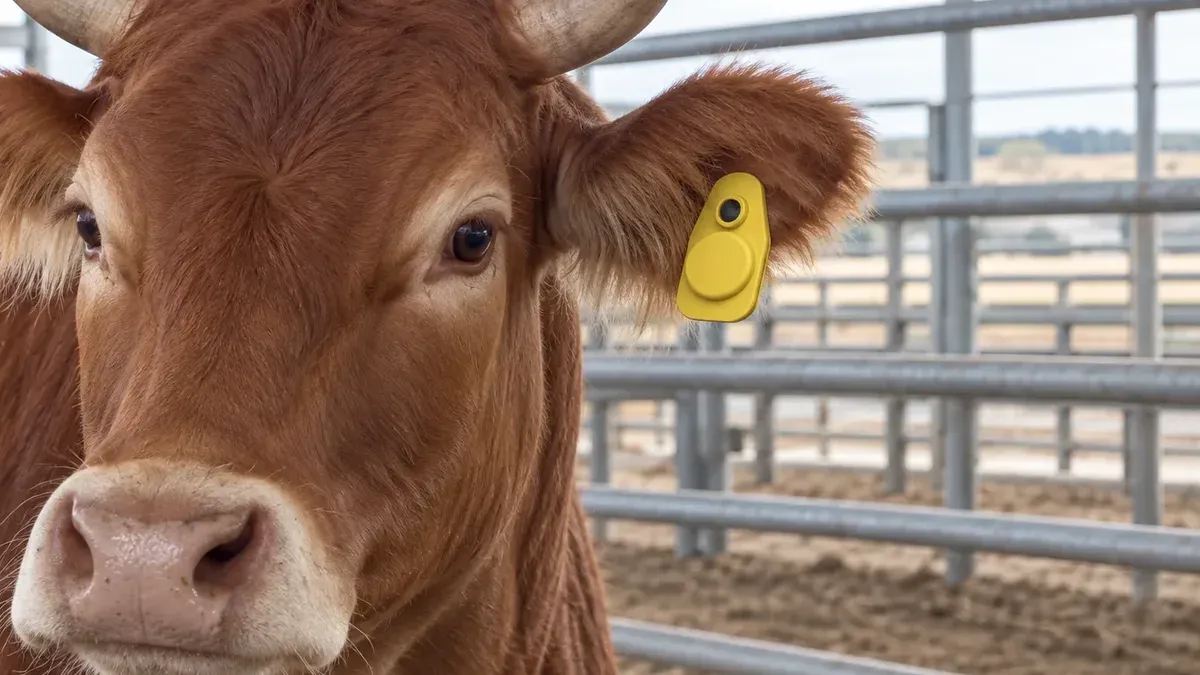
| Multi-sensor IoT eartag | 90–95% | Yes | Minimal | $25–$60 | Yes (temp + behavior) |
Visual observation remains the default on many operations, but its limitations are well-documented. Standing heat duration in modern cattle has compressed to 6–8 hours (down from 15–18 hours in the 1970s), and up to 70% of mounting activity occurs between 7 PM and 7 AM. Tail paint and scratch cards improve coverage slightly by recording mounting events that occur between observations, but they cannot detect silent heats — estrus events where the cow ovulates without exhibiting overt mounting behavior — which account for 10–25% of all cycles in dairy cattle.
Multi-sensor systems combining activity (step count) data with continuous body temperature monitoring represent the current state of the art. Temperature rises of 0.3–0.5 degrees C during estrus provide an independent physiological confirmation channel that catches heats missed by activity-only systems, including the critical category of silent heats. For a deeper technical analysis, see our articles on estrus detection technology and automated heat detection cost analysis.
Synchronization Protocols and When They Make Sense
Estrus synchronization allows producers to control the timing of heat expression across a group of cows, enabling timed artificial insemination (TAI) without the need for individual heat detection. While synchronization adds pharmaceutical and labor costs, it can dramatically improve breeding efficiency in operations where heat detection is a bottleneck.
CIDR-Based Protocols
Controlled internal drug release (CIDR) devices deliver progesterone intravaginally over 7 days, suppressing premature ovulation and synchronizing follicular wave development. Upon CIDR removal, the drop in progesterone triggers a predictable LH surge and ovulation within 48–72 hours. CIDR protocols are widely used in beef cow-calf operations and achieve synchronized breeding rates of 55–65% on timed AI, with total protocol costs of $15–$25 per cow including the device, prostaglandin injection, and GnRH.
CIDRs are particularly valuable for first-calf heifers and anestrous postpartum cows, as the exogenous progesterone can induce cycling in animals that have not yet resumed estrous activity. In herds where 20–30% of cows are anestrous at the start of breeding season, CIDR-based protocols can recover a substantial proportion of animals that would otherwise be missed entirely.
Ovsynch Protocol
The Ovsynch protocol (GnRH — 7 days — PGF2-alpha — 56 hours — GnRH — 16 hours — TAI) is the standard synchronization approach in dairy operations. It eliminates the need for heat detection entirely by precisely timing ovulation relative to insemination. Expected conception rates to timed AI with Ovsynch range from 30–40% in lactating dairy cows, which is comparable to or slightly below conception rates achieved with detected natural heats (35–45%).
Pre-synchronization protocols (Presynch-Ovsynch, Double-Ovsynch) improve results by ensuring cows are at the optimal stage of the estrous cycle when the Ovsynch sequence begins. Double-Ovsynch has been shown to increase first-service conception rates by 8–10 percentage points compared to standard Ovsynch in dairy operations.
Natural Service
For many beef operations, natural service remains the most practical breeding approach. When combined with a structured pre-breeding program — BSE-tested bulls, adequate bull-to-cow ratios (typically 1:20 to 1:25 for mature bulls), and proper bull rotation — natural service can achieve season conception rates of 90–95% over a 60–90 day breeding period.
The key risk with natural service is the undetected subfertile or injured bull. A bull that passes his BSE in March but develops a foot injury or loses libido mid-season can result in dozens of open cows before the problem is identified. This is where continuous monitoring technology provides a critical safety net: activity sensors and GPS collars on breeding bulls can detect declines in movement and breeding activity that indicate injury, illness, or exhaustion — alerting producers to intervene before an entire breeding group is compromised.
Monitoring Breeding Performance in Real Time
Traditional breeding management operates largely in the dark. Producers may not know whether a cow was bred on a particular day, whether she returned to heat 21 days later indicating a failed conception, or whether a bull has stopped working. This information gap means problems are typically discovered at pregnancy checking — 60–90 days after the damage is done.
Continuous monitoring technology closes this gap by providing real-time visibility into breeding activity and reproductive status throughout the season. Multi-sensor eartags track each cow's activity patterns, body temperature, and behavioral changes 24 hours a day, enabling several capabilities that fundamentally change breeding management.
Silent Heat Detection
Silent heats — ovulation events without overt behavioral signs — are the most commonly missed breeding opportunities in both beef and dairy operations. They account for an estimated 10–25% of all estrous cycles, with higher incidence in high-producing dairy cows, first-calf heifers, and cows in heat stress conditions. Because silent heats lack the mounting behavior that visual observation and tail paint rely on, only multi-sensor systems that combine activity data with physiological indicators (primarily body temperature elevation) can reliably detect them.
Return-to-Heat Monitoring
After a cow is bred, the most valuable piece of information is whether she returns to estrus 18–24 days later, indicating the breeding did not result in conception. Continuous monitoring automatically flags return-to-heat events, allowing the cow to be rebred immediately rather than waiting until pregnancy check to discover she is open. In a tightly managed AI program, catching a return to heat and rebreeding on the second cycle can mean the difference between a cow that conceives within the breeding window and one that is culled as open.
Bull Activity Tracking
For natural service herds, monitoring bull activity and movement patterns provides early warning of breeding problems. A sharp decline in a bull's daily activity or a change in his association patterns with the cow group can indicate lameness, injury, or reduced libido — conditions that may be invisible during periodic visual checks but are clearly evident in continuous sensor data. Learn more about how the Herdwize breeding intelligence solution addresses these challenges.
Post-Breeding: Confirming Pregnancy Early
Early pregnancy confirmation is the final critical step in breeding season management. The sooner open cows are identified, the sooner they can be re-synchronized and rebred — or, if the breeding season window has closed, the sooner culling and replacement decisions can be made to avoid carrying unproductive animals through winter feeding.
Ultrasound at 28–35 Days
Transrectal ultrasonography allows pregnancy diagnosis as early as 28 days post-breeding, with accuracy rates exceeding 95% in experienced hands. At this stage, the embryonic heartbeat is visible, and fetal viability can be confirmed. Ultrasound also enables determination of fetal sex (at 60–70 days), twin detection, and estimation of fetal age for cows with uncertain breeding dates.
The economic value of early ultrasound is substantial. A cow confirmed open at day 30 can be re-synchronized and rebred by day 40–45 — catching the next cycle within the breeding window. A cow not checked until day 90 has already wasted 60 days of feed and management resources, and her options for rebreeding within a controlled calving season are severely limited.
Blood and Milk Pregnancy Tests
Pregnancy-associated glycoprotein (PAG) tests using blood samples can confirm pregnancy as early as 28 days post-breeding, while milk-based PAG tests (for dairy operations) can be run on routine DHI samples starting at 35 days. These tests offer a lower-cost alternative to ultrasound ($3–$5 per test vs. $5–$8 for ultrasound) and can be performed by farm staff without veterinary scheduling.
However, PAG tests provide only a positive/negative result — they cannot assess fetal viability, detect twins, or determine fetal sex. For high-value breeding stock where these details influence management decisions, ultrasound remains the preferred method for initial confirmation, with PAG tests serving as an efficient tool for monitoring pregnancy maintenance in subsequent checks.
Continuous Monitoring as a Complement
IoT-based monitoring provides an ongoing pregnancy maintenance signal between formal checks. Cows that experience early embryonic death (which occurs in 5–10% of confirmed pregnancies between days 28 and 60) will show return-to-estrus behavioral and temperature patterns that trigger alerts, enabling rapid rebreeding rather than waiting for the next scheduled pregnancy check to discover the loss.
Frequently Asked Questions
How far in advance should I start preparing for breeding season?
What is the ideal bull-to-cow ratio for natural service breeding?
Can automated heat detection replace synchronization protocols entirely?
How do I know if silent heats are a problem in my herd?
Ready to Improve Your Breeding Season Outcomes?
See how continuous heat detection and breeding intelligence can increase your herd's conception rates and tighten your calving window.
Request a Platform Briefing