Key Takeaways
- Cattle respiratory disease costs the North American beef industry an estimated $800M–$900M annually in treatment, mortality, and lost performance (USDA APHIS)
- The BRD complex involves both viral triggers (IBR, BVD, PI3, BRSV) and bacterial pathogens (Mannheimia haemolytica, Pasteurella multocida), making prevention a multi-layered challenge
- Preconditioning programs that include vaccination 2–3 weeks before shipping can reduce feedlot morbidity by 50% or more compared to non-preconditioned calves
- Sensor-based monitoring detects respiratory disease indicators 24–72 hours before visible clinical signs, shifting treatment into the window where first-treatment success rates exceed 90%
- Chronic BRD survivors suffer $40–$100+ per head in carcass value losses due to reduced gain, lower quality grade, and increased condemnation rates at harvest
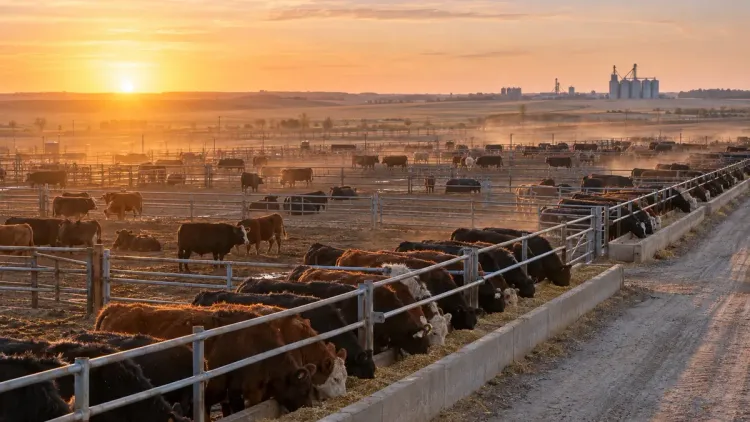
Cattle respiratory disease is the single most economically devastating health challenge in North American beef production. Across feedlots, cow-calf operations, backgrounding yards, and dairy replacements, respiratory illness accounts for more morbidity, mortality, treatment cost, and performance loss than any other disease category. Despite decades of research into vaccines, management practices, and antibiotic protocols, bovine respiratory disease remains stubbornly persistent — and the reasons why reveal fundamental gaps in how most operations approach prevention and detection.
This guide covers the full lifecycle of cattle respiratory disease: understanding the pathogens involved, identifying the risk factors that trigger outbreaks, building effective prevention protocols, recognizing early clinical signs, making treatment decisions, quantifying economic impact, and leveraging monitoring technology to change outcomes. Whether you manage a 200-head cow-calf operation or a 10,000-head feedlot, the principles apply — and the cost of getting them wrong is substantial.
Understanding the Bovine Respiratory Disease Complex
Bovine respiratory disease (BRD) is not a single disease caused by a single pathogen. It is a complex, multi-factorial syndrome in which stress, viral infections, and bacterial invasion interact to produce lung damage ranging from mild bronchitis to fatal pneumonia. Understanding this interaction is essential for effective cattle respiratory disease management because no single intervention — not a vaccine, not an antibiotic, not a management change — addresses the entire complex on its own.
Viral Triggers
Viral pathogens typically initiate the BRD cascade by damaging the respiratory epithelium and suppressing the local immune defenses that normally prevent bacterial colonization. The four primary viral agents are:
- Infectious Bovine Rhinotracheitis (IBR / BHV-1) — a herpesvirus that causes severe upper respiratory tract inflammation, damages mucosal barriers, and can establish latent infections that reactivate during stress
- Bovine Viral Diarrhea (BVD / BVDV) — an immunosuppressive pestivirus that compromises systemic immune function; persistently infected (PI) animals continuously shed the virus and are a major source of herd-level exposure
- Parainfluenza-3 (PI3) — damages the ciliated epithelium of the lower airways, impairing the mucociliary clearance that is the lungs' first mechanical defense against bacteria
- Bovine Respiratory Syncytial Virus (BRSV) — targets the lower respiratory tract, causing bronchiolitis and small airway damage, particularly in younger calves
These viruses rarely cause fatal disease on their own. Their primary role in cattle respiratory disease is to open the door for secondary bacterial infection by damaging the physical and immunological barriers of the respiratory tract.
Bacterial Pathogens
The bacteria that cause the most severe lung damage in BRD are often commensal organisms — they live in the upper airways of healthy cattle and only become pathogenic when viral damage and stress compromise the animal's defenses. The key bacterial agents include:
- Mannheimia haemolytica — the most commonly isolated bacterial pathogen in fatal BRD cases; produces leukotoxin that destroys white blood cells and causes the characteristic fibrinous pleuropneumonia seen at necropsy
- Pasteurella multocida — frequently isolated in chronic and subacute cattle pneumonia cases; tends to cause less acute but still economically significant lung consolidation
- Histophilus somni — capable of causing systemic disease beyond the lungs, including thrombotic meningoencephalitis and myocarditis, making it one of the more dangerous BRD-associated pathogens
- Mycoplasma bovis — increasingly recognized as a significant contributor to chronic, treatment-resistant BRD; lacks a cell wall, making it inherently resistant to beta-lactam antibiotics and many standard treatment protocols
The interaction between viral and bacterial components is what makes cattle respiratory disease so difficult to control. Vaccination against the viral triggers reduces the incidence of bacterial superinfection, but does not eliminate it — particularly under conditions of high stress.
Risk Factors That Increase Cattle Respiratory Disease
Understanding risk factors is where prevention begins. While every operation faces some level of respiratory disease risk, the severity and frequency of outbreaks are strongly influenced by management decisions and environmental conditions. Research consistently identifies the following as the most significant risk amplifiers.
Transportation Stress
Long-distance transportation is one of the strongest predictors of BRD outbreaks. The combination of physical stress, dehydration, fasting, sleep deprivation, and exposure to novel pathogens from commingled cattle suppresses immune function measurably. Studies show that cortisol levels in transported cattle remain elevated for 48–72 hours after arrival, and this immunosuppressive window coincides precisely with peak pathogen exposure in new environments. Cattle shipped more than 500 km show significantly higher BRD morbidity than those transported shorter distances.
Commingling
Mixing cattle from multiple sources — auction markets, different ranches, varied vaccination histories — creates a pathogen soup. Each group brings its own set of viral and bacterial strains, and the immune systems of newly commingled animals have no protection against unfamiliar strains. USDA NAHMS data indicates that feedlots receiving cattle from 3 or more sources experience 2–3 times higher BRD morbidity than those receiving cattle from a single source.
Weather and Season
Rapid temperature swings — particularly drops of 10°C or more within 24 hours — are strongly associated with respiratory disease outbreaks. Fall and winter months are the peak season for cattle respiratory disease across most of North America, driven by temperature volatility, increased confinement, and the timing of weaning and fall cattle runs.
Overcrowding and Poor Ventilation
High stocking density increases pathogen concentration in the air, reduces air quality, and elevates stress. In confinement facilities, inadequate ventilation allows ammonia, dust, and airborne pathogens to accumulate. Dairy operations housing replacement heifers in poorly ventilated barns see significantly higher cattle pneumonia rates than those with well-designed natural or mechanical ventilation systems.
Age and Immune Status
Young, recently weaned calves are the most vulnerable population. Passive immunity from colostral antibodies wanes between 3–6 months of age, often coinciding with the stress of weaning. Calves weaned and shipped on the same day — a practice still common in some regions — experience the highest BRD rates of any management scenario.
Prevention Protocols for Cattle Respiratory Disease
Effective BRD prevention is not a single action — it is a system of overlapping strategies that reduce risk at every stage from the ranch of origin through the receiving period. The most successful operations layer these approaches together.
Vaccination Programs
Vaccination remains the foundation of cattle respiratory disease prevention, but timing and protocol design matter enormously. A modified-live virus (MLV) vaccine administered 2–3 weeks before the stress event (weaning, shipping, or arrival) allows the immune system to mount a protective response before it is needed. Vaccines administered at the time of stress provide far less protection because the immunosuppressed animal cannot generate an adequate immune response.
A comprehensive respiratory vaccination program typically includes:
- Modified-live 5-way viral vaccine (IBR, BVD Types I and II, PI3, BRSV) — administered pre-weaning or at branding
- Booster dose 2–4 weeks after the initial vaccination, ideally before shipping
- Mannheimia haemolytica and Pasteurella multocida bacterin-toxoid — particularly valuable for high-risk calves entering feedlots
- Mycoplasma bovis vaccine in herds with documented Mycoplasma issues (efficacy is debated, but may reduce severity)
Preconditioning Programs
Preconditioning — the practice of weaning, vaccinating, teaching calves to eat from bunks and drink from waterers, and allowing a 30–45 day adjustment period before shipping — is the single most effective strategy for reducing cattle respiratory disease in the beef production chain. Research from multiple studies demonstrates that preconditioned calves experience 50–70% lower BRD morbidity and significantly lower mortality compared to calves weaned and shipped on the same day.
Receiving Protocols
For feedlots and backgrounders receiving cattle, the first 45–60 days represent the highest-risk period. Effective receiving protocols include:
- Processing within 24–48 hours of arrival (vaccination, parasite treatment, identification)
- Providing long-stem hay and fresh water immediately upon arrival to encourage intake
- Gradual diet transition over 14–21 days to reduce digestive stress that compounds immune suppression
- Segregating high-risk cattle (lightweight, auction-sourced, unknown vaccination history) from lower-risk groups
- Intensive observation during the first 14–28 days when BRD incidence peaks
Prevention Strategy Comparison
| Strategy | BRD Reduction | Cost/Head | Best For |
|---|---|---|---|
| Preconditioning (45 days) | 50–70% | $30–$60 | Cow-calf operations selling preconditioned calves |
| MLV vaccination (2 doses pre-ship) | 30–50% | $8–$15 | All operations as foundation protocol |
| Metaphylaxis (arrival antibiotics) | 40–60% | $15–$35 | High-risk calves (auction, unknown history) |
| Environmental management | 15–30% | Varies (facility investment) | Confinement and dairy operations |
| Continuous sensor monitoring | 20–40% (via early treatment) | $3–$8/head/year | Feedlots, backgrounders, high-value herds |
Environmental Management
Facility design and environmental management play a critical role in respiratory disease prevention that is often underestimated. Key environmental factors include:
- Ventilation — maintaining 4–6 air changes per hour in enclosed facilities; natural ventilation with adjustable curtains for seasonal adaptation
- Stocking density — providing adequate bunk space (18–24 inches per head) and pen space to reduce stress and pathogen concentration
- Bedding and drainage — wet, muddy conditions increase stress and respiratory pathogen survival; proper mound maintenance and drainage reduce environmental pathogen load
- Dust control — airborne particulates carry pathogens and irritate respiratory mucosa; water trucks and pen surface management reduce dust exposure
Early Detection: Clinical Signs vs. Technology
The gap between when cattle respiratory disease begins and when it is detected is the single most important variable in treatment outcomes. Closing this gap — even by 24 hours — dramatically improves first-treatment success, reduces total treatment costs, and lowers mortality. Understanding both traditional and technology-based detection methods reveals why this gap exists and how it can be narrowed.
Traditional Clinical Detection
The industry standard for BRD detection remains trained pen riders conducting daily visual observation. Experienced pen riders assess cattle for the following clinical signs:
- Nasal discharge — ranging from serous (clear) in early disease to mucopurulent (thick, colored) in advanced cases
- Cough — wet or productive cough indicates lower respiratory involvement
- Depression and lethargy — drooped head, reluctance to move, lagging behind the group
- Labored breathing — increased respiratory rate, open-mouth breathing, abdominal effort
- Reduced feed intake — animals standing away from the bunk during feeding
- Ocular discharge — watery eyes progressing to crusty, sticky exudate
Even the best pen riders face structural limitations. They observe each animal briefly, once or twice per day, and can only detect signs visible at a distance. Research by White and Renter (2009) found that pen rider sensitivity for BRD detection ranges from 62% to 80%, meaning 20–38% of sick animals are missed entirely on any given observation round. By the time clinical signs become visible, the disease has typically been progressing for 2–3 days.
Sensor-Based Early Detection
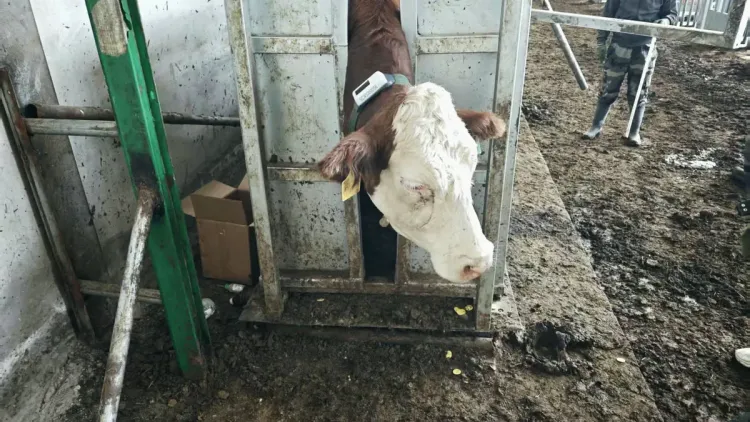
Continuous monitoring with IoT sensor devices fundamentally changes the detection equation. Instead of periodic visual assessment, sensors collect physiological and behavioral data 24 hours a day, capturing the subclinical changes that precede visible symptoms. For a deeper look at how this technology specifically targets BRD, see our article on BRD prevention with predictive monitoring.
The key physiological indicators that sensors detect before clinical signs appear include:
- Temperature elevation — ear-mounted sensors detect fever onset 48–72 hours before visible symptoms, identifying a rising trend above the individual animal's baseline rather than relying on a single rectal temperature reading
- Rumination decline — healthy cattle ruminate 6–10 hours daily; on systems that measure rumination, a 30%+ decline precedes clinical BRD by 24–48 hours and is virtually impossible to detect visually
- Activity pattern changes — reduced movement, fewer lying-to-standing transitions, and decreased social interaction are measurable 12–36 hours before clinical signs
- Feeding behavior shifts — reduced time at the bunk and decreased feed intake occur in the subclinical phase, often before the animal appears obviously ill
Detection Timing: Visual vs. Sensor-Based
| Detection Method | Detection Timing | Sensitivity | Coverage |
|---|---|---|---|
| Pen rider (1x daily) | 2–4 days after infection onset | 62–80% | Once daily, daylight hours only |
| Pen rider (2x daily) | 1.5–3 days after infection onset | 70–85% | Twice daily, requires trained staff |
| Rectal temperature screening | 1–2 days after infection onset | 80–90% | Requires handling; labor-intensive |
| Continuous IoT sensor monitoring | 0–1 day after infection onset | 85–95% | 24/7, every animal, automated alerts |
The practical impact of this detection gap is significant. For a deeper exploration of how early disease detection technology works across all cattle health conditions, including respiratory disease, see our dedicated guide.
Treatment Decision Framework for Cattle Respiratory Disease
Once a case of cattle respiratory disease is identified — whether by pen rider or sensor alert — the treatment decision framework determines clinical and economic outcomes. The goal is to treat the right animal, at the right time, with the right antibiotic, for the right duration.
When to Treat: The Pull Decision
The decision to pull an animal for treatment involves balancing the cost of unnecessary treatment against the cost of delayed treatment. Most feedlot protocols use a combination of clinical scoring (typically the DART system — Depression, Appetite, Respiration, Temperature) and rectal temperature thresholds. An animal with a rectal temperature of 40°C (104°F) or higher combined with at least one clinical sign is typically treated.
Sensor-based monitoring changes this equation by providing continuous health scores that flag animals before they reach the clinical threshold. Instead of pulling animals based on visible symptoms, operations can prioritize animals showing rising health risk scores for closer examination, catching cases earlier when treatment success is highest.
Antibiotic Selection
First-line treatment for bovine respiratory disease typically involves a long-acting macrolide or fluoroquinolone antibiotic. The choice depends on the suspected pathogen, local resistance patterns, withdrawal time requirements, and veterinary guidance. Common first-line options include:
- Tulathromycin (Draxxin) — single-dose macrolide with long tissue half-life; commonly used as first-line treatment in feedlots
- Florfenicol (Nuflor) — effective against many BRD pathogens; available in single-dose and two-dose formulations
- Enrofloxacin (Baytril) — fluoroquinolone with broad-spectrum activity; reserved for cases not responding to macrolides in many protocols
- Ceftiofur (Excede) — extended-release cephalosporin; provides sustained antibiotic levels for 7–10 days
Working with your veterinarian to establish a clear treatment protocol — including first-line, second-line, and third-line options with defined escalation criteria — is essential. The rising concern over antimicrobial resistance makes thoughtful antibiotic stewardship not just good medicine but increasingly a market access issue.
The Metaphylaxis Debate
Metaphylaxis — the mass administration of antibiotics to all cattle in a group at arrival, regardless of individual disease status — remains one of the most debated practices in cattle respiratory disease management. On one hand, research consistently shows that metaphylaxis reduces BRD morbidity by 40–60% in high-risk cattle, and its use is supported by veterinary organizations for documented high-risk populations. On the other hand, treating healthy animals with antibiotics contributes to antimicrobial resistance, increases input costs, and faces growing scrutiny from regulators and consumers.
Continuous monitoring technology offers a middle path: instead of treating all animals at arrival, monitor all animals continuously and treat only those showing early indicators. This targeted approach can reduce total antibiotic use by 40–60% while maintaining — and in some cases improving — health outcomes compared to blanket metaphylaxis, because treatment is directed precisely at the animals that need it during the window when it is most effective.
Managing Treatment Failures and Chronic Cases
Not all cattle respond to first-line treatment. Treatment failure — defined as failure to improve within 72 hours of treatment or relapse after initial improvement — occurs in 15–30% of BRD cases, depending on timing and pathogen involvement. Mycoplasma bovis infections are particularly prone to treatment failure because the organism's lack of a cell wall renders many antibiotics ineffective.
Chronic cases — animals that survive BRD but sustain permanent lung damage — represent a hidden economic drain. These "chronic" or "railer" animals continue to consume feed but gain poorly, convert feed inefficiently, and produce lower-quality carcasses. Operations must develop clear protocols for managing chronic animals, including decision thresholds for culling versus continued feeding.
Economic Impact of Cattle Respiratory Disease
The true cost of cattle respiratory disease extends far beyond the price of a dose of antibiotics. Understanding the full economic picture is critical for justifying investments in prevention, facilities, and technology.
Direct Treatment Costs
The direct cost of treating a single BRD case varies dramatically based on when the animal is identified. Early-detected cases treated within 24 hours of first indicators cost $23–$40 per case, including a single antibiotic dose and labor for pulling and treating. Cases detected at the standard clinical stage cost $50–$80 due to more aggressive antibiotic protocols and longer recovery periods. Late-detected or relapse cases can cost $80–$151 or more per case, often requiring multiple antibiotic courses, extended hospital pen time, and supportive care. Research by Theurer et al. (2015) documented that late-treated BRD cases cost 2.3 times more than early-treated cases.
Performance Losses
Beyond direct treatment costs, BRD survivors suffer measurable performance penalties. Schneider et al. (2009) demonstrated that cattle treated once for BRD had carcass values $40–$60 lower than never-treated animals, while cattle treated multiple times lost $100 or more per head in carcass value. These losses stem from reduced average daily gain (0.1–0.2 kg/day less), lower marbling scores, reduced yield grade, and higher condemnation rates at harvest.
Mortality Costs
Cattle respiratory disease remains the leading cause of feedlot death, with BRD-related mortality rates of 1–5% in typical feedlot populations and as high as 5–15% in high-risk groups. At current cattle prices, each death represents a loss of $1,500–$2,500 or more, depending on the animal's weight and market conditions. For a 5,000-head feedlot with 15% BRD morbidity and 5% case fatality, mortality losses alone can exceed $56,000–$94,000 annually.
Total Economic Burden by Operation Type
For beef operations, the total economic burden of cattle respiratory disease — combining treatment, mortality, and performance losses — ranges from $200,000–$400,000 annually for a mid-size feedlot. Dairy operations face comparable per-animal costs in replacement heifers, where BRD during the rearing phase delays breeding age, increases rearing costs, and increases the risk of culling before the animal ever enters the milking herd. The economic case for investing in prevention, early detection, and rapid treatment is overwhelming at every scale.
How Monitoring Technology Changes Respiratory Disease Outcomes
The sections above establish a clear pattern: earlier detection leads to better treatment outcomes, lower costs, and reduced mortality. The question for modern operations is how to systematically close the detection gap at scale. This is where continuous monitoring technology transforms the management of cattle respiratory disease.
From Reactive to Predictive Management
Traditional respiratory disease management is inherently reactive — an animal gets sick, someone notices, and treatment begins. Sensor-based monitoring shifts the paradigm to predictive management, where algorithmic analysis of continuous physiological data identifies animals trending toward disease before they cross the clinical threshold. This is not about replacing veterinary judgment; it is about giving veterinarians and pen riders better information, earlier.
Quantifiable Outcome Improvements
Operations that deploy continuous monitoring for cattle respiratory disease management report consistent improvements across several key metrics:
- First-treatment success rates increase from 70–80% to 90–95% — because animals are treated in the early, responsive phase of disease rather than after significant lung damage has occurred
- Retreatment rates decrease by 40–60% — earlier intervention means the initial antibiotic course is more likely to resolve the infection completely
- Mortality decreases by 25–50% in monitored populations — fewer animals progress to the severe, often fatal stage of BRD
- Total antibiotic use decreases by 30–50% — targeted treatment replaces blanket metaphylaxis, and fewer retreatments reduce cumulative antibiotic consumption
- Chronic animal rates decrease significantly — because treatment during the early phase prevents the permanent lung damage that creates chronic, poor-performing animals
Integration with Existing Workflows
Effective monitoring technology does not require operations to abandon their existing protocols. The Herdwize sensor platform integrates with existing pen-riding schedules by providing daily prioritized health risk lists. Instead of scanning hundreds of animals for subtle signs, pen riders receive a ranked list of the 5–15 animals most likely to need attention, along with the specific data driving each alert. This makes existing labor more effective rather than replacing it.
For operations evaluating the return on investment for monitoring technology in the context of respiratory disease management, our livestock monitoring ROI analysis provides a detailed financial framework.
Frequently Asked Questions
What is the difference between BRD and cattle pneumonia?
How long does it take for cattle to recover from respiratory disease?
Can cattle respiratory disease spread to an entire herd?
What vaccines are recommended for preventing cattle respiratory disease?
How does IoT sensor monitoring help detect cattle respiratory disease earlier?
Detect Respiratory Disease Before It Spreads
Herdwize sensors detect temperature and activity changes 24–48 hours before clinical signs appear — reducing treatment costs and mortality across your herd.
Learn About Early Detection