Key Takeaways
- Sensor-based cattle behavior monitoring detects health and reproductive events 24-48 hours before visual observation, when behavioral changes are still subtle
- Visual observation catches only 40-55% of estrus events and misses most nighttime activity, while automated behavior detection achieves over 90% accuracy around the clock
- Cattle spend 8-12 hours/day grazing, 6-8 hours ruminating, and 6-10 hours resting — deviations from these patterns are the earliest indicators of illness, stress, or estrus
- Operations using livestock activity tracking report 30-50% reduction in labor dedicated to visual observation while improving detection rates across all behavioral events
- Multi-sensor platforms combining activity data with temperature monitoring deliver 3:1 to 6:1 first-year ROI through earlier treatment, improved reproduction, and reduced mortality
Cattle behavior monitoring is fundamentally changing how producers manage herd health, reproduction, and welfare. For generations, the experienced stockman's eye has been the primary diagnostic tool on cattle operations — walking pens, scanning pastures, and watching for the animals that look "off." Visual observation has served the industry well, but it has inherent limitations that become increasingly costly as herd sizes grow and labor becomes scarcer. A single observer can realistically assess 100-200 animals per session, and even the most skilled eye misses the subtle behavioral shifts that precede clinical illness by hours or days.
Modern cattle activity sensor technology does not replace the producer's judgment. Instead, it extends human observation into the hours when no one is watching, quantifies behavioral patterns that the eye cannot measure, and flags deviations before they become visible symptoms. This article examines how behavior monitoring technology works, what it can detect, and what producers gain by supplementing visual observation with continuous, sensor-based monitoring.
Understanding Normal Cattle Behavior Patterns
Effective cattle behavior monitoring begins with understanding what "normal" looks like. Cattle are creatures of deep routine, and their daily time budgets are remarkably consistent within a given environment. Research from the University of Kentucky and other institutions has documented these patterns extensively across dairy and beef systems.
Grazing and Feeding Behavior
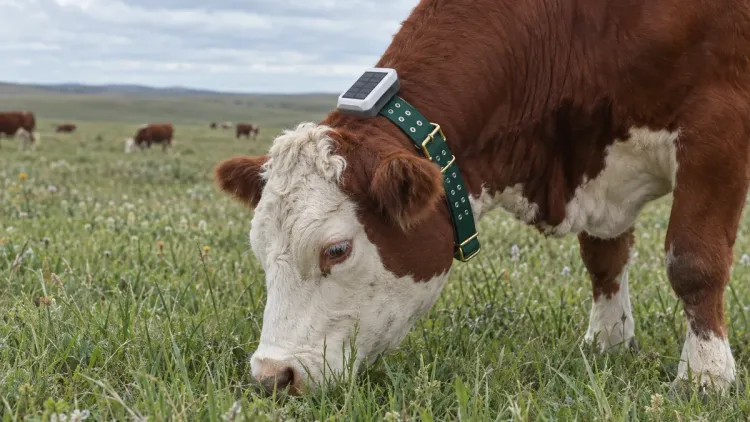
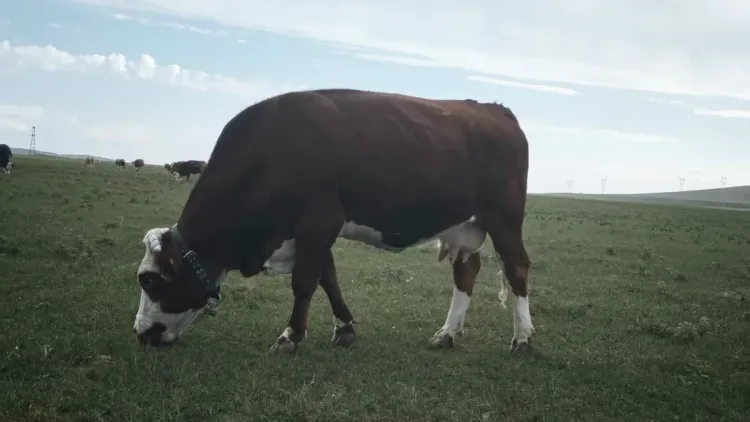
Healthy cattle on pasture spend 8-12 hours per day grazing, typically concentrated in two major bouts — early morning and late afternoon. Feedlot cattle spend less time actively eating (3-5 hours) but visit feed bunks in similarly predictable patterns. The timing, duration, and intensity of feeding are among the first behaviors to change when an animal is becoming ill. A 20-30% reduction in feeding time often precedes any visible clinical signs by 24-48 hours. University of Guelph studies have shown that dry matter intake begins declining 1-3 days before a bovine respiratory disease (BRD) diagnosis in feedlot cattle.
Rumination Patterns
Rumination — the process of regurgitating and re-chewing forage — occupies 6-8 hours of a healthy cow's day, distributed across 10-14 bouts. Rumination time is one of the most sensitive indicators of health status because it reflects both rumen function and overall comfort. A healthy dairy cow ruminates approximately 450-550 minutes per day. A drop below 400 minutes consistently correlates with subclinical acidosis, early-stage respiratory illness, heat stress, or metabolic transition disorders. Rumination changes are particularly valuable because they are difficult for even experienced observers to quantify visually — you cannot reliably estimate whether a cow is ruminating 500 or 380 minutes per day by watching her.
Activity and Movement
Baseline activity levels vary significantly by breed, management system, and season, but individual animals are remarkably consistent day to day. A sudden spike in activity — particularly combined with reduced feeding and rumination — is the hallmark of estrus in cows. Conversely, a significant drop in activity paired with reduced rumination is one of the earliest indicators of illness. University of Florida research documented that cattle with respiratory disease show a 30-45% reduction in daily activity for 2-4 days before clinical signs become apparent to pen riders.
Resting and Lying Behavior
Dairy cows need 10-14 hours of lying time for optimal health and production. Each additional hour of lying time is associated with approximately 1.0-1.7 kg more milk per day. Beef cattle on pasture rest 6-10 hours daily, with resting patterns closely tied to ambient temperature and social hierarchy. Changes in lying bout duration and frequency reveal lameness (shorter, more frequent bouts), calving proximity (restlessness), and heat stress (standing for cooling) — signals that are extremely difficult to detect through periodic visual checks.
How Cattle Behavior Monitoring Technology Works
Modern livestock activity tracking systems rely on a combination of sensor hardware, wireless communication networks, and cloud-based analytics. Understanding each layer helps producers evaluate which systems deliver genuine behavioral intelligence rather than simple movement counts. For a deeper look at the underlying platform, see our technology overview.
Accelerometer-Based Sensing
The core of most cattle activity sensor devices is a three-axis accelerometer — the same type of sensor found in smartphones. Mounted in an ear tag or collar, the accelerometer continuously measures acceleration forces along three perpendicular axes. By analyzing the patterns of these forces over time, algorithms can distinguish between distinct behavioral states: walking produces a rhythmic oscillation pattern, grazing generates characteristic head-down movement signatures, rumination creates a regular jaw-movement pattern, and resting shows minimal, low-frequency movement.
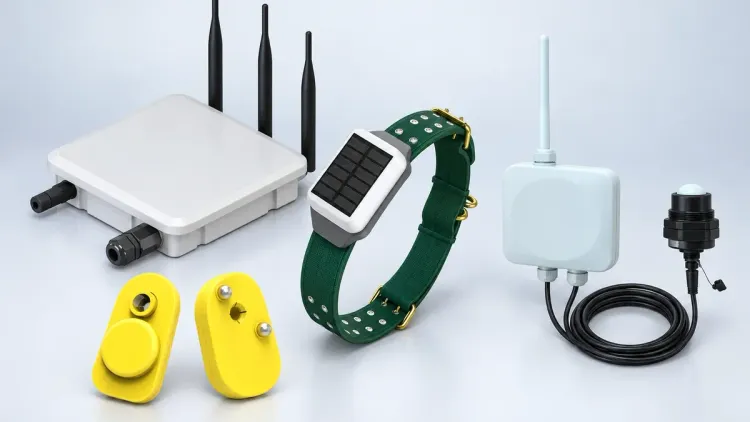
Modern accelerometers sample at rates of 10-50 Hz (10-50 measurements per second), generating enormous volumes of raw data. On-device processing typically compresses this into summary metrics — activity counts, posture classifications, and behavior durations — that are transmitted periodically to a gateway. The Herdwize Smart Eartag takes a simpler, lower-power approach: an integrated pedometer counts steps while a body-temperature sensor tracks fever and calving-related temperature shifts, giving a 2–4 year battery life on a single button cell. Rumination monitoring is on the Herdwize roadmap.
Data Transmission and Network Infrastructure
Raw sensor data must reach processing infrastructure reliably, regardless of whether animals are in a barn, feedlot, or dispersed across thousands of acres of rangeland. LoRa long-range radio has emerged as a leading communication technology for livestock monitoring because it combines long range (several kilometers per gateway; the Herdwize LoRa gateway covers a 5 km radius in open areas), low power consumption (enabling multi-year battery life), and a private farm network that needs no per-device data plan. This is a fundamentally different approach from cellular-based systems that require per-device subscriptions and struggle with coverage gaps on rural operations.
Machine Learning and Behavioral Classification
The true value of cattle behavior monitoring lies not in the raw data but in the algorithms that interpret it. Modern platforms use machine learning models trained on millions of hours of labeled behavioral data to classify activities, establish individual baselines, and detect deviations. The critical distinction is between systems that report raw activity levels (a number that rises or falls) and those that perform genuine behavior classification — identifying that an animal is grazing, ruminating, walking, resting, or exhibiting estrus behavior based on the specific movement signature.
Individual baselining is essential because "normal" varies dramatically between animals. A high-activity cow might naturally walk 5 km per day while a more sedentary herd-mate walks 2 km. A raw activity threshold would either miss illness in the active cow or generate false alerts on the calm one. Intelligent systems learn each animal's individual pattern over 7-14 days and then flag deviations from that animal's own baseline — a far more sensitive and specific approach.
Visual Observation vs. Sensor-Based Behavior Monitoring
Understanding the practical differences between traditional observation and automated behavior detection helps producers evaluate where technology adds the most value. Neither approach is perfect in isolation, but their strengths are complementary.
| Criteria | Visual Observation | Sensor-Based Monitoring |
|---|---|---|
| Coverage hours | 2-4 hours/day during working hours | 24 hours/day, 365 days/year |
| Estrus detection rate | 40-55% (higher with tail paint/patches) | 90-95% with multi-sensor platforms |
| Early illness detection | At clinical symptom onset (visible signs) | 24-48 hours before clinical symptoms |
| Objectivity | Subjective; varies by observer skill | Quantitative; consistent measurement |
| Nighttime monitoring | Not practical without dedicated night staff | Full nighttime coverage included |
| Rumination quantification | Not possible to measure accurately | Measured to the minute per animal per day with rumination sensors |
| Scalability | Limited by staff availability; degrades at scale | Linear cost scaling; accuracy maintained at any herd size |
| Historical records | Depends on note-taking discipline | Automatic, continuous data archive per animal |
| Cost per animal/year | $15-$40 (labor allocation) | $8-$25 (hardware amortized + platform) |
The comparison above is not an argument to abandon visual observation entirely. Experienced stockmanship remains essential for interpreting context — understanding why an animal is behaving differently and deciding on the appropriate response. Behavior monitoring technology excels at the detection stage, ensuring that no behavioral change goes unnoticed regardless of when it occurs or how many animals are in the herd.
Key Behaviors That Technology Can Track
Modern cattle activity sensor platforms classify and monitor several distinct behavioral categories, each providing different management insights. Here is what automated behavior detection can reliably measure and what those measurements mean for producers.
Eating and Feeding Behavior
Accelerometer-based systems detect feeding behavior through characteristic head-down postures and jaw movement patterns. In dairy systems, sensors track time at the feed bunk, feeding bout frequency, and total daily feeding time. A 15-25% drop in feeding time is one of the earliest behavioral changes associated with illness, acidosis, or environmental stress. Feeding pattern analysis also reveals competition dynamics — cows that are consistently displaced from the feed bunk are at higher risk for metabolic problems and reduced production. For more on the connection between feeding behavior and efficiency, see our guide to feed efficiency monitoring.
Rumination Monitoring
Rumination is arguably the single most informative behavioral metric in cattle monitoring. Jaw movement during rumination produces a distinct accelerometer signature that modern algorithms classify with over 95% accuracy. Daily rumination time provides a continuous window into rumen health, dietary adequacy, and overall well-being. The practical value is enormous: a dairy cow that drops from 520 to 380 minutes of rumination in a 24-hour period is almost certainly experiencing a health event — even if she looks perfectly normal during the morning pen walk. This type of quantitative change is invisible to visual observation but immediately flagged by automated behavior detection systems.
Activity Level and Movement Patterns
Total daily activity, measured in activity units or step counts, provides a straightforward indicator of animal energy expenditure and engagement. Activity monitoring is the foundation of most estrus detection systems because standing heat in cattle produces a dramatic, measurable increase in walking, mounting, and restlessness — typically a 200-400% increase over baseline activity. Beyond reproduction, activity patterns reveal lameness (gradual activity decline with changes in gait symmetry), social stress (abnormal movement patterns), and environmental discomfort (increased standing time during heat stress periods).
Resting and Lying Behavior
Posture classification — determining whether an animal is standing or lying — is one of the most reliable accelerometer-based measurements. Lying bout duration, frequency, and total daily lying time are powerful indicators of comfort, health, and approaching parturition. Research from the University of British Columbia has shown that cows increase lying bout transitions (standing up and lying down more frequently with shorter bouts) in the 24-48 hours before calving. Lameness causes the opposite pattern — longer lying bouts as cows avoid the discomfort of standing and walking. These posture dynamics are essentially invisible during a twice-daily visual check but are continuously quantified by behavior monitoring technology.
Estrus and Reproductive Behavior
Standing heat in cattle produces a behavioral signature that is ideally suited to sensor-based detection: increased activity (200-400% above baseline), decreased rumination (20-40% below baseline), increased restlessness with frequent posture changes, and mounting or being mounted by herd-mates. Multi-sensor platforms that combine activity, rumination, and temperature data achieve estrus detection rates above 90%, compared to 40-55% for visual observation alone. Critically, 60-70% of estrus activity occurs during nighttime hours when no observers are present. For a detailed analysis of automated heat detection economics, see our early disease detection guide and our article on herd activity monitoring solutions.
Real-World Impact: What Producers Gain
The practical benefits of cattle behavior monitoring extend across health management, reproduction, labor efficiency, and long-term herd performance. Here is what the data shows from commercial deployments and research trials.
Earlier Disease Detection Saves 24-48 Hours
The single most impactful benefit of continuous behavior monitoring is the detection time advantage. Behavioral changes — reduced feeding, decreased rumination, lower activity, and altered resting patterns — precede visible clinical symptoms by 24-48 hours in most cattle diseases. In feedlot environments, Colorado State University research has demonstrated that automated detection of BRD through behavioral changes achieves this early-warning window consistently, with sensitivity rates of 75-85% and specificity above 90%. For individual high-value animals, this detection advantage can mean the difference between a $25 treatment and a $500+ loss.
Heat Detection Accuracy Above 90%
Reproductive efficiency is the largest single economic driver on most cow-calf and dairy operations. Every missed estrus event costs approximately $3-$5 per day in extended calving intervals on dairy operations and can delay breeding by an entire cycle (21 days) on beef operations. Visual observation in commercial herds typically detects 40-55% of heats, meaning nearly half of all breeding opportunities are missed. Multi-sensor behavior monitoring platforms consistently achieve detection rates above 90% because they monitor the full 24-hour behavioral profile, including the 60-70% of estrus activity that occurs at night. On a 200-cow dairy operation with a baseline 50% visual detection rate, improving to 92% sensor-based detection can recover $15,000-$25,000 annually in reduced days open alone.
Labor Reallocation and Efficiency
Behavior monitoring technology does not eliminate labor — it reallocates it from observation to action. Operations deploying comprehensive livestock activity tracking systems report that staff time dedicated to pen riding, heat checking, and general observation drops by 30-50%. This labor is not eliminated but redirected toward higher-value activities: treating animals that the system has flagged, managing breeding protocols based on precise timing alerts, and making management decisions informed by objective behavioral data rather than subjective impressions. On operations where labor is the primary constraint on herd size, this reallocation can enable growth without proportional increases in staffing.
Reduced Treatment Costs and Mortality
Earlier treatment initiation directly reduces per-case treatment costs. Animals treated in the early stages of respiratory disease typically require a single course of first-line antibiotics ($15-$30), while those treated at advanced clinical stages often need multiple drug protocols, supportive care, and extended recovery periods ($50-$150+). Research from Kansas State University has documented that early intervention in feedlot BRD cases reduces case fatality rates by 40-60% and first-treatment success rates improve from approximately 55% to over 80%. Across a 1,000-head feedlot with a 15-20% BRD morbidity rate, these improvements translate to substantial economic gains.
Implementation Guide: Getting Started with Behavior Monitoring
Transitioning from visual observation to sensor-based cattle behavior monitoring requires planning, but the implementation process is more straightforward than many producers expect. Here is a practical guide to deployment. For broader context on precision livestock farming, see our precision livestock farming guide.
Step 1: Define Your Priority Behaviors
Not every operation needs to monitor every behavior from day one. Dairy operations typically prioritize estrus detection and health monitoring for fresh cows and transition animals. Beef feedlots prioritize illness detection, particularly BRD in newly received cattle. Cow-calf operations often focus on calving prediction and breeding season heat detection. Start with the behavior that represents your largest economic loss or management gap, and expand from there.
Step 2: Choose the Right Sensor Platform
Sensor selection involves trade-offs between data richness, battery life, cost, and form factor. Ear tag sensors are lightweight (the Herdwize Smart Eartag weighs just 9–12.5g), long-lasting (2–4 year battery), and suitable for all production systems including extensive grazing. Collar-based sensors can accommodate larger batteries and additional sensors (including GPS) but may not be practical for all environments. The critical evaluation criteria are: which specific signals does the sensor capture (activity, temperature, rumination, location), what is the validated accuracy of the alerts built on them, and how does the device perform in your operating environment.
Step 3: Plan Your Network Infrastructure
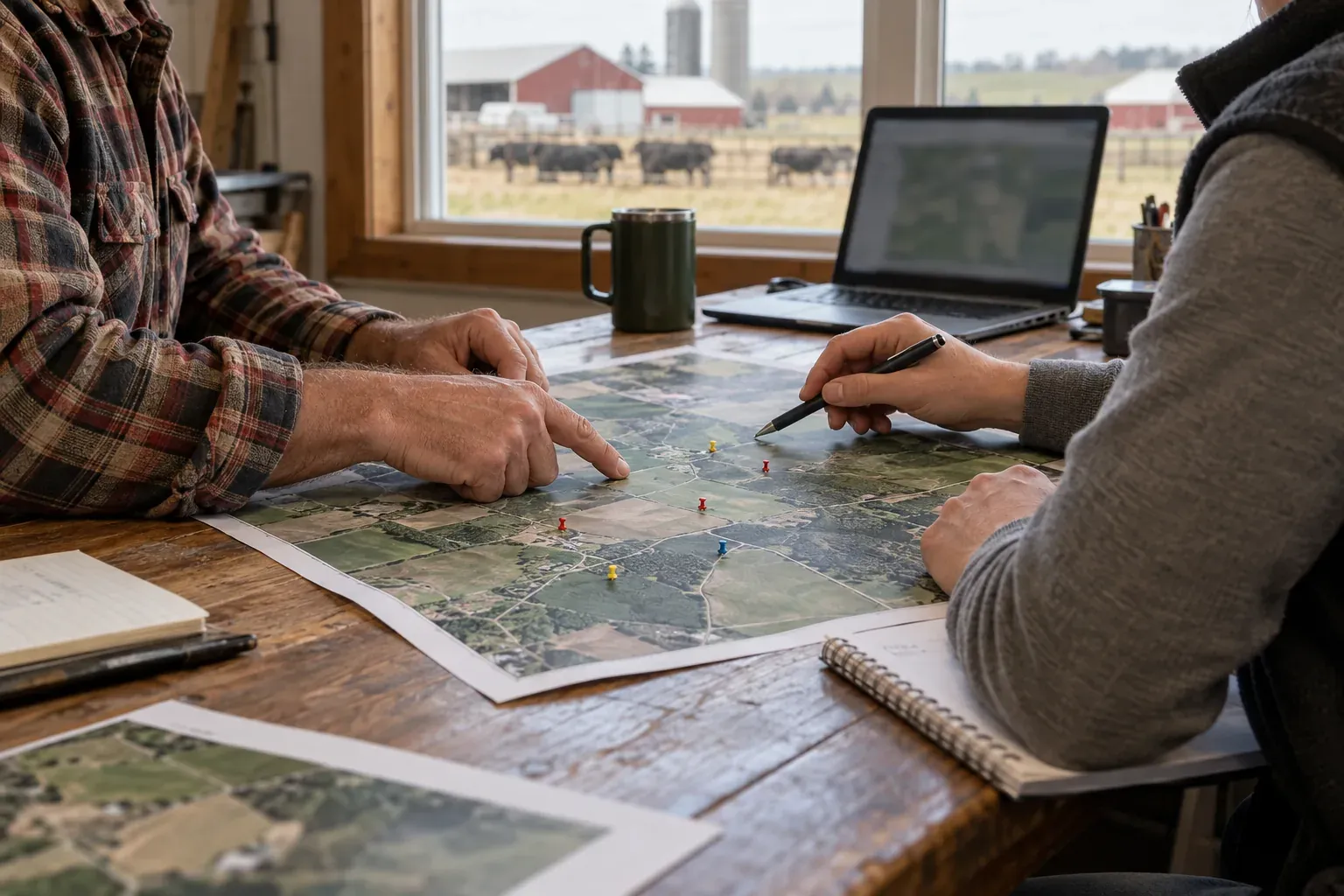
Wireless connectivity is the backbone of any behavior monitoring system. LoRa-based systems require gateway placement planning to ensure coverage across all areas where animals spend time. Each Herdwize LoRa gateway covers a 5 km radius in open areas, with reduced range where hills, tree lines, or buildings block the signal. A 1,000-acre operation usually needs 1-2 gateways, while larger or hilly operations add gateways on high ground as needed. Each gateway site needs a standard DC power supply (the gateway draws under 4 W) and a wired Ethernet internet connection for data upload.
Step 4: Deploy in Phases
Start with your highest-value or highest-risk group rather than the entire herd. In a dairy, this might be the fresh cow and transition group. In a feedlot, newly arrived cattle. In a cow-calf operation, the first-calf heifers approaching calving. Deploy sensors during routine handling events — vaccination days, processing, or routine chute work — to minimize additional animal handling. The system needs 7-14 days to build individual behavioral baselines before alerts reach full accuracy.
Step 5: Integrate Alerts into Daily Workflow
Technology generates alerts, but people take action. Define clear protocols for each alert type: who receives the alert, what action they take, and how they record the outcome. Start with broader alert thresholds during the first 30-60 days and tighten them as your team develops confidence in the system. Track response rates and outcomes to continuously improve your protocols. The operations that realize the greatest ROI from behavior monitoring are those that build structured response workflows around the technology.
Understanding the Investment
Behavior monitoring systems typically cost $8-$25 per animal per year when hardware is amortized over its lifespan and platform fees are included. For a 500-head dairy operation, the annual investment ranges from $4,000 to $12,500. Against this, the expected returns from improved heat detection alone ($15,000-$25,000 on a 500-cow dairy) typically justify the investment before accounting for health detection benefits, labor reallocation, and reduced mortality. The payback period for most operations is 8-18 months. For a detailed financial analysis, visit our ROI calculator.
Frequently Asked Questions
How accurate is sensor-based cattle behavior monitoring compared to visual observation?
What types of cattle activity sensors are used for behavior monitoring?
How long does it take to set up a cattle behavior monitoring system?
Can cattle behavior monitoring technology work on large rangeland operations without cellular coverage?
What ROI can I expect from investing in cattle behavior monitoring technology?
Ready to Monitor Your Herd's Behavior 24/7?
Discover how Herdwize sensors detect behavioral changes before they become costly problems.
Schedule a Demo